
Currently, there are over 10,000 known types of mushrooms. That may seem like a large number, but mycologists suspect that this is only a fraction of what’s out there! We can put these various species in one of 4 categories: saprotrophic, mycorrhizal, parasitic, and endophytic. These categories describe how the organism feeds itself.
(Note: If you’re more interested in how YOU feed yourself, check out the edible mushrooms page).
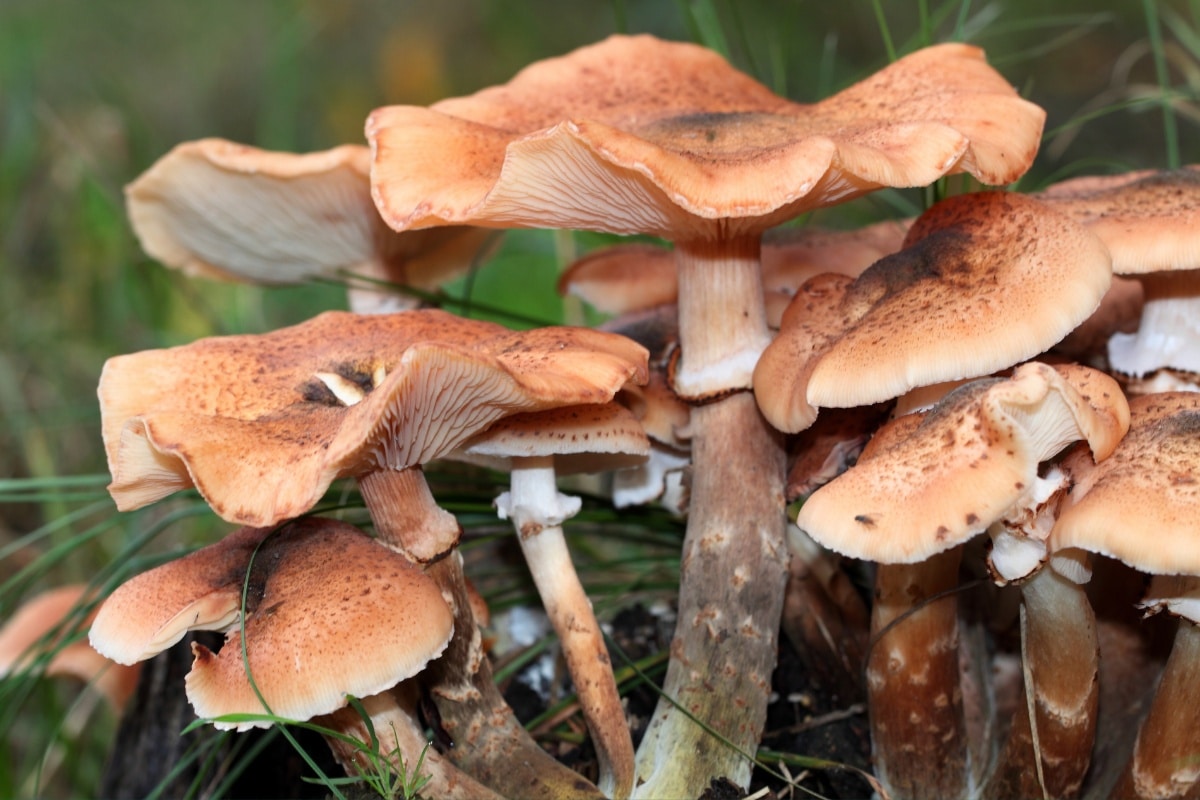
Jump to:
Saprotrophs – Thriving on Decay
Saprotrophic mushrooms are decomposers. They release acids and enzymes that break down dead tissue into smaller molecules they can absorb. Thus decaying wood, plants, and even animals can become food for a saprotroph.
Think of all the dead matter on the ground. Now imagine what would become of it if there were fewer organisms to recycle it into compost or soil. You can easily see how important saprotrophs are to the food chain! It’s no wonder this category includes so many gourmet and medicinal types of mushrooms. Some examples are below:
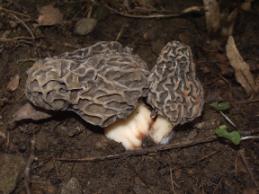 Morels (Morchella angusticeps, Morchella esculenta, etc) – These elusive, delicious species are very popular with mushroom hunters (see picture at right). Known to be mycorrhizal as well.
Reishi (Ganoderma lucidum) – Highly prized in Chinese medicine, this mushroom is now the subject of many medical studies.
Shiitake (Lentinula edodes) – Famous for both its great taste and medicinal properties.
White Button (Agaricus bisporus) – Common in supermarkets all over the world. The average mushroom-loving American eats about 2 lbs of these a year!
Cremini (Agaricus bisporus) – Another Agaricus bisporus strain that’s a great edible. Come learn the real difference between a cremini and a portobello.
Oyster (Pleurotus ostreatus) – Another popular edible, also known for its cholesterol-reducing effects.
Maitake (Grifola frondosa) – Edible, known anti-tumor properties, and it looks like a brain!
Turkey Tail (Trametes versicolor) – Although too tough to be edible in any manner other than a tea, this is one of the most well-studied medicinal mushrooms.
Giant Puffball (Calvatia gigantea) – These large mushrooms are only edible when young.
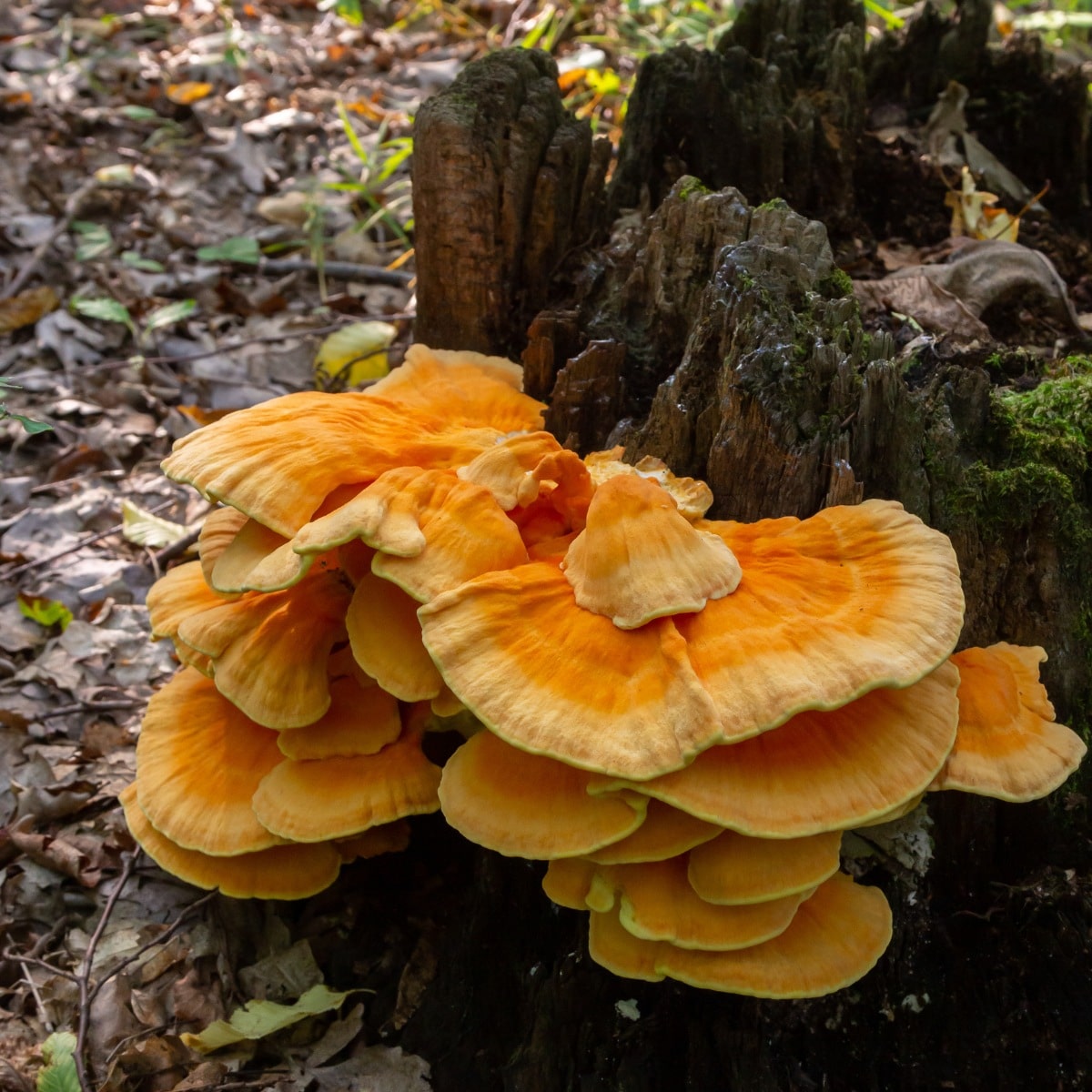
Chicken of the Woods (Laetiporus sulphureus) – Younger specimens are known to taste similar to, you guessed it, chicken. Also known to be parasitic.
Enokitake (Flammulina velutipes) – Easy to cultivate and often used in soups.
Shaggy Mane (Coprinus comatus) – This unique-looking mushroom melts mere hours after being picked.
Black Trumpet (Craterellus cornucopioides) – The best tasting edible mushroom out there!
Yellow Houseplant Mushroom (Leucocoprinus birnbaumii) – Famous for popping up in potted houseplants.
Mycorrhizae – Successful Partnering with Plants
Mycorrhizal mushrooms have a fascinating relationship with trees and other plants. The mycelia of these types of mushrooms enter into a beneficial union with the roots of plants by either weaving into the root cells (endomycorrhizal) or wrapping around the roots themselves (ectomycorrhizal).
How is this beneficial? The mycelia bring in additional moisture, phosphorous, and other nutrients to their hosts. In return, they gain access to sugars (such as glucose) that the hosts produce. This allows plants to grow bigger, faster, and stronger than their nonmycorrhizal counterparts. Many farmers and gardeners will inoculate their crops with a mycorrhizal fungus for better growth.
An estimated 95% of plants form mycorrhizal partnerships with fungi. The types of mushrooms these fungi produce are difficult to cultivate and are often found only in nature. The ones below make a delicious treat if you can find them:
- Porcini (Boletus edulis) – Often used in soups and sauces, this mushroom can grow quite large.
- Truffles (Tuber melanosporum, Tuber magnatum, etc) – These gourmet delights are very expensive.
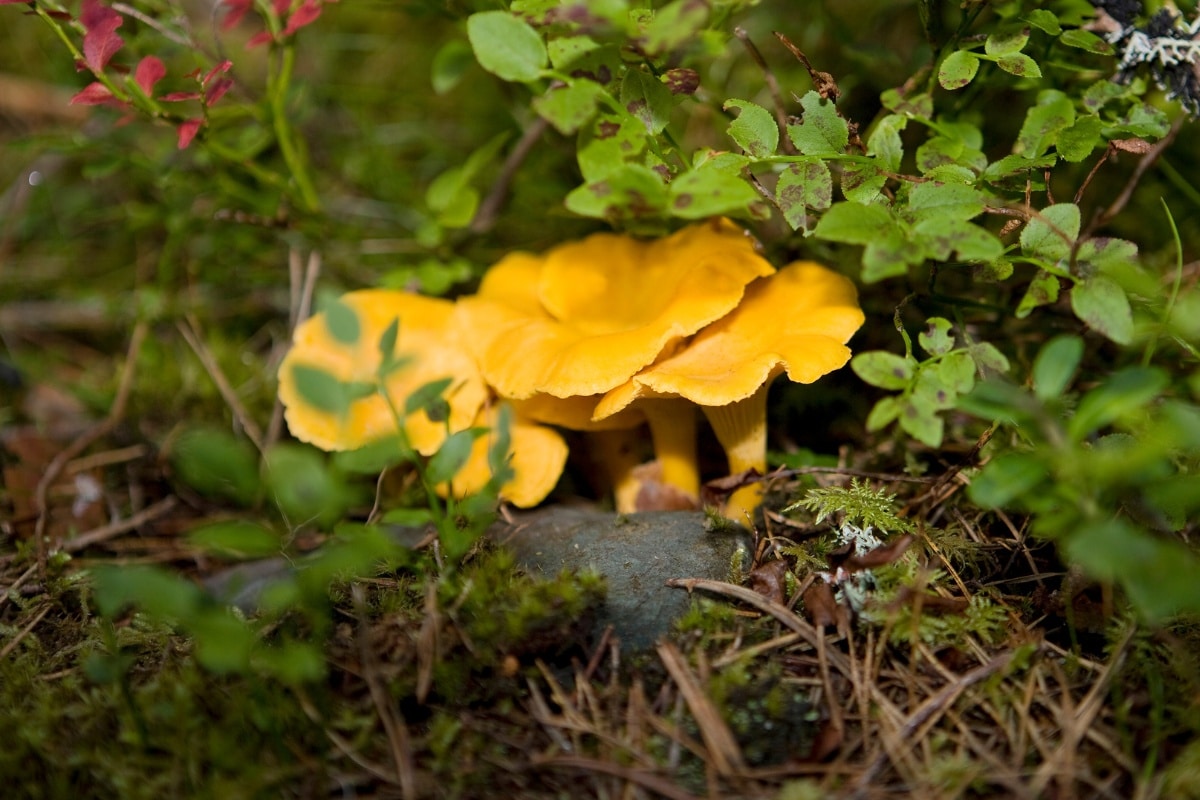
- Chanterelles (Cantharellus cibarius, Cantharellus formosus, etc) – Another prized edible found on many continents (see picture above).
- Matsutake (Tricholoma matsutake) – Highly sought after for their flavor and aroma in cooking.
- Caesar’s Mushroom (Amanita caesarea) – One of the few edible Amanitas. This stately mushroom is popular in Italy.
Parasites – Feeding on the Weak
Parasitic types of mushrooms also take plant hosts. Although in this case, the relationship is one-sided. These fungi will infect the host and eventually kill it.
Sometimes the line between parasitic and saprotrophic is not so clear. The honey mushroom is a known parasite yet it will also continue to live saprotrophically on the dead wood of its host. Most true parasitic fungi do not produce mushrooms and are too small to be noticed on a tree until it’s too late. Some notable types of mushrooms that are parasitic include:
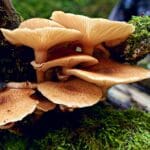
 Honey Fungus (Armillaria mellea, Armillaria ostoyae, etc) – Some species in the Armillaria genus (see pic at right) are edible, some are bioluminescent, and one colony is suspected to be the largest organism on the planet!
- Caterpillar Fungus (Cordyceps sinensis) – A true parasite that preys on insects. This interesting mushroom may just be my favorite.
- Lion’s Mane (Hericium erinaceus) – This strange specimen possesses spiny teeth instead of the traditional cap. In addition to being edible, it’s also suspected to help heal nerve tissue!
- Chaga (Inonotus obliquus) – While it looks like an unassuming black mass on the side of a birch tree, this fungus has gained a huge reputation as a medicinal mushroom over the past few decades.
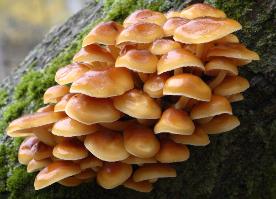 Honey Fungus (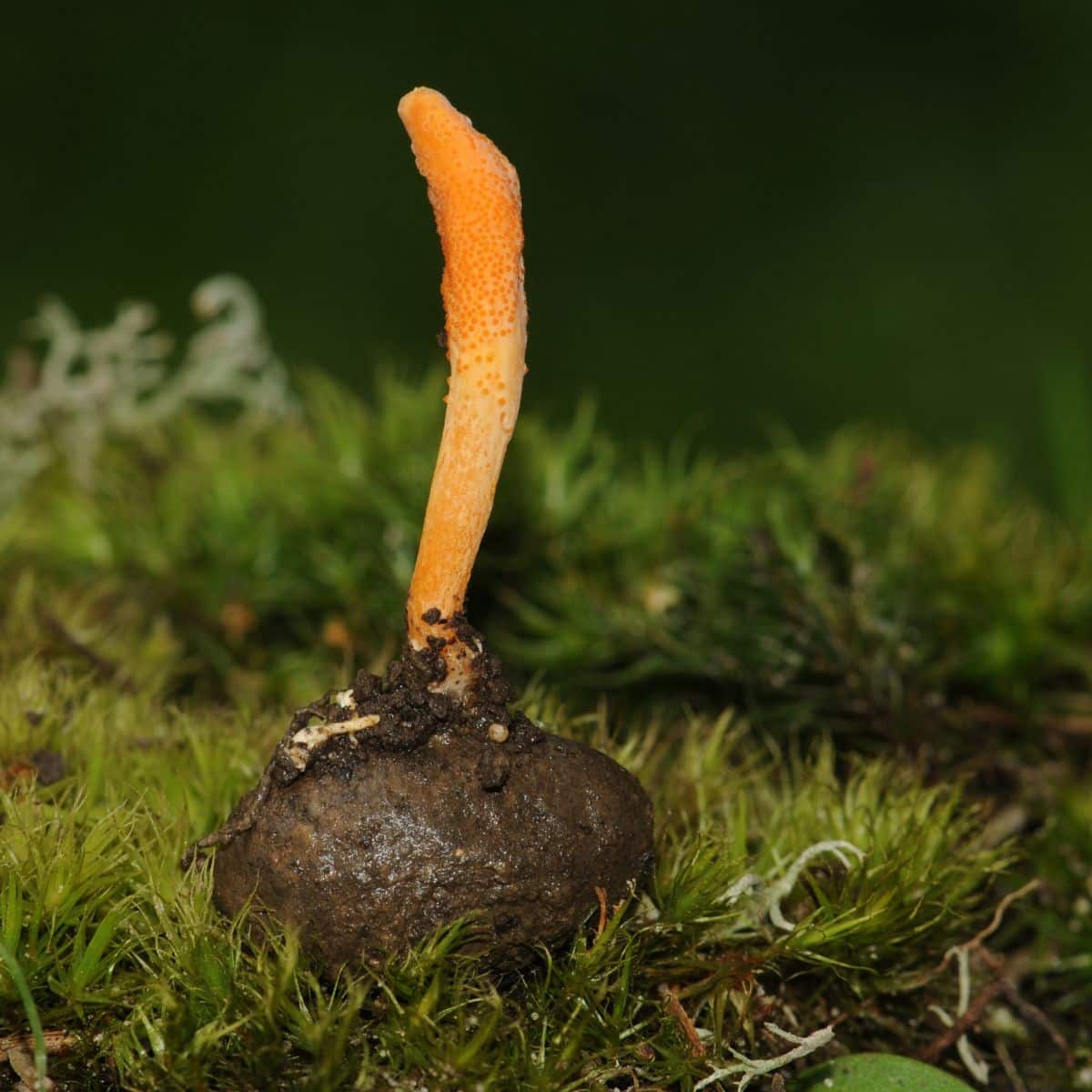
Endophytes – Unique Types of Mushrooms, Mysterious Symbiosis
Endophytic fungi deserve their own category due to their behavior. Endophytes partner with plants by invading the host tissue. However, unlike parasitic fungi, the host remains healthy and seems to benefit from increased nutrient absorption and resistance to pathogens. Unlike mycorrhizal fungi, most endophytes can be easily cultivated in a lab without their host present.
Successful cultivation aside, much is still unknown about this category of fungi. Many species do not produce mushrooms and their partnership with plants is not fully understood. Some mycologists suspect that certain parasitic and saprophytic fungi will reveal themselves as endophytes as the field expands. Time will tell what discoveries will emerge as this group is studied further.
For a more in depth look at these types of mushrooms I suggest visiting this page from the University of Sydney.
jimfirjf says
VERY COOL
Jenny says
Thanks!
raine says
thank you for the coolest read I’ve had in a while