
Fungi have been studied for medicinal properties for over a century, with some very important finds that have literally changed history. The best-known is penicillin, which arguably changed the course of WWII. Some fungi are used in medicine for organ transplants, as statins for high cholesterol, and to treat multiple sclerosis. In many cases, these were accidental discoveries, with unanticipated results.
Since the first unexpected medicinal findings, fungi have been studied across the world for their potential in curing or fighting infections, high cholesterol, cancer, and immune system and brain diseases. Some of the drugs derived from fungi treat multiple sclerosis, migraines, and Parkinson’s disease. In Japan, an extract from turkey tail is an approved adjunct cancer treatment, and researchers have tested psilocybin for depression, alcohol use disorder, and smoking addiction.
An important note: Most of these medicines were made by extracting one chemical from a fungus and purifying it. Some of those chemicals were then changed in a lab. They don’t come from eating the fungus itself.
Jump to:
- Penicillin Antibiotics
- Cephalosporin Antibiotics
- Griseofulvin the Antifungal
- Cyclosporine the Immunosuppressant
- Mevastatin, Lovastatin, and Cholesterol
- Mycophenolic Acid the Immunosuppressant
- Fingolimod to treat Multiple Sclerosis
- Ergot, Childbirth, and LSD
- Echinocandins and Fungal Infections
- Psilocybin and Depression
- Fungi With Potential
Penicillin Antibiotics
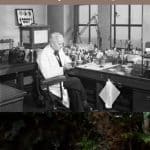
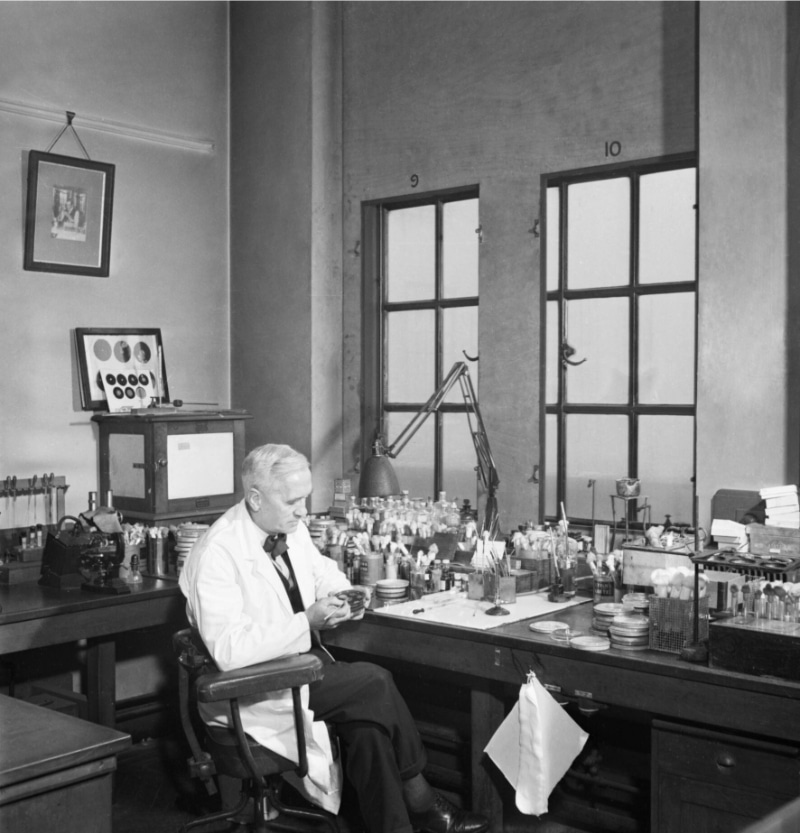
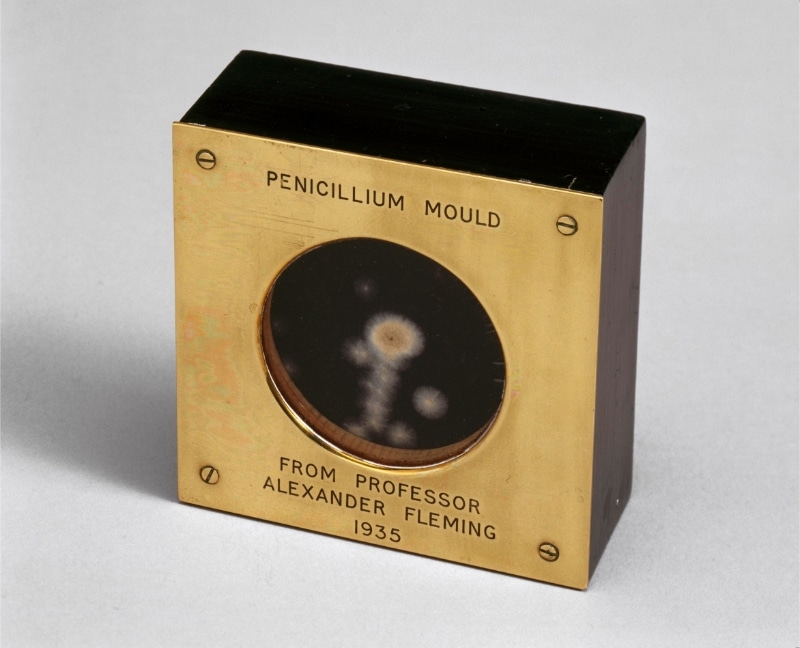
One of the most well-known near misses in fungi medicine began in the summer of 1928. Alexander Fleming, a Scottish physician, left Staphylococcus culture plates on his bench and went on holiday. When he returned, one plate had been contaminated by a blue-green mold. And around the mold, the bacteria were dead. Fleming identified the mold as a Penicillium and named the antibiotic penicillin.
Fleming was a bacteriologist, though, and not a chemist. He and his colleagues could not isolate the pure compound, although he continued trying. Finding a mold that killed bacteria in a dish was one thing, but turning it into a measurable, injectable medicine was another.
Then, in 1939, Ernst Chain brought Fleming’s largely forgotten research to Howard Florey’s attention, and Florey assembled a team to finish the job. They solved the extraction problem by developing a process to pull penicillin out of the liquid the mold grew in, and on May 25, 1940, the team put the compound to its first test. They injected eight mice with a lethal dose of Streptococcus. The four given penicillin survived, while the four untreated mice died.
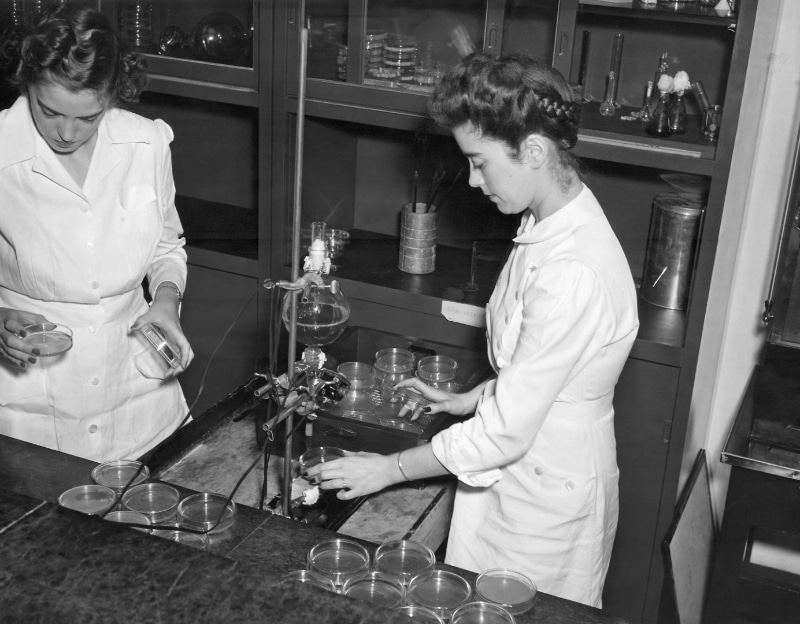
In 1941, Florey and Heatley took their work to the United States, to the USDA’s Northern Regional Research Laboratory in Peoria, Illinois. There, lab assistant Mary Hunt found a moldy cantaloupe from a Peoria market that yielded a strain of Penicillium chrysogenum that produced far more penicillin than Fleming’s original strain.
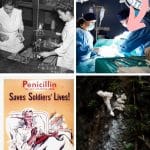
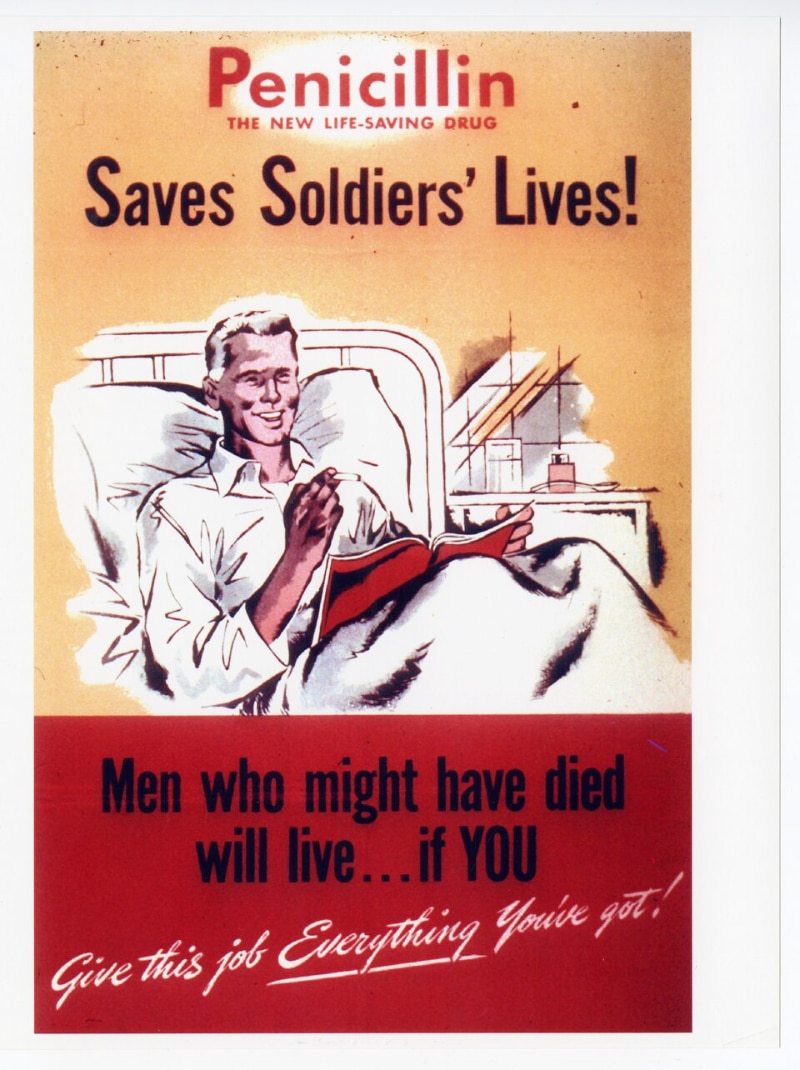
They were able to scale that strain to factory production, and by D-Day in June 1944, the Allies had 2.3 million doses of penicillin, enough to save thousands of soldiers from infected wounds. Penicillin became the first natural antibiotic to be used widely, and Fleming, Florey, and Chain won the 1945 Nobel Prize.
Over time, bacteria have found ways to fight back against penicillin. To counter this, scientists modified parts of the penicillin molecule in the lab. One of the new drugs is methicillin. Ampicillin and amoxicillin are also derived from penicillin.
One of the original forms, penicillin G, is still widely used to treat syphilis, and penicillin V is prescribed for strep throat. However, they can’t cure as many infections as they did in the 1950s, because so many bacteria now resist them. About 0.01% to 0.05% of patients have anaphylaxis after taking penicillin, and this can be deadly.
Cephalosporin Antibiotics
The Italian physician Giuseppe Brotzu noticed something odd about his city’s port. The sewage of Cagliari went straight into the sea, and many people swam there daily, yet no one got sick from it. Brotzu suspected something in that water was killing bacteria, so he went looking for it.
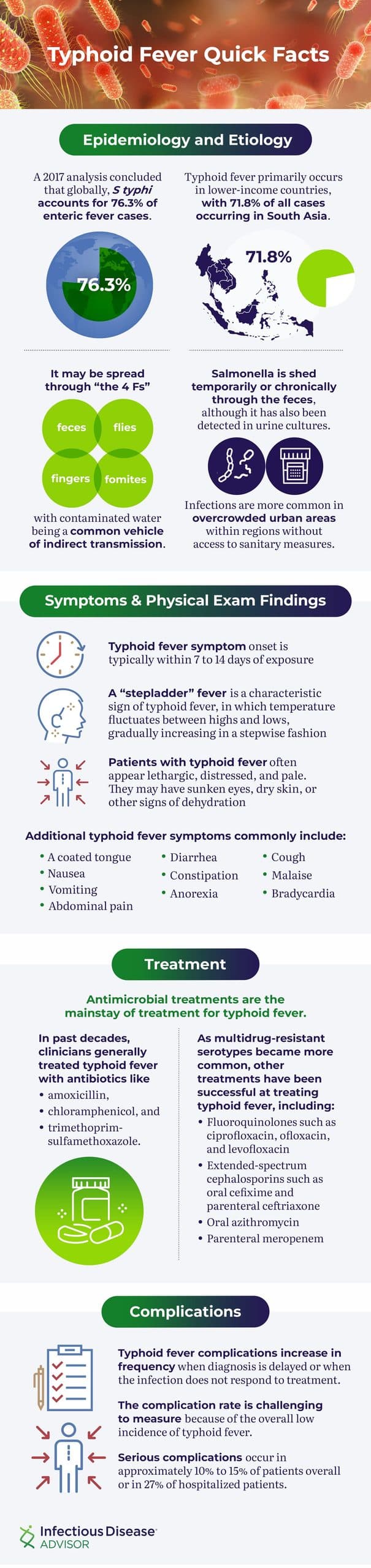
For years, he collected water samples from the polluted shore at Su Siccu and tested the fungi in them against disease-causing bacteria. On July 20, 1945, he and his collaborator Antonio Spanedda isolated a mold colony that inhibited Salmonella typhi (typhoid fever) and other pathogens. Brotzu prepared a crude extract, called it mycetin, and then he tested it on himself and found it didn’t harm him.
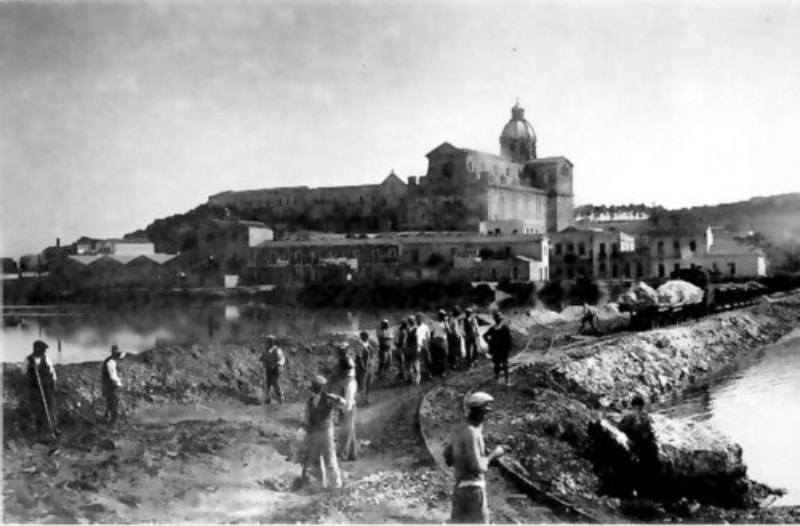
The research then came to a halt for financial reasons. The Italian government would not fund the work, so Brotzu sent a culture of the fungus to Howard Florey at Oxford, the same man who had worked on penicillin. Florey passed it to Edward Abraham, who between 1951 and 1955 purified three antibiotic compounds from the mold. The most important, cephalosporin C, became the source of an entire family of antibiotics.
This family of cephalosporin drugs is still in use today, and they can kill more kinds of bacteria than penicillin can. The drugs are sorted into five groups called generations. The first generation includes cephalexin and cefazolin, which are used to treat skin infections, UTI’s, and as prophylactics. The third generation contains ceftriaxone and cefotaxime, and these are used to treat meningitis, gonorrhea, and other serious infections. The fifth generation includes ceftaroline, which is used to treat infections caused by MRSA, a type of staph bacteria that many other antibiotics can’t kill.
The first cephalosporin went on sale in 1964, and these drugs are still widely prescribed around the world. For years, doctors warned that people with a penicillin allergy would also react to cephalosporins, and this was true with some of the first-generation drugs. However, the risk nowadays is only about 1%.

Griseofulvin the Antifungal
In 1939, three researchers named Oxford, Raistrick, and Simonart found a new chemical in a soil mold called Penicillium griseofulvum. They named it griseofulvin. In 1946, a different team (Brian, Curtis, and Hemming) found a chemical in another mold, Penicillium janczewskii. Soon after, scientists learned the two chemicals were the same. It had been found twice, in two different molds.
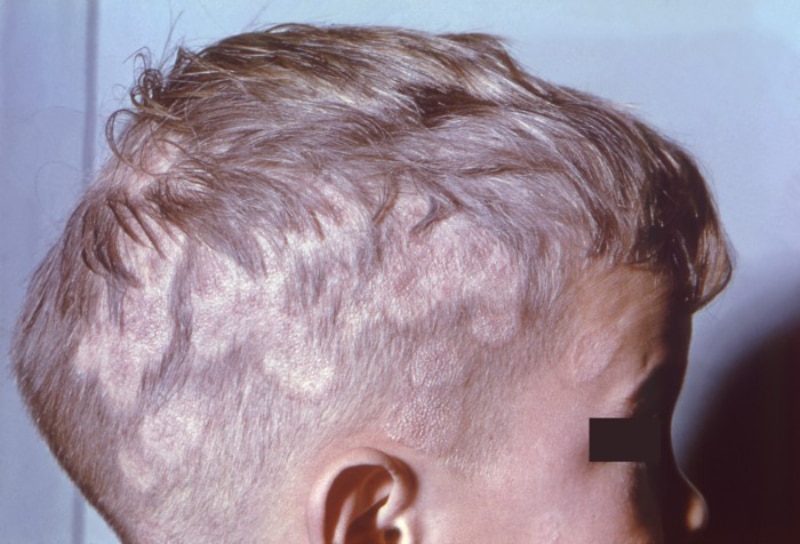
Griseofulvin was first developed as an agricultural fungicide, but it proved difficult to formulate and was never widely used on crops. In 1958, it was developed to treat ringworm in people. In most cases, doctors now use newer drugs like terbinafine and itraconazole instead. But griseofulvin still works better than terbinafine for scalp ringworm caused by the fungus Microsporum. It is still on the World Health Organization’s list of essential medicines.
Cyclosporine the Immunosuppressant
In 1957, a Swiss drug company called Sandoz started looking for new antibiotics made by fungi. To gather samples, workers who were on business trips or vacations took plastic bags with them and scooped up soil wherever they went. They brought the bags back to the company for scientists to test them.
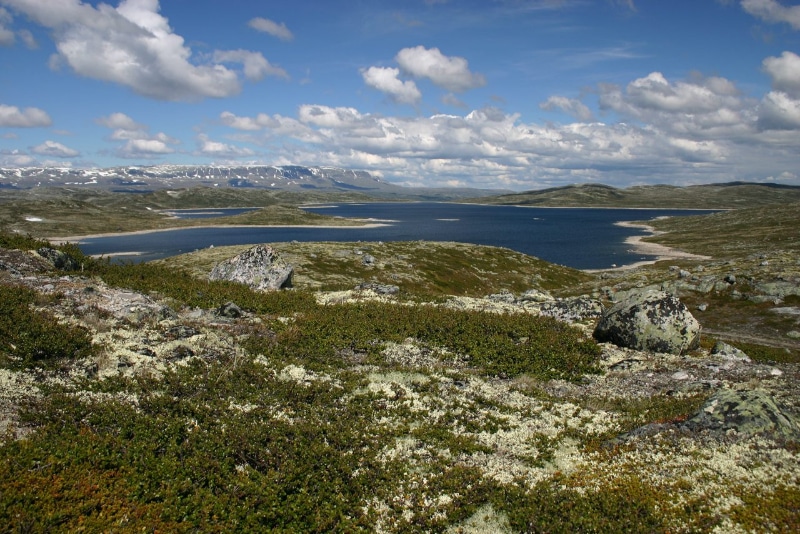
In 1969, a biologist named Hans Peter Frey went on vacation in Norway. He traveled across the Hardangervidda plateau and filled one of those bags with soil. In March 1970, Sandoz scientists found an unknown fungus in that soil. They also found the same fungus in another soil sample from Wisconsin. In 1971, Austrian fungus expert Walter Gams gave it the scientific name Tolypocladium inflatum.
This fungus made chemicals that could kill other types of fungi. Sandoz scientists extracted two of these chemicals and named them cyclosporine A and cyclosporine C. They only worked against a few kinds of fungi, so they weren’t useful as medicine, and the project almost ended there.
After that, someone at Sandoz noticed that cyclosporine could calm down the immune system. It did this by stopping T-cells from attacking (T-cells are normal, healthy white blood cells that fight germs). T-cells also attack anything the body sees as foreign, like a donor heart or kidney. Other drugs were already being used for organ transplants, but they also weakened the immune system. One of them, azathioprine, damages bone marrow, which is where the body makes blood cells. Cyclosporine, though, suppressed T-cells without harming the bone marrow.
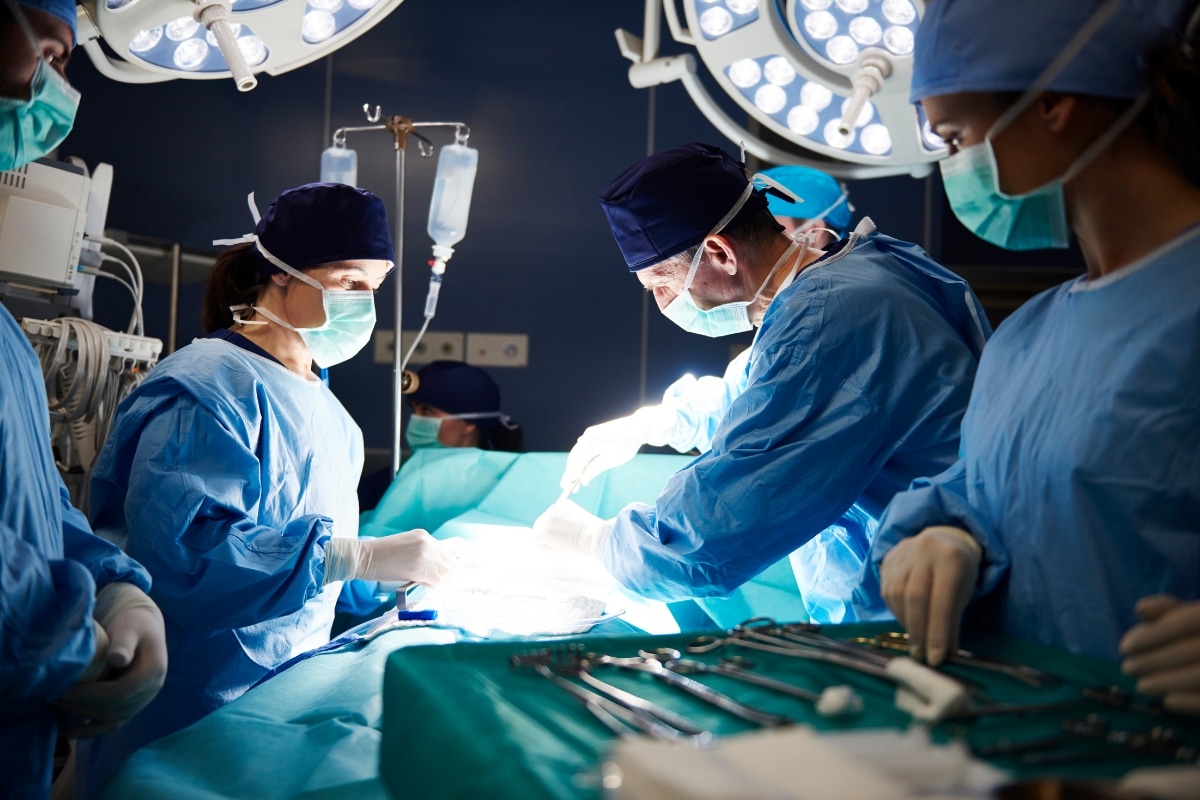
The drug was approved in 1983, and it changed organ transplants very quickly. Before cyclosporine, only about half of transplanted kidneys were still working after one year. With the new drug, that number rose to over 70%. Up until that time, heart, liver, and lung transplants were considered experimental. With cyclosporine, they became regular operations.
Cyclosporine is also used for autoimmune diseases. These include rheumatoid arthritis, psoriasis, eczema, nephrotic syndrome, and dry eye disease. It is still on the WHO list of essential medicines. It is now usually given along with newer drugs instead of by itself.
The drug, though, also has serious side effects. It can damage the kidneys, raise blood pressure, and damage the nerves. It also raises the risk of skin cancer and lymphoma. The International Agency for Research on Cancer lists it as a Group 1 carcinogen, which means there is strong evidence that it causes cancer in people.
In 1996, Kathie Hodge, a fungus expert at Cornell University, and her team researched this fungus further and found that there are two forms of it. One form reproduces by mating, and the other reproduces without mating. Her team found that Tolypocladium inflatum reproduces without mating. The mating form is a rare fungus called Cordyceps subsessilis, which attacks scarab beetle grubs.
Mevastatin, Lovastatin, and Cholesterol
In the 1970s, Akira Endo, a Japanese biochemist at the Sankyo Company in Tokyo, wanted a drug that could lower cholesterol, and he purposely started looking to fungi for an answer. Endo and his team screened more than 3,000 microbial strains, and in 1972 they found a winner. The blue-green mold Penicillium citrinum made a compound that inhibited the enzyme that controls cholesterol production. In 1976, Endo published the compound, later named compactin, and also later called mevastatin.
At roughly the same time, Merck Research Laboratories discovered a close relative, lovastatin, in the soil mold Aspergillus terreus. Merck patented it in 1979, and in 1987 the FDA approved it as Mevacor.
Statins lower the risk of heart attack and stroke and are among the most prescribed drugs ever. Lovastatin accounted for more than 4 million US prescriptions in 2023. Endo received the Lasker-DeBakey Clinical Medical Research Award in 2008 for his findings.
Lovastatin also occurs naturally in oyster mushrooms (Pleurotus ostreatus) and in red yeast rice, a product of the mold Monascus purpureus that has been used in Chinese cuisine and medicine for centuries. In 1998, the FDA banned the red-yeast-rice supplement Cholestin because it is a food product that naturally contains a prescription drug, but there are other brands on the market with lovastatin.
Mycophenolic Acid the Immunosuppressant
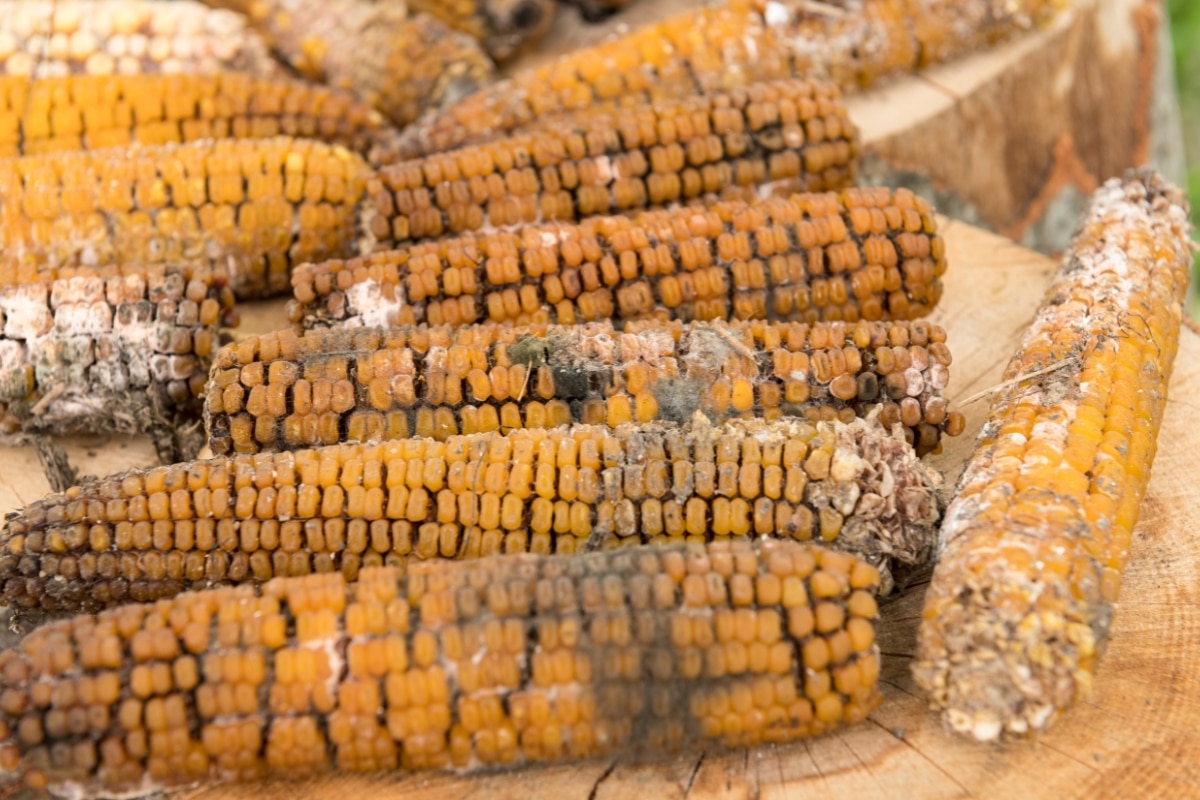
Medicine from Penicillium molds actually began before Fleming, but as with Fleming, those discoveries didn’t immediately lead to usable treatments. In 1893, the Italian medical scientist Bartolomeo Gosio collected a mold from spoiled corn and took it into his laboratory. He grew the mold in a dish and placed it beside the anthrax bacterium. The anthrax did not grow, and he realized the mold was producing something that stopped it.
Three years later, in 1896, Gosio isolated the compound responsible, mycophenolic acid. But it was too toxic for clinical use as an antibiotic, and the discovery was largely forgotten. In 1912, American scientists C. L. Alsberg and O. M. Black rediscovered it, and it resurfaced twice more, in 1945 and 1968. However, every attempt to use it as an antibiotic was abandoned because of its adverse effects.
In the 1970s, a scientist named Anthony Allison was studying children born with weak immune systems. In 1981, he and his wife, Elsie Eugui, joined a California drug company called Syntex, where they tested mycophenolic acid as a solution. It worked, and after they made a few tweaks to it, they named it mycophenolate mofetil.
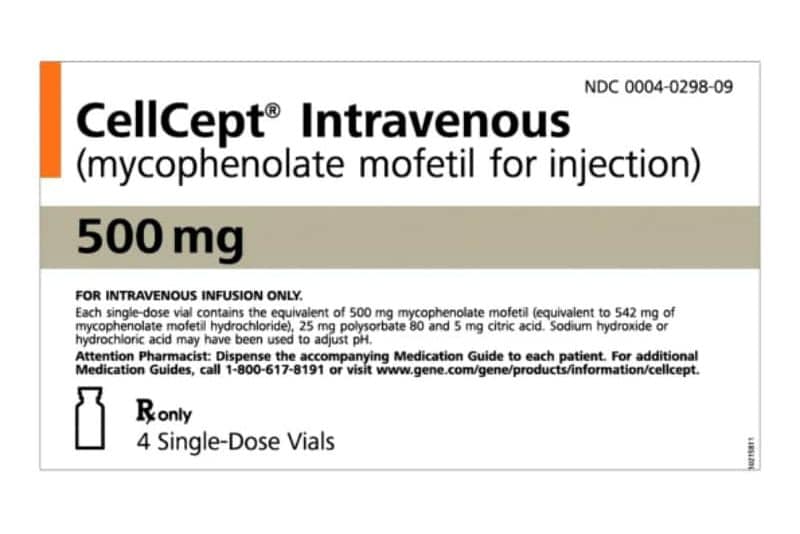
In 1995, almost 100 years after mycophenolic acid was first discovered, the FDA approved the new drug as CellCept. It was first used to stop a body from rejecting a new kidney. It is now also used for heart and liver transplants. For transplants, it is given along with steroids and other drugs such as tacrolimus or cyclosporine. It is also used for some autoimmune diseases, like a form of lupus that damages the kidneys and myasthenia gravis, a disease that weakens the muscles.
Fingolimod to treat Multiple Sclerosis
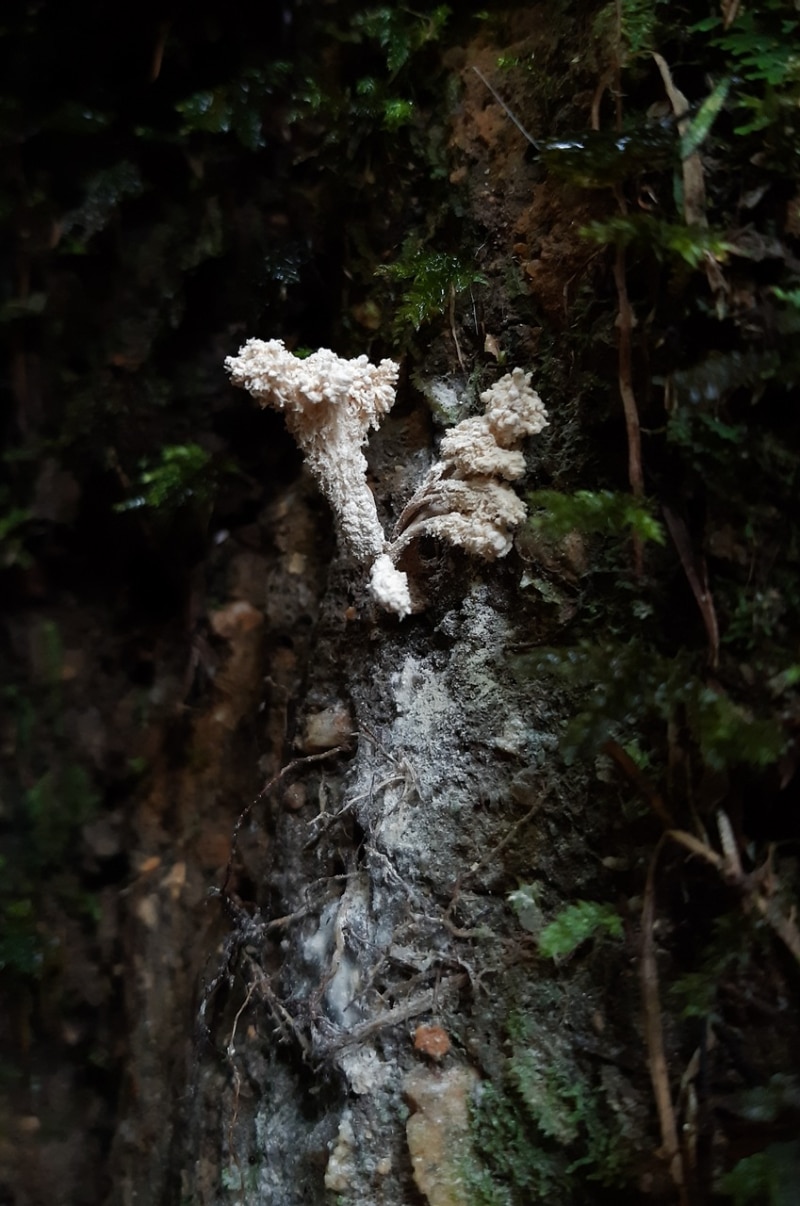
Cordyceps sinclairii (previously known as Isaria sinclairii ) is a parasitic cordyceps fungus that infects and kills insects. In traditional Chinese medicine, it was used as an “eternal youth” elixir. Researchers isolated a compound called myriocin from it and found it suppresses the immune system. In 1992, scientists at Yoshitomi Pharmaceuticals simplified the molecule to make a less toxic derivative they called fingolimod.
Fingolimod, sold as Gilenya, is a treatment for multiple sclerosis. This disease attacks the central nervous system, and in September 2010 the FDA approved it as the first oral disease-modifying drug for relapsing MS. It cuts relapse rates roughly in half. Newer MS drugs are now often used instead of fingolimod, but it is still commonly prescribed for MS.
Ergot, Childbirth, and LSD
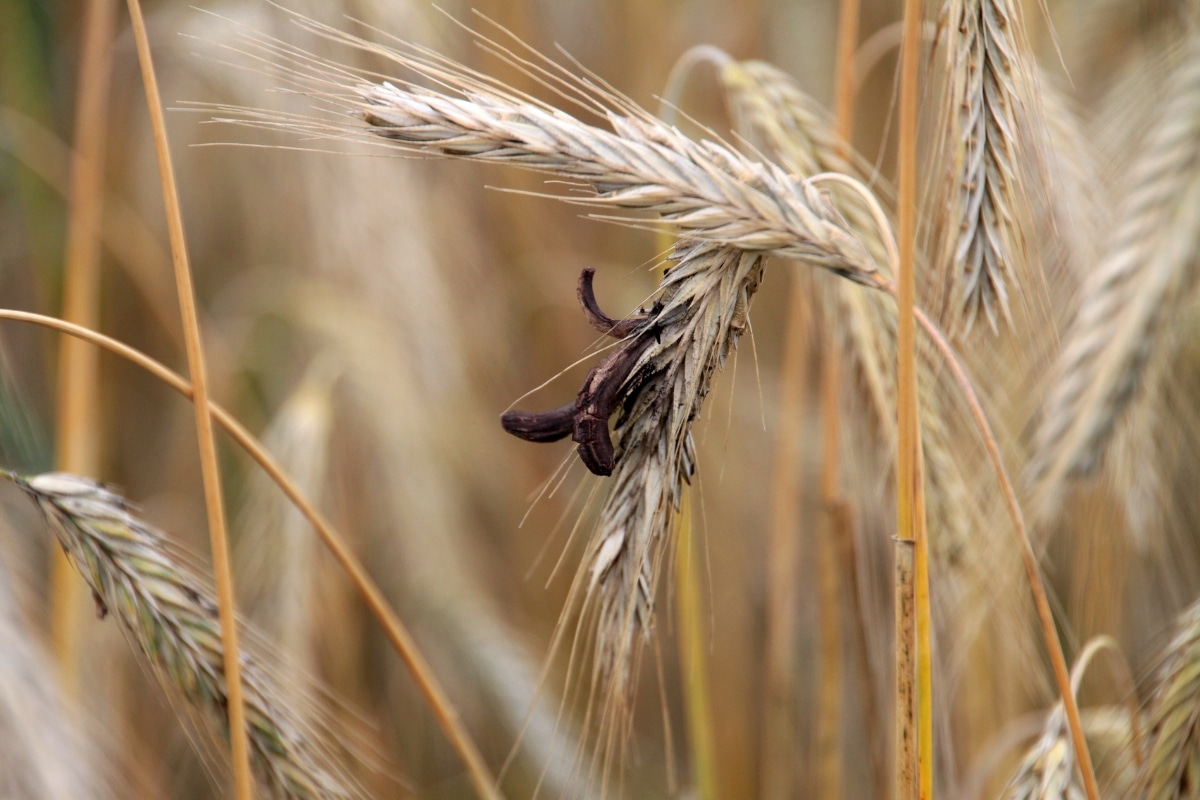
In the Middle Ages, rye bread was a main food in much of Europe, and ergot poisoning, called ergotism, was common. Ergot is a fungus that grows on grain crops. It can cut off blood flow to the arms and legs and cause fingers, toes, hands, and feet to fall off. In the other form, people had seizures and hallucinations.
However, by the 1500s, midwives were giving women small amounts of ergot to speed up childbirth. In 1808, an American doctor named John Stearns wrote about it as a “childbirth powder.” However, using ergot to speed up labor was risky because of the potential for side effects.
In 1917, the Swiss drug company Sandoz hired a chemist named Arthur Stoll to start a drug research department. He isolated a chemical called ergotamine from ergot, and doctors used it to control bleeding after childbirth and to treat migraine headaches.
By the mid-1930s, scientists knew that all the main chemicals in ergot are built around lysergic acid. With this starting point, they made new drugs by attaching different chemical pieces to it. One of them, methylergometrine, became an improved treatment for bleeding after childbirth. In 1938, Albert Hofmann, working at Sandoz, was trying to make a drug that would help people breathe and improve blood flow. One of the chemicals he made was LSD. The doctors and scientists at Sandoz didn’t find it useful, so the company stopped testing it. In 1943, he made it again and accidentally took a tiny amount, and that is how LSD got its start.
The chemists at Sandoz used ergot alkaloids as the starting point for a series of drugs, and two are still in use. Dihydroergotamine is used to treat migraine, and bromocriptine is prescribed for Parkinson’s disease.
Echinocandins and Fungal Infections
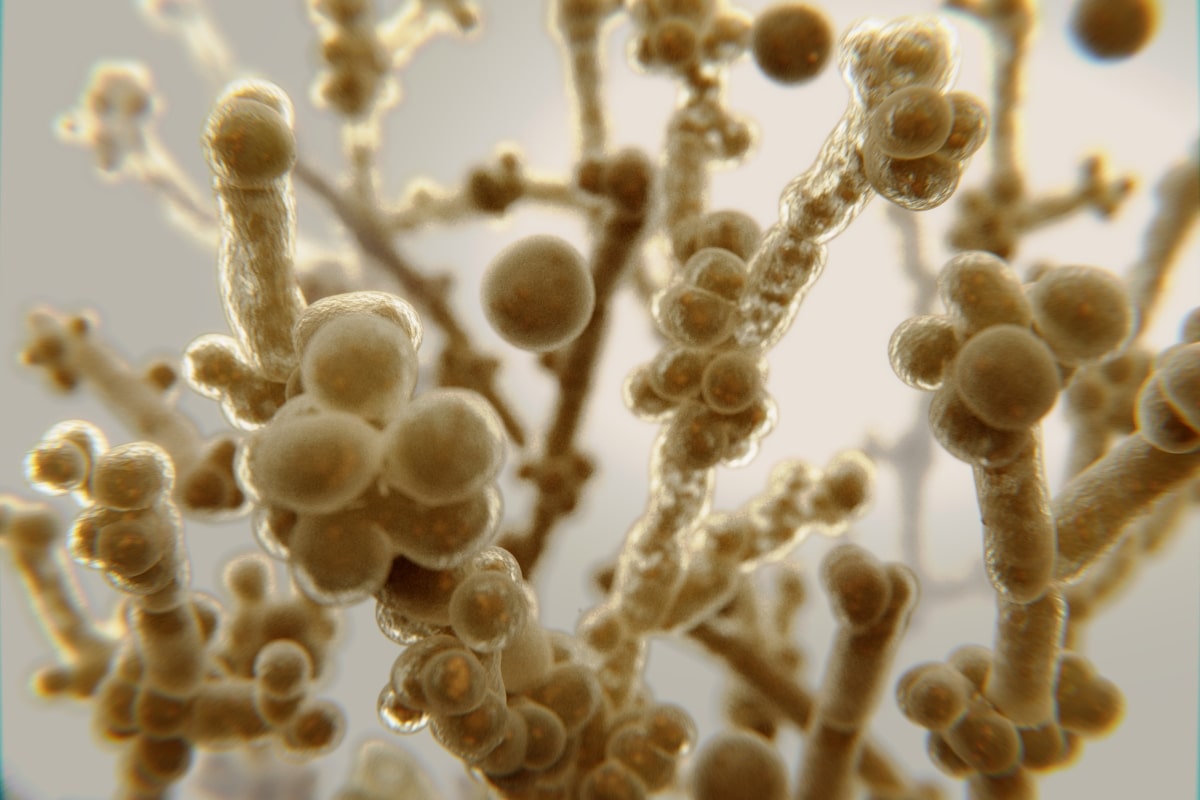
A group of drugs called echinocandins uses chemicals from fungi to fight fungal infections. The first of these drugs, caspofungin, comes from a chemical made by the mold Glarea lozoyensis. Scientists at the pharmaceutical company Merck found this mold in Spain in 1985.
These drugs treat serious fungal infections in hospital patients. They are the first choice for invasive candidiasis, an infection caused by Candida yeasts that spreads into the blood or organs. They are also used to treat aspergillosis, a serious infection caused by the mold Aspergillus.
Psilocybin and Depression
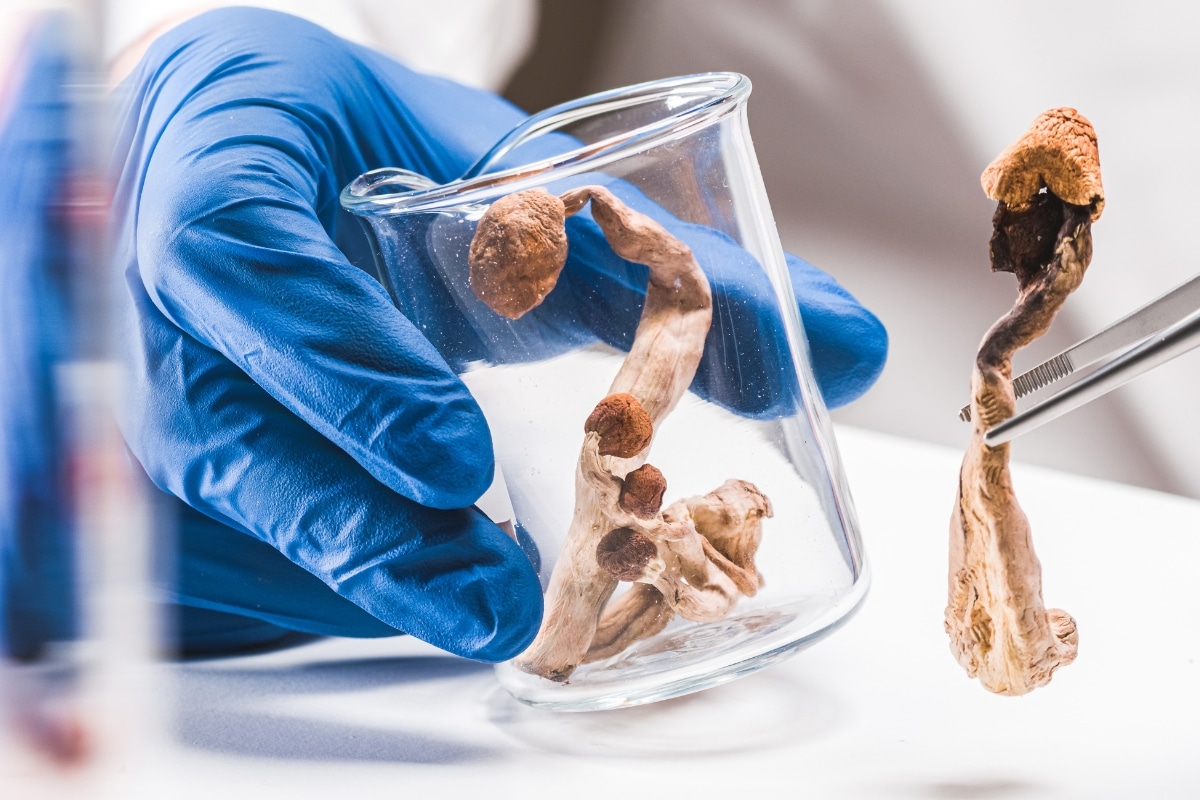
The main active ingredient in “magic mushrooms” is psilocybin. The body turns it into psilocin, which is the chemical that actually affects the brain. This chemical is similar to serotonin, a natural chemical that carries messages between brain cells. There are many claims about this fungi-based chemical, and lots of research is ongoing and still needs to be done. In the United States, psilocybin is a Schedule I drug, which means it is illegal.
In clinical trials, psilocybin has been tested as a treatment for depression, anxiety, alcohol use disorder, smoking addiction, obsessive-compulsive disorder (OCD), anorexia, migraines, cluster headaches, and post-traumatic stress disorder (PTSD). The studies on OCD, anorexia, smoking, migraines, and cluster headaches were small, with about 10 to 15 people each, and some studies lacked comparison groups, so they can’t prove psilocybin caused the improvement.
The most research is on depression. In two large studies (258 and 581 patients), people who took a high dose had lower depression scores after six weeks than the comparison group. Some smaller studies with comparison groups found benefits for anxiety and depression in people with cancer and for people with alcohol use disorder.
In a 2022 study of cluster headaches, the attacks dropped, but the difference from the placebo group wasn’t big enough to be sure the drug caused it. When 10 of the same patients took psilocybin again, their attacks dropped by about half, but that follow-up had no placebo group. In a 10-person anorexia study, 4 women improved, but the study doesn’t prove psilocybin treats anorexia. The smoking study had 12 of 15 smokers quit by six months, but it didn’t have a comparison group.
Fungi With Potential
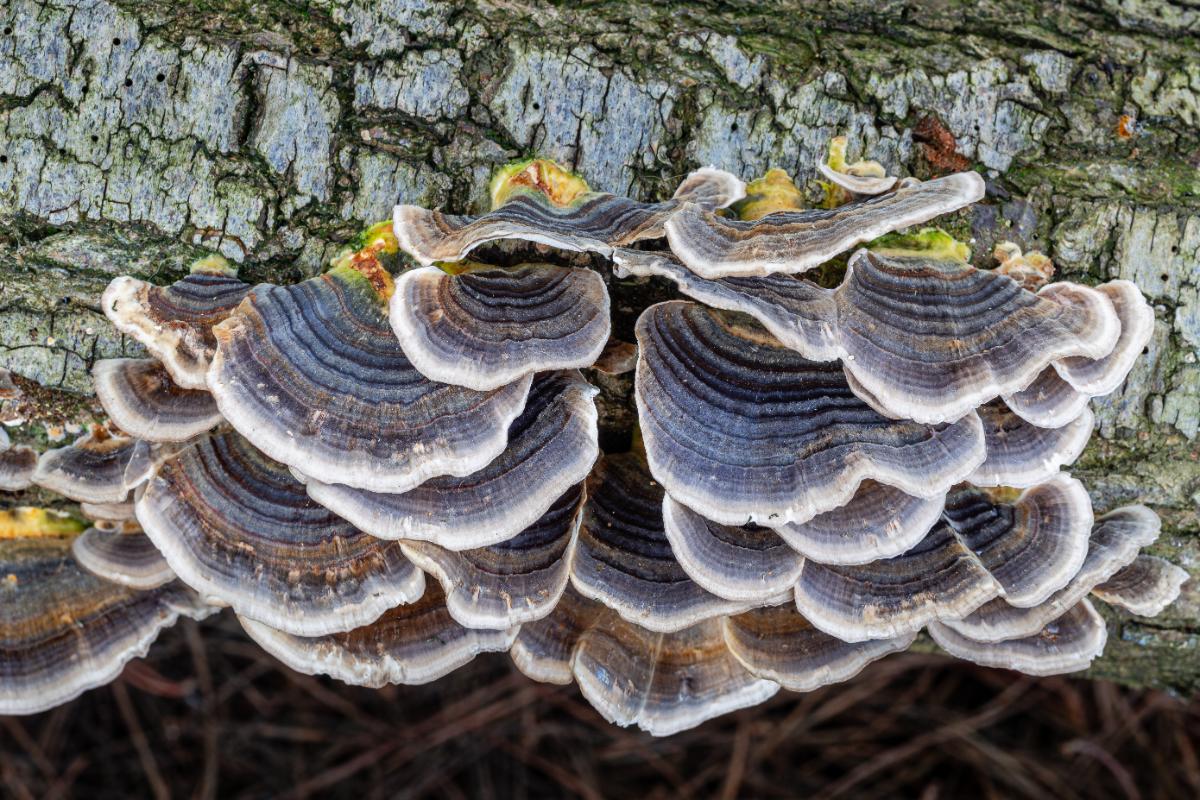
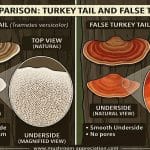
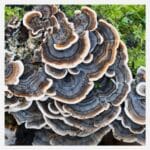
Turkey tail (Trametes versicolor)
In Japan, an extract from turkey tail (Trametes versicolor) called PSK is approved for cancer patients along with their regular treatment since the mid-1970s. In studies of people with cancers of the stomach, colon, and rectum, the patients who got PSK along with chemotherapy lived longer and were less likely to have their cancer come back than those who got chemotherapy alone. Few side effects have been reported. However, the FDA hasn’t approved turkey tail or PSK as a treatment for cancer or any other illness.
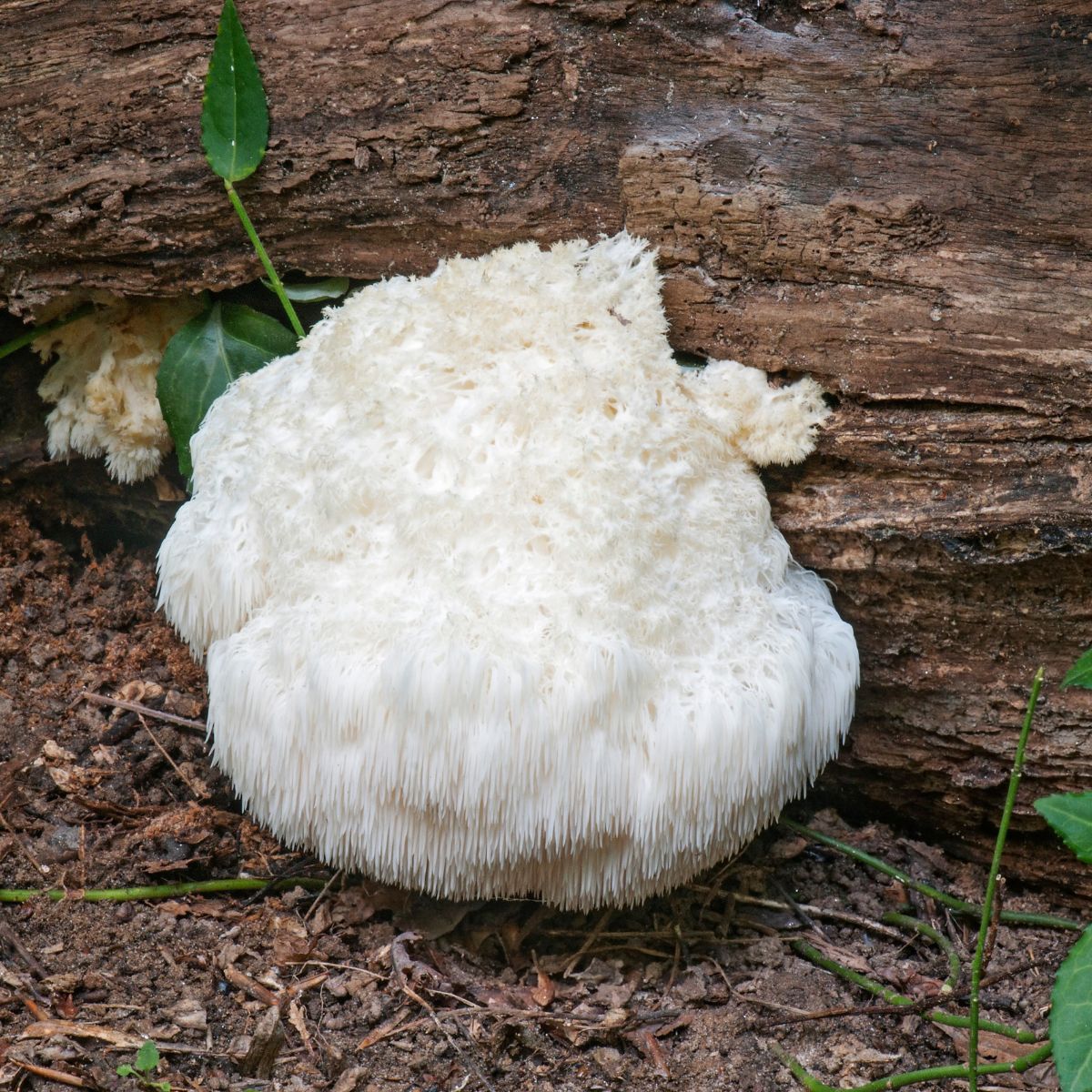
Lion’s mane (Hericium species)
In a 2009 study in Japan, 30 adults aged 50 to 80 with mild memory and thinking problems took either lion’s mane (Hericium erinaceus) tablets or a placebo three times a day for 16 weeks. The lion’s mane group scored higher on a thinking test than the placebo group at weeks 8, 12, and 16. Four weeks after they stopped taking it, their scores dropped again. Lab tests found no side effects, but with only 15 people in each group, the study was too small to prove that lion’s mane works.
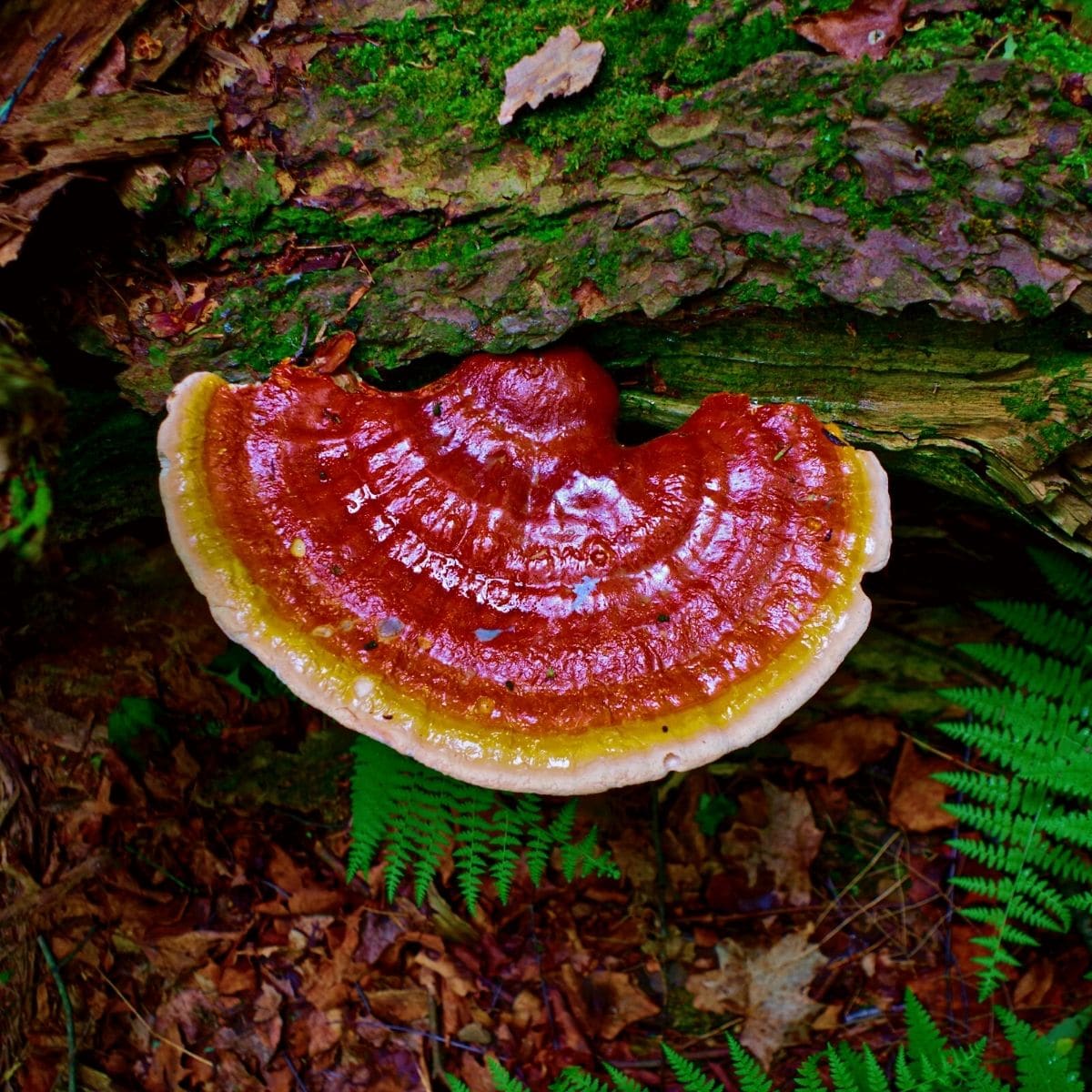
Reishi (Ganoderma “Reishi” species)
A 2016 review combined the results of five reishi mushroom trials with 373 cancer patients. The patients who took reishi along with chemotherapy or radiation may have responded better, but the results weren’t certain. When reishi was used alone, it didn’t shrink tumors. The reviewers said the studies were poorly done, didn’t track long-term survival, and didn’t provide enough evidence to use reishi as a main cancer treatment.
Chaga (Inonotus obliquus)
In lab studies, the chaga fungus killed tumor cells, but its safety and effectiveness haven’t been broadly tested in people. In at least two cases, people who took chaga for months or years got serious kidney damage and needed dialysis.

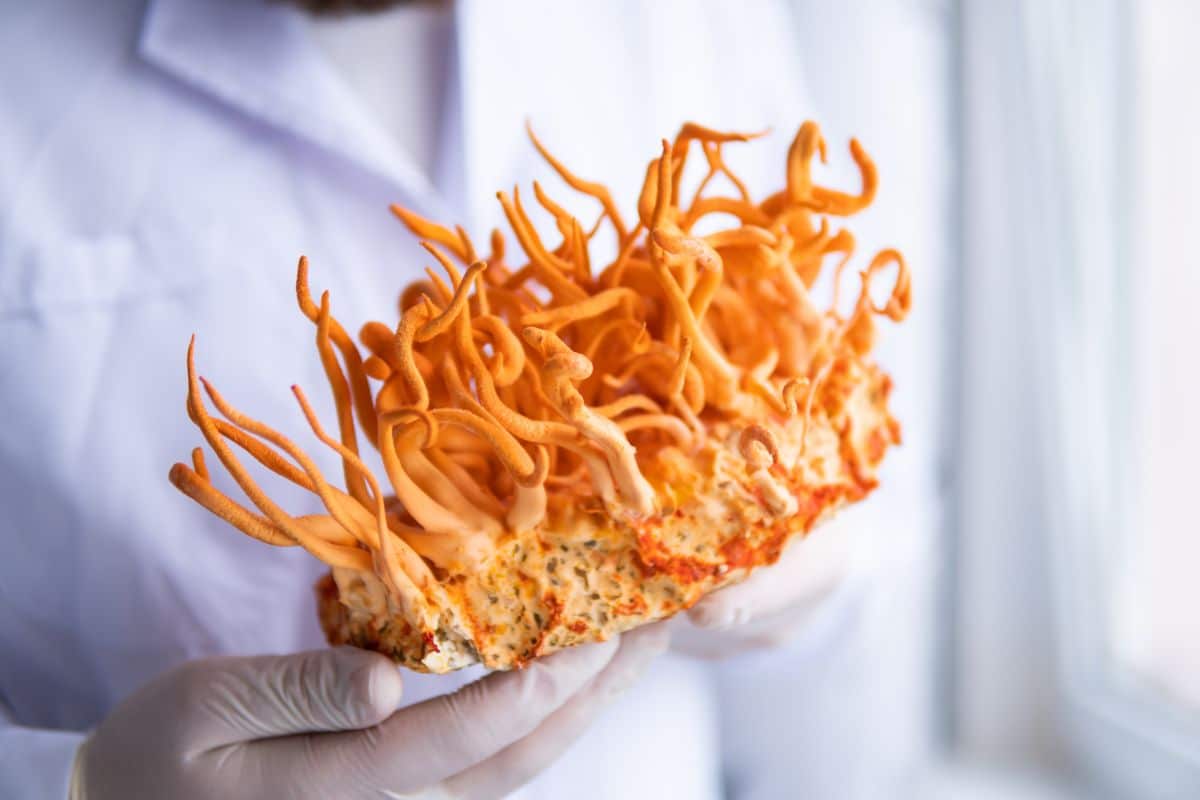
Cordyceps (Cordyceps sinensis)
In a study of 22 trained cyclists, five weeks of cordyceps didn’t improve their endurance. A 12-week study of older adults found it helped with moderate exercise, and a 12-week study of 22 marathon runners found their 3.1-mile run times got faster. In both of those studies, though, the maximum amount of oxygen their bodies could use didn’t go up. The studies were small, and the results don’t agree, so it’s still unclear whether cordyceps helps.
References:
- Nicolaou KC, Rigol S. A brief history of antibiotics and select advances in their chemistry. J Antibiot (Tokyo). 2018;71(2):153-184. https://doi.org/10.1038/ja.2017.62
- National Cancer Institute. Medicinal mushrooms (PDQ)—health professional version. https://www.cancer.gov/about-cancer/treatment/cam/hp/mushrooms-pdq
- Gaynes R. The discovery of penicillin—new insights after more than 75 years of clinical use. Emerg Infect Dis. 2017;23(5):849-853. https://doi.org/10.3201/eid2305.161556
- National WWII Museum. “Thanks to Penicillin…He Will Come Home!” The Challenge of Mass Production. https://www.nationalww2museum.org/sites/default/files/2017-07/thanks-to-penicillin-lesson.pdf
- American Chemical Society. Alexander Fleming discovery and development of penicillin. https://www.acs.org/education/whatischemistry/landmarks/flemingpenicillin.html
- Bo G. Giuseppe Brotzu and the discovery of cephalosporins. Clin Microbiol Infect. 2000;6(suppl 3):6-9. https://pubmed.ncbi.nlm.nih.gov/11449655/
- Newton GGF, Abraham EP. Isolation of cephalosporin C, a penicillin-like antibiotic containing D-α-aminoadipic acid. Biochem J. 1956;62(4):651-658. https://pubmed.ncbi.nlm.nih.gov/13315229/
- Merck Manual Professional Version. Cephalosporins. https://www.merckmanuals.com/professional/infectious-diseases/bacteria-and-antibacterial-medications/cephalosporins
- Aris P, Wei Y, Mohamadzadeh M, Xia X. Griseofulvin: an updated overview of old and current knowledge. Molecules. 2022;27(20):7034. https://doi.org/10.3390/molecules27207034
- Heusler K, Pletscher A. The controversial early history of cyclosporin. Swiss Med Wkly. 2001;131(21-22):299-302. https://smw.ch/index.php/smw/article/view/64
- Moore D. The cyclosporine story. David Moore’s World of Fungi. https://www.davidmoore.org.uk/sec04_01.htm
- Hodge KT, Krasnoff SB, Humber RA. Tolypocladium inflatum is the anamorph of Cordyceps subsessilis. Mycologia. 1996;88(5):715-719. https://doi.org/10.1080/00275514.1996.12026708
- Steinmuller DR. Cyclosporine and organ transplantation. Cleve Clin J Med. 1985;52(2):263-270. https://doi.org/10.3949/ccjm.52.2.263
- Endo A. A historical perspective on the discovery of statins. Proc Jpn Acad Ser B Phys Biol Sci. 2010;86(5):484-493. https://doi.org/10.2183/pjab.86.484
- US Food and Drug Administration. Statins: a success story involving FDA, academia and industry. https://www.fda.gov/downloads/AboutFDA/History/ProductRegulation/UCM593497.pdf
- Havel RJ. Dietary supplement or drug? The case of Cholestin. Am J Clin Nutr. 1999;69(2):175-176. https://doi.org/10.1093/ajcn/69.2.175
- Bentley R. Mycophenolic acid: a one hundred year odyssey from antibiotic to immunosuppressant. Chem Rev. 2000;100(10):3801-3826. https://doi.org/10.1021/cr990097b
- Strader CR, Pearce CJ, Oberlies NH. Fingolimod (FTY720): a recently approved multiple sclerosis drug based on a fungal secondary metabolite. J Nat Prod. 2011;74(4):900-907. https://doi.org/10.1021/np2000528
- Lee MR. The history of ergot of rye (Claviceps purpurea) II: 1900–1940. J R Coll Physicians Edinb. 2009;39(4):365-369. https://doi.org/10.4997/JRCPE.2009.416
- Oesper RE. Arthur Stoll. J Chem Educ. 1951;28(1):24. https://doi.org/10.1021/ed028p24
- Chen L, Yue Q, Li Y, et al. Engineering of Glarea lozoyensis for exclusive production of the pneumocandin B0 precursor of the antifungal drug caspofungin acetate. Appl Environ Microbiol. 2015;81(5):1550-1558. https://doi.org/10.1128/AEM.03272-14
- Pappas PG, Kauffman CA, Andes DR, et al. Clinical practice guideline for the management of candidiasis: 2016 update by the Infectious Diseases Society of America. Clin Infect Dis. 2016;62(4):e1-e50. https://doi.org/10.1093/cid/civ933
- COMPASS Pathways. Compass Pathways successfully achieves primary endpoint in second phase 3 trial evaluating COMP360 psilocybin for treatment-resistant depression. February 17, 2026. https://ir.compasspathways.com/News–Events-/news/news-details/2026/Compass-Pathways-Successfully-Achieves-Primary-Endpoint-in-Second-Phase-3-Trial-Evaluating-COMP360-Psilocybin-for-Treatment-Resistant-Depression/default.aspx
- Schindler EAD, Sewell RA, Gottschalk CH, et al. Exploratory investigation of a patient-informed low-dose psilocybin pulse regimen in the suppression of cluster headache: results from a randomized, double-blind, placebo-controlled trial. Headache. 2022;62(10):1383-1394. https://doi.org/10.1111/head.14420
- Schindler EAD, Sewell RA, Gottschalk CH, et al. Psilocybin pulse regimen reduces cluster headache attack frequency in the blinded extension phase of a randomized controlled trial. J Neurol Sci. 2024;460:122993. https://doi.org/10.1016/j.jns.2024.122993
- Peck SK, Shao S, Gruen T, et al. Psilocybin therapy for females with anorexia nervosa: a phase 1, open-label feasibility study. Nat Med. 2023;29(8):1947-1953. https://doi.org/10.1038/s41591-023-02455-9
- Johnson MW, Garcia-Romeu A, Cosimano MP, Griffiths RR. Pilot study of the 5-HT2AR agonist psilocybin in the treatment of tobacco addiction. J Psychopharmacol. 2014;28(11):983-992. https://doi.org/10.1177/0269881114548296
- Bogenschutz MP, Ross S, Bhatt S, et al. Percentage of heavy drinking days following psilocybin-assisted psychotherapy vs placebo in the treatment of adult patients with alcohol use disorder: a randomized clinical trial. JAMA Psychiatry. 2022;79(10):953-962. https://doi.org/10.1001/jamapsychiatry.2022.2578
- Grob CS, Danforth AL, Chopra GS, et al. Pilot study of psilocybin treatment for anxiety in patients with advanced-stage cancer. Arch Gen Psychiatry. 2011;68(1):71-78. https://doi.org/10.1001/archgenpsychiatry.2010.116
- Ross S, Bossis A, Guss J, et al. Rapid and sustained symptom reduction following psilocybin treatment for anxiety and depression in patients with life-threatening cancer: a randomized controlled trial. J Psychopharmacol. 2016;30(12):1165-1180. https://doi.org/10.1177/0269881116675512
- Moreno FA, Wiegand CB, Taitano EK, Delgado PL. Safety, tolerability, and efficacy of psilocybin in 9 patients with obsessive-compulsive disorder. J Clin Psychiatry. 2006;67(11):1735-1740. https://doi.org/10.4088/JCP.v67n1110
- Mori K, Inatomi S, Ouchi K, Azumi Y, Tuchida T. Improving effects of the mushroom Yamabushitake (Hericium erinaceus) on mild cognitive impairment: a double-blind placebo-controlled clinical trial. Phytother Res. 2009;23(3):367-372. https://doi.org/10.1002/ptr.2634
- Jin X, Ruiz Beguerie J, Sze DM, Chan GC. Ganoderma lucidum (Reishi mushroom) for cancer treatment. Cochrane Database Syst Rev. 2016;4:CD007731. https://doi.org/10.1002/14651858.CD007731.pub3
- Memorial Sloan Kettering Cancer Center. Chaga mushroom. Accessed November 4, 2026. https://www.mskcc.org/cancer-care/integrative-medicine/herbs/chaga-mushroom
- Lee S, Lee HY, Kim W, et al. Development of end stage renal disease after long-term ingestion of Chaga mushroom: case report and review of literature. J Korean Med Sci. 2020;35(19):e122. https://doi.org/10.3346/jkms.2020.35.e122
- Kwon O, Lee S, Kim W, et al. Chaga mushroom-induced oxalate nephropathy that clinically manifested as nephrotic syndrome: a case report. Medicine (Baltimore). 2022;101(10):e28997. https://doi.org/10.1097/MD.00000000000028997
- Parcell AC, Smith JM, Schulthies SS, Myrer JW, Fellingham G. Cordyceps sinensis (CordyMax Cs-4) supplementation does not improve endurance exercise performance. Int J Sport Nutr Exerc Metab. 2004;14(2):236-242. https://doi.org/10.1123/ijsnem.14.2.236
- Chen S, Li Z, Krochmal R, Abrazado M, Kim W, Cooper CB. Effect of Cs-4 (Cordyceps sinensis) on exercise performance in healthy older subjects: a double-blind, placebo-controlled trial. J Altern Complement Med. 2010;16(5):585-590. https://doi.org/10.1089/acm.2009.0226
- Savioli FP, Zogaib P, Franco E, et al. Effects of Cordyceps sinensis supplementation during 12 weeks in amateur marathoners: a randomized, double-blind, placebo-controlled trial. Clin Nutr ESPEN. 2022. https://www.sciencedirect.com/science/article/abs/pii/S2210803322000392
Leave a Reply