
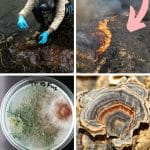
It may be hard to believe mushrooms can grow in diesel-soaked soil, but in one experiment, they did exactly that. In the late 1990’s, researchers ran a field test using oyster mushroom mycelium, and within weeks, oyster mushrooms were coming up straight out of the blackened dirt. That trial helped spark interest in using fungi to clean up pollution, even though its actual results were mixed.
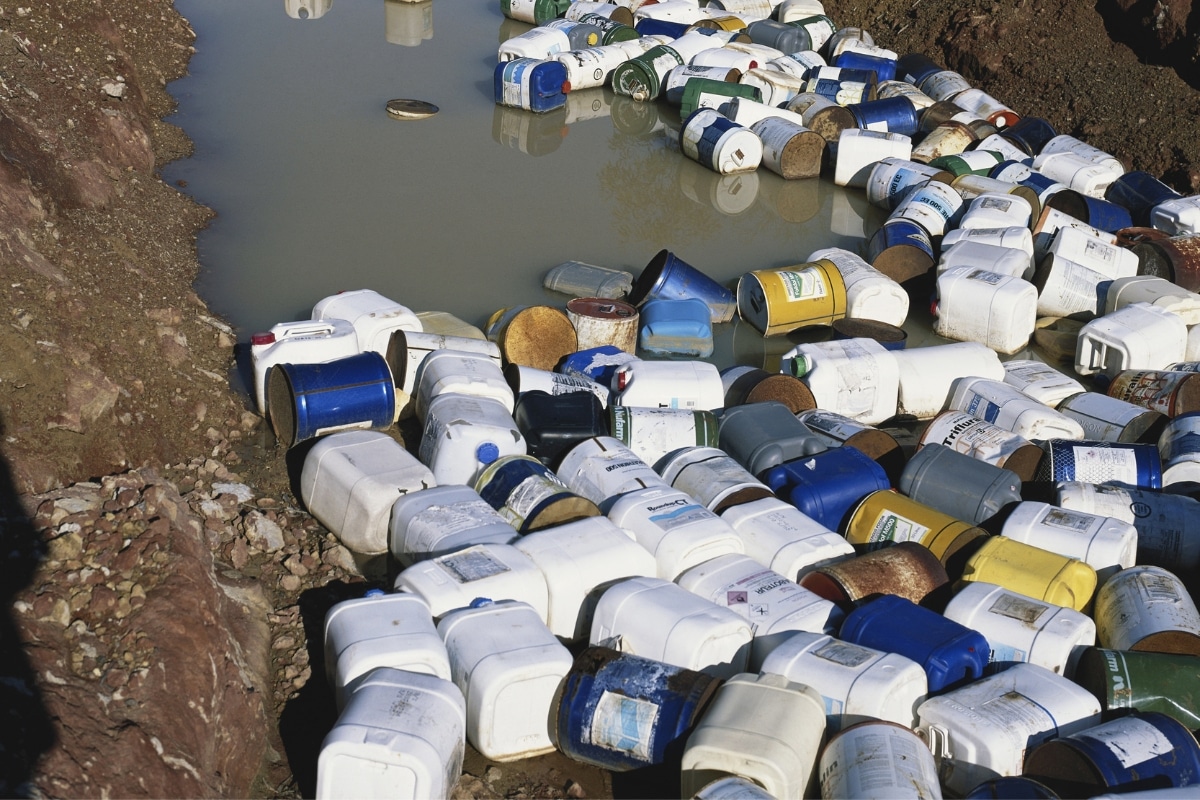
This is mycoremediation, the use of fungi to break down or remove pollution from soil, water, and air. It is being developed to use on petroleum, pesticides, industrial dyes, heavy metals, and a long list of other contaminants. Researchers have found that many wood-decaying fungi have the right chemical tools to break down pollutants. They work because a lot of industrial pollutants have a chemical structure similar to plant fibers, and fungi are experts at breaking down these fibers.
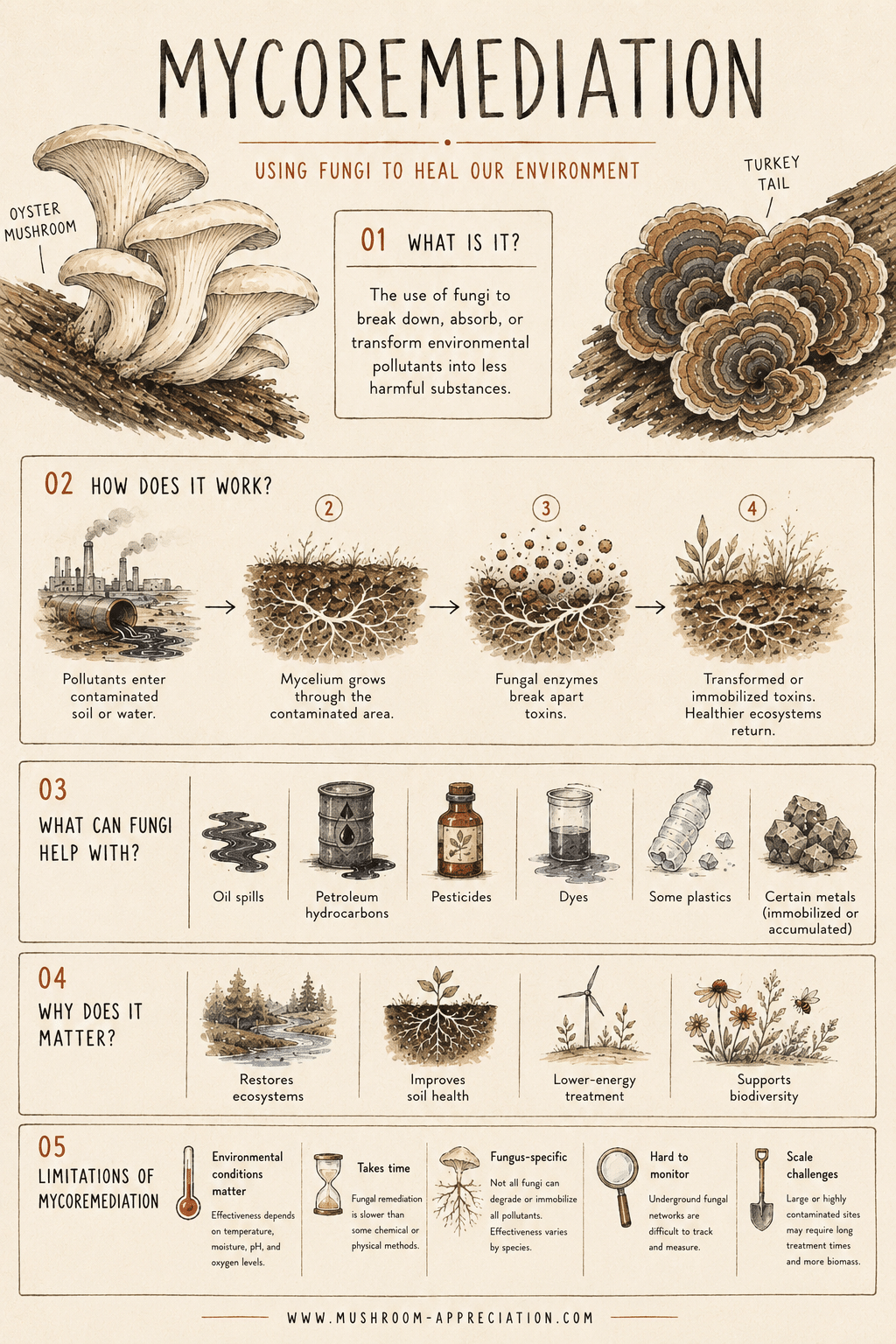
What Is Mycoremediation
The word mycoremediation comes from the Greek word mykes, which means fungus, and the Latin word remedium, which means a remedy or a return to balance. Paul Stamets coined the term and popularized it in his book Mycelium Running.
Mycoremediation is one type of bioremediation, which is the practice of using living things to clean up pollution. Bacteria have been used for this kind of work for decades, but fungi can do something bacteria can’t. Their enzymes break down a wide range of chemicals instead of just one or two. Fungi can even break down some pollutants that bacteria can’t, like the painkiller acetaminophen and the dyes used to color fabric.
How Mycoremediation Works
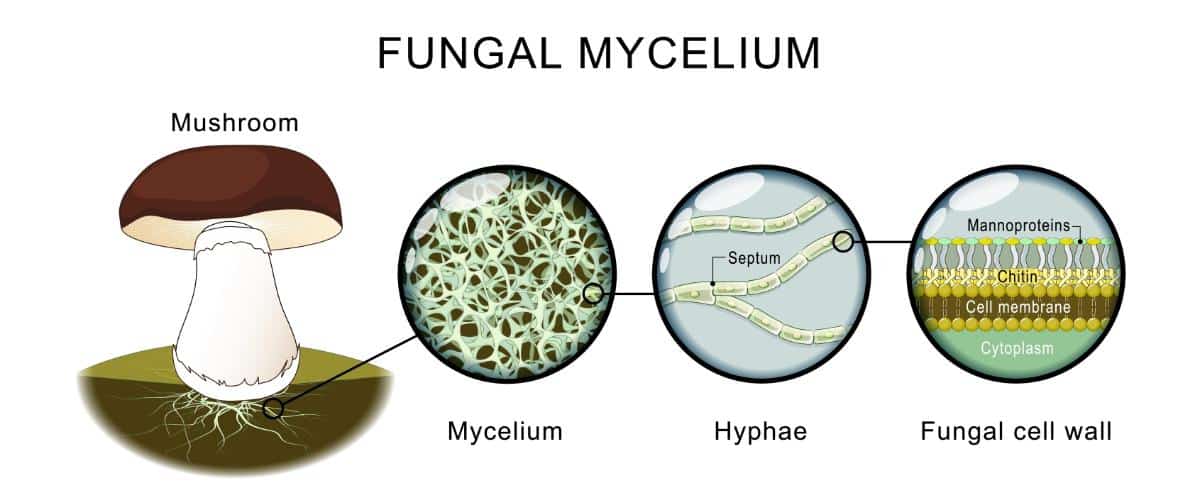
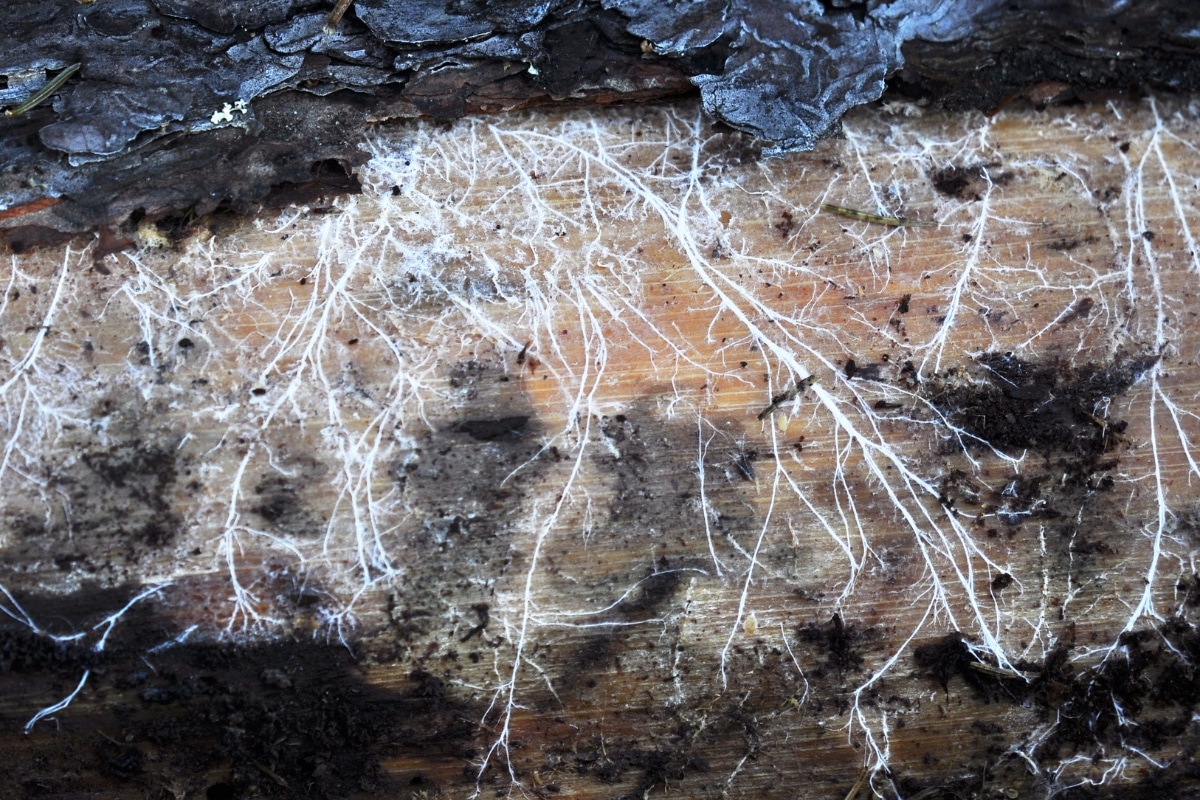
Fungi break down or trap pollution through their mycelium, which is a thread-like network that makes up most of a fungus’s body (its “roots”). The fleshy mushroom that we see is only the fruiting part of that network; it is not the entirety of the fungus. The mycelium system spreads mostly unseen through soil, wood, or water, wherever the mushroom grows.
Fungi clean up pollution in a few different ways. Which method works best depends on the fungus and on what kind of pollution it’s being used on. Some break the pollutant apart into smaller, less harmful pieces, while others pull it out of the soil or water and lock it away inside themselves. Others act as a living filter, and trap contaminants as water passes through them.
Mycodegradation
In the forest, white rot fungi break down the lignin in wood, which is the tough material that makes wood stiff and hard to rot. They do it with a set of enzymes, including lignin peroxidase, manganese peroxidase, and laccase. These enzymes work outside the fungal cell rather than inside it, so they spread through whatever the mycelium is growing on.
They are built to break apart long, carbon-based molecules. Lignin is one of those molecules, which is why the fungi can eat it. A lot of pollutants are also long, carbon-based molecules, including petroleum, pesticides, and dyes. So to these enzymes, a diesel spill looks a lot like a fallen log.
The mycelium is grown ahead of time on straw, wood chips, or grain, then mixed into the contaminated soil or spread on top of it. It then grows out through the soil toward the pollution, releasing its enzymes as it goes. In a few weeks to a few months, the enzymes break the pollutant down where it is, so there is no need to dig up the soil and haul it away.
This mycoremediation process works in soil, water, and plastic, but there is a catch. The mycelium has to reach the pollution physically, and it needs enough moisture and oxygen to keep its enzymes going.
Fungi can break down pollutants even in extreme cold. Antarctic fungi, including types of Metschnikowia and Pichia, break down phenols, toluene, and petroleum compounds at temperatures cold enough to stop most other decomposing fungi from working. This helps in places like Antarctica, where the usual fix, digging out the frozen soil and trucking it away, is slow and costly.
Fungi used for Mycodegradation
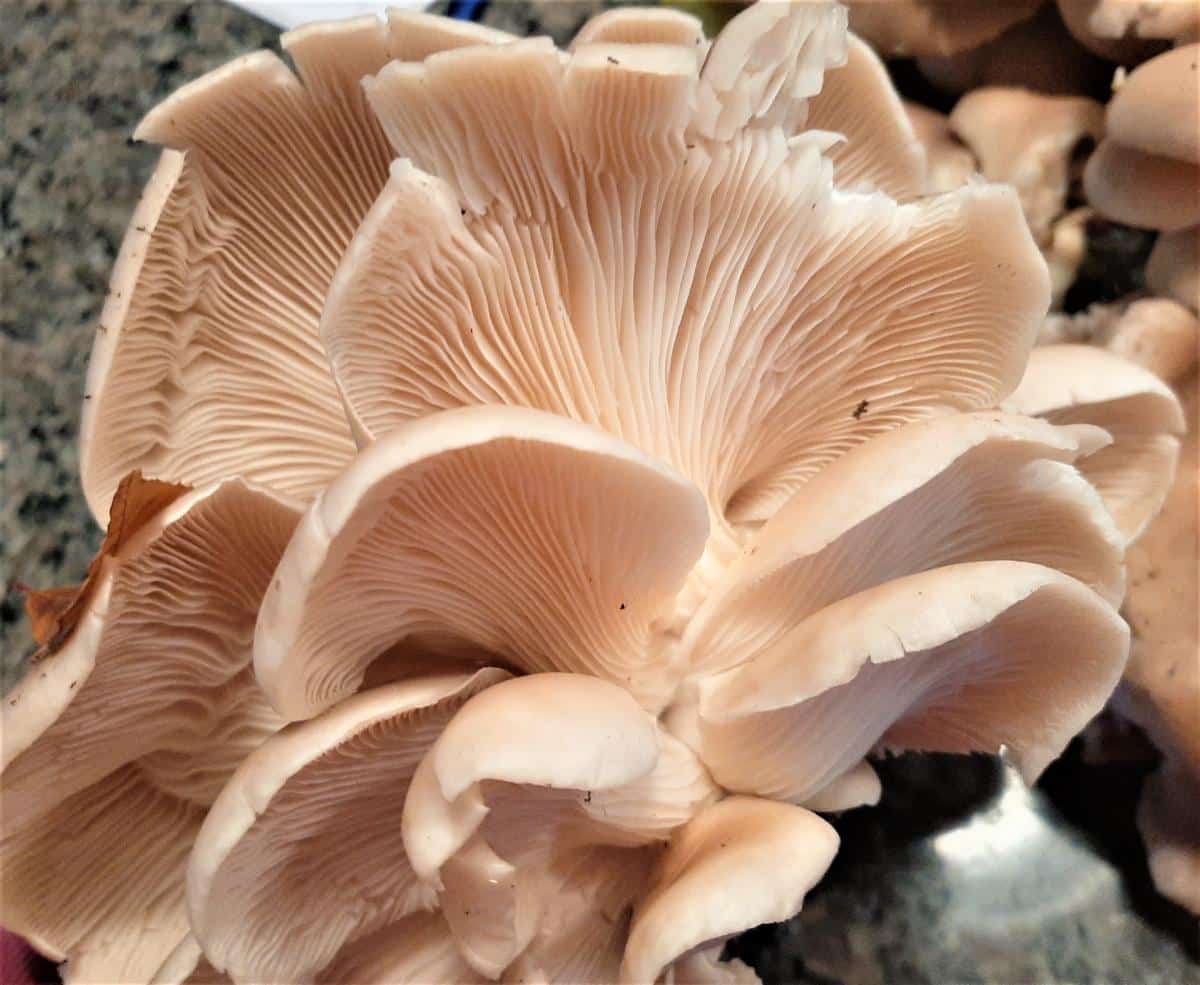
- Oyster mushroom (Pleurotus ostreatus) — the workhorse of oil and hydrocarbon cleanup, and the fungus used in the Bellingham diesel trial
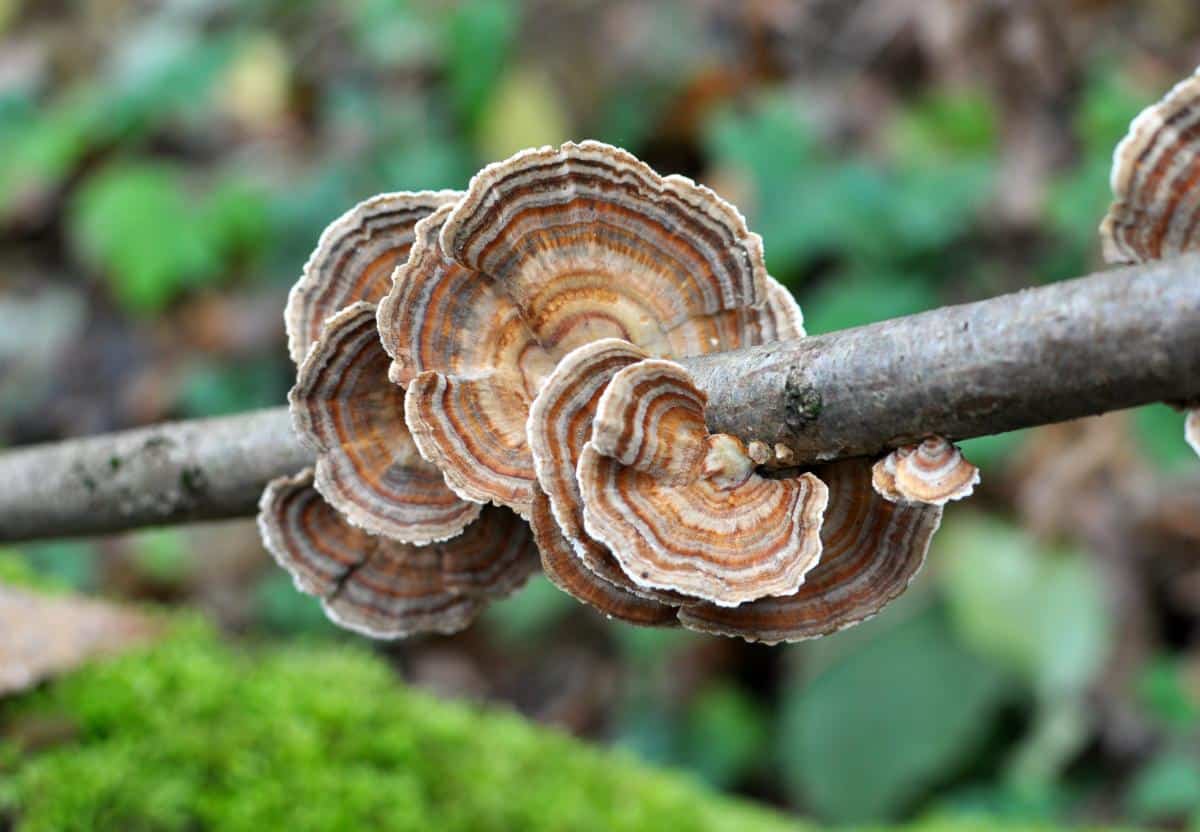
- Turkey tail (Trametes versicolor) — studied for dyes, PCBs, and heavy metals.
- Phanerochaete chrysosporium — the most-studied white rot fungus, used as a model for degrading dyes and other pollutants
- Irpex lacteus — the white rot fungus used in the PFAS research
- Smoky bracket (Bjerkandera adusta) — studied for the pesticide endosulfan and other compounds
- Ganoderma and Trametes menziesii strains — the native Amazon fungi that removed more than 96 percent of petroleum in the 2025 Ecuador study
Bioaccumulation
Heavy metals are different from fuels and pesticides, and can’t be treated the same way. Lead, mercury, cadmium, and arsenic are elements that cannot be destroyed the way a fuel molecule can. Instead of breaking these down, some fungi can pull them out of the soil or water and lock them away, mostly by holding them in their mycelium. This mycoremediation process is called bioaccumulation, or biosorption.
This kind of cleanup works best in water and wet ground. Fungi soak up metals through contact, and metals floating in wastewater, pond water, or soggy soil are easier to grab than metals stuck in dry, packed dirt. Because of this, a lot of bioaccumulation work focuses on industrial wastewater from operations like electroplating, tanning, and textile dyeing. These all put large amounts of metals into the water.
In these setups, the mycelium is usually grown into a loose mat or small pellets. As the polluted water flows past, the metals stick to the fungus. Once the fungus has soaked up as much as it can hold, it gets pulled out and disposed of, and the trapped metal goes with it.
Fungi used for Bioaccumulation
- Oyster mushrooms (Pleurotus) — used to pull lead, cadmium, and other metals from soil and water
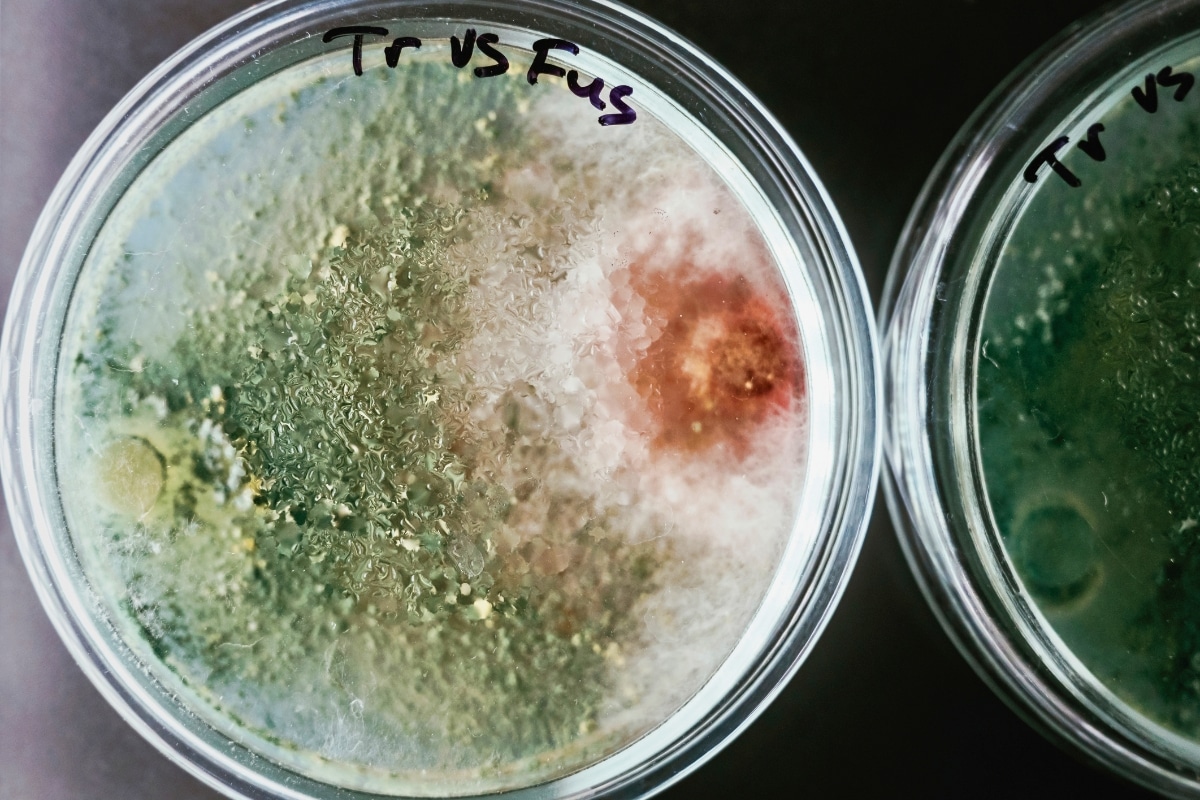
- Aspergillus and Trichoderma species — studied for lead, cadmium, nickel, chromium, mercury, and arsenic
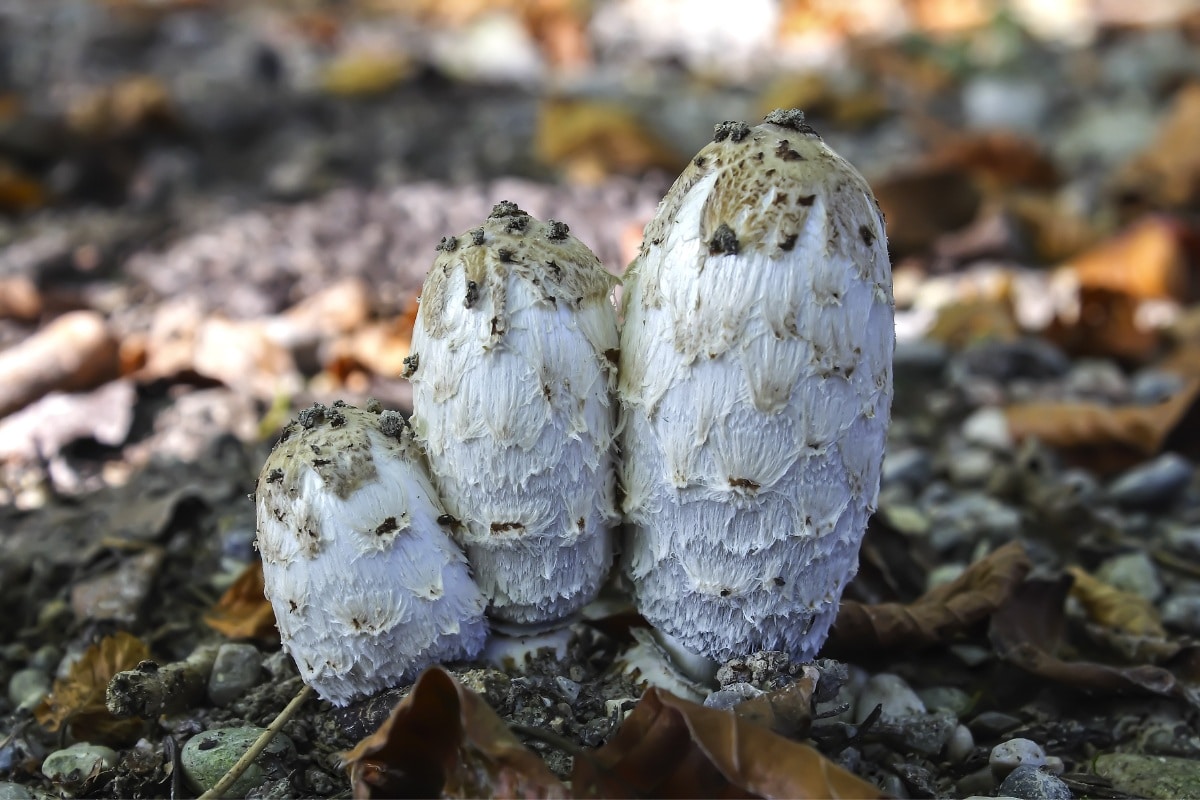
- Shaggy mane (Coprinus comatus) — a strong accumulator of mercury
Mycofiltration
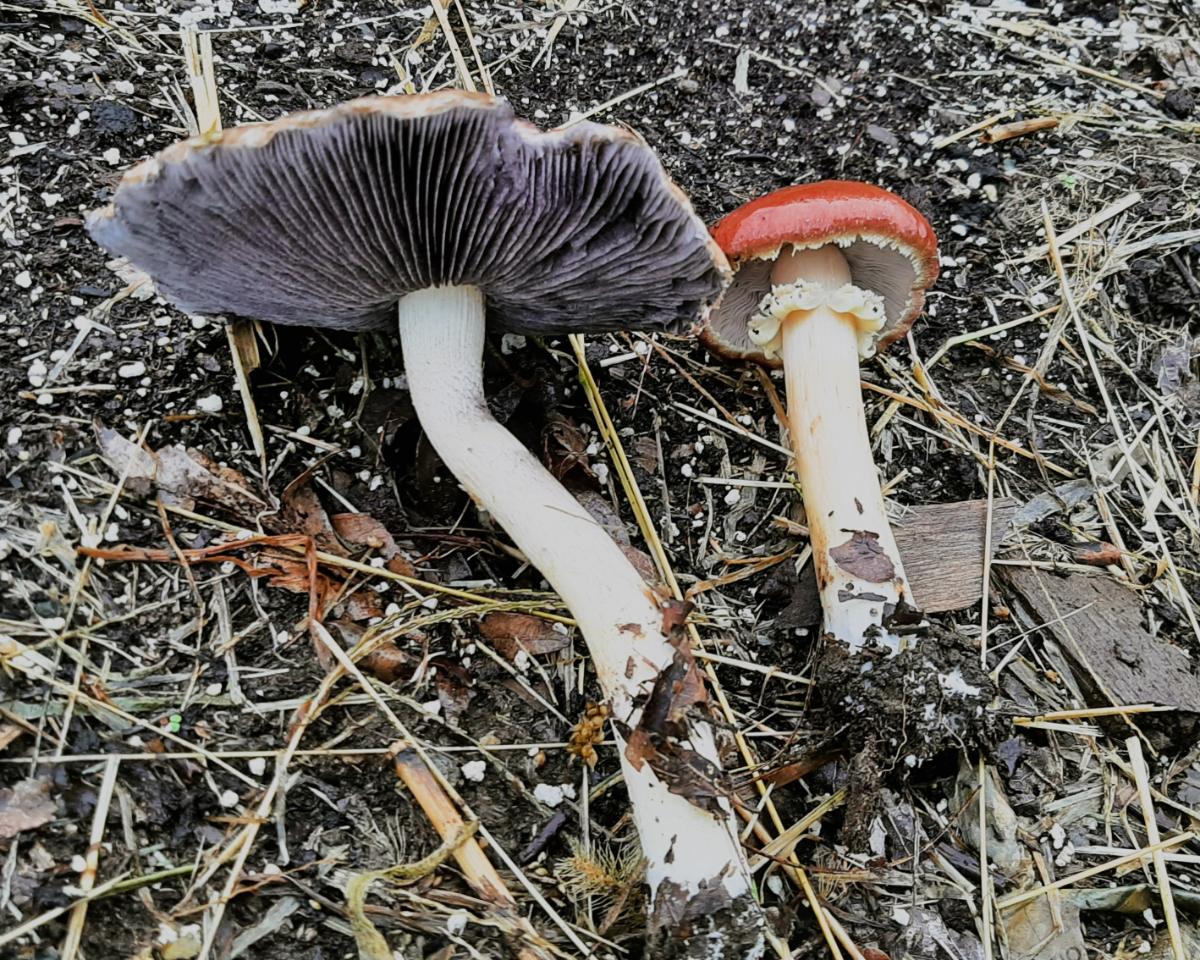
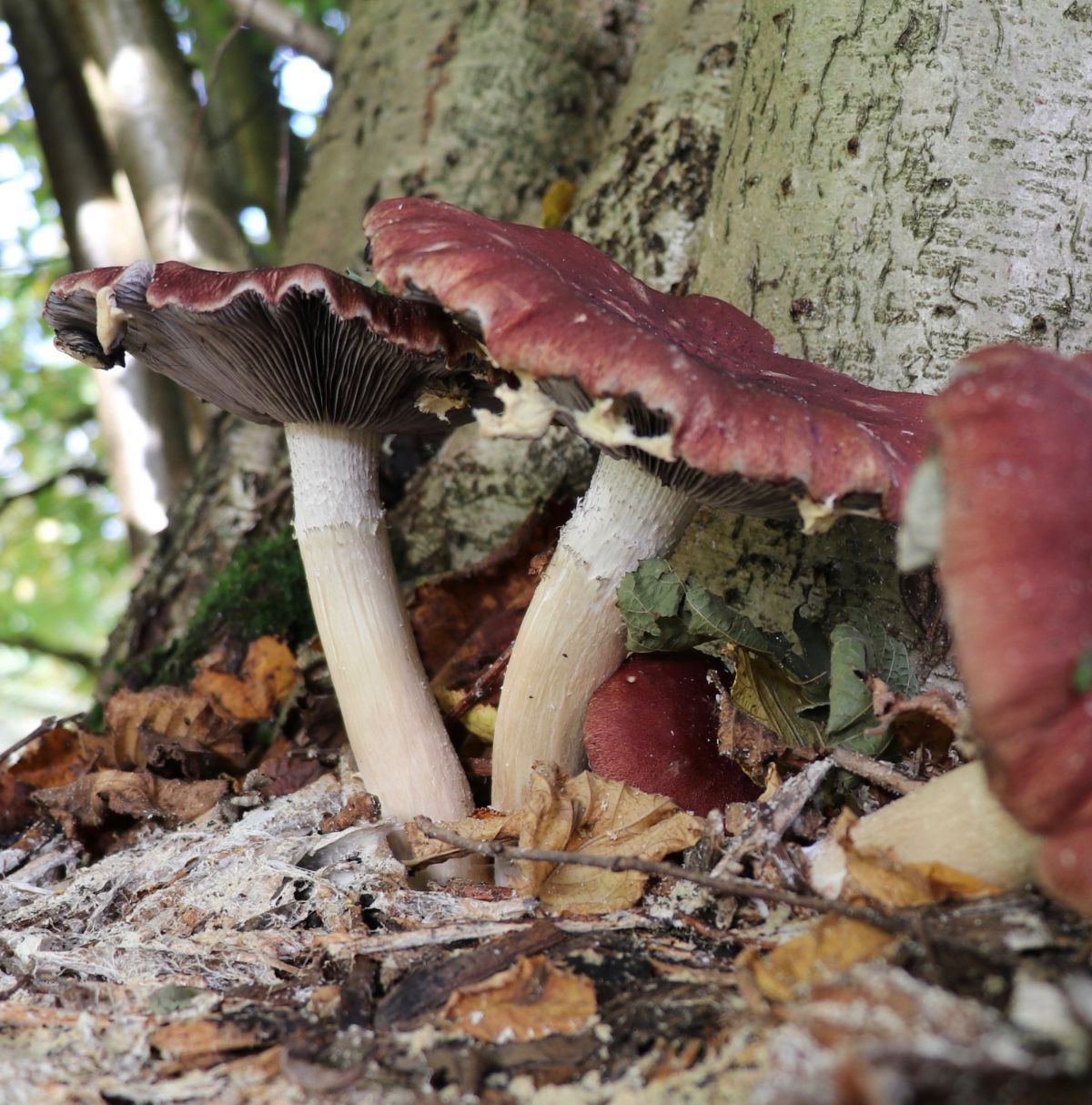
Mycelium can also work as a living filter. These mycelium filters are grown as a thick, tangled mesh, and when water runs through them, they catch sediment, bacteria, and other bits, like a net snagging debris in a stream. Paul Stamets came up with this idea after noticing that a mushroom bed in a pasture seemed to cut down the bacteria washing off into nearby water. That mushroom was Stropharia rugosoannulata, also called the garden giant, and it is it is the species most studied for using mycoremediation to filter pollutants.
For most mycofiltration processes, the mycelium is grown on straw or wood chips, and then gets packed into mesh tubes called wattles. The wattles are then laid across ditches and streambanks, so dirty water has to move through the fungus before it reaches open water. This makes it a good fit for wet, flowing places instead of dry soil.
It works on pollution that travels in water, especially bacteria like E. coli in farm and stormwater runoff. In some trials, the fungus cut the bacteria in the water between 20- 40 percent. That improvement reduces over time, though, as the fungal mat gets old and needs to be replaced.
Fungi used for Mycofiltration
- Garden giant/wine cap (Stropharia rugosoannulata) — the main mycofiltration species, used in the E. coli runoff trials on wood chips
Mycoremediation in Action
Cleaning Up Oil
Bellingham Trial
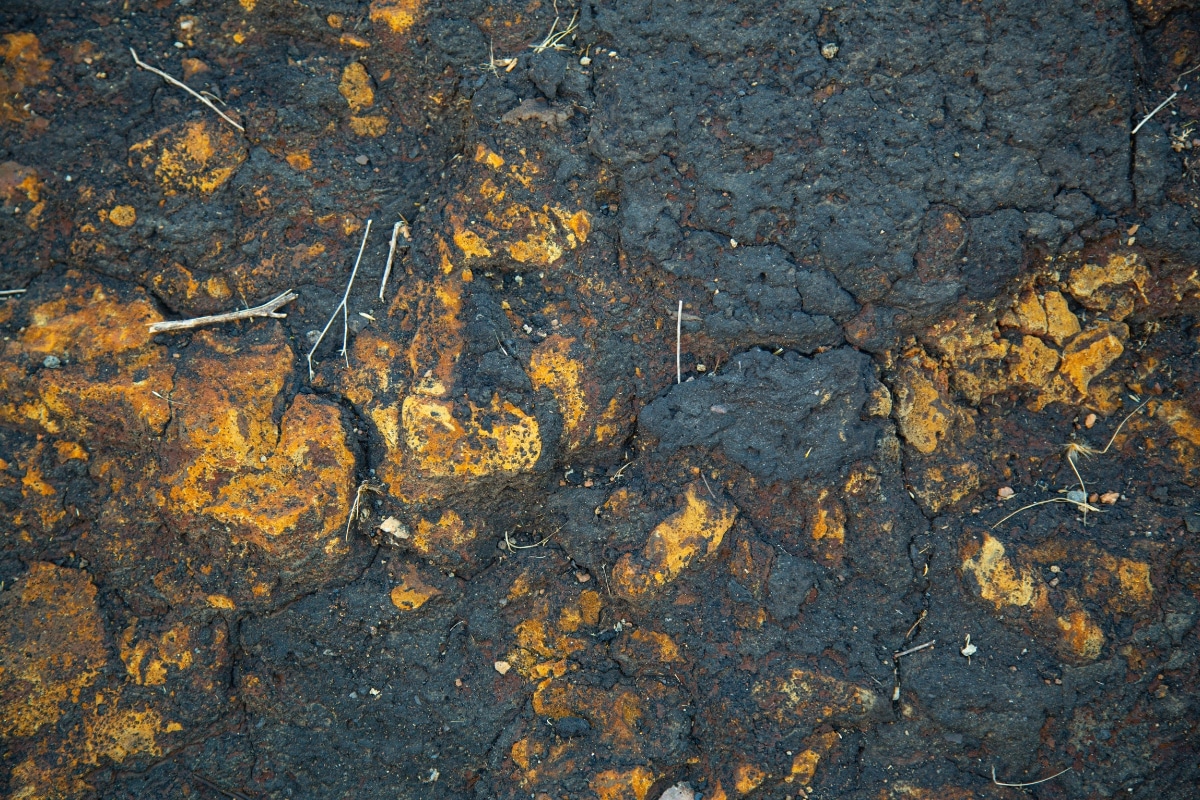
One of the early tests of mycoremediation happened in Bellingham, Washington, in the late 1990s. A maintenance yard run by the Washington State Department of Transportation had soil soaked with diesel, in some spots as high as 20,000 parts per million. That’s about the same amount found on beaches after the Exxon Valdez spill.
Workers split the dirt into several piles and treated each one a different way. One pile was left alone, as a control. One got enzymes, one got ordinary bacteria, and the last was mixed with the mycelium of oyster mushrooms. A few weeks later, the crew came back to check and found the oyster mushroom pile was covered in mushrooms, some of them up to 12 inches wide.
The common retelling of what happened next is very cinematic, but the truth is more nuanced. The scientists who ran the mycoremediation test reported that they couldn’t tell one treatment from another, and that none clearly met the standard set for a successful cleanup. The problem was the soil itself. The contamination was spread so unevenly from pile to pile, and the oil was so old and weathered, that the numbers were too messy to draw a firm conclusion.
The widely repeated figure that the fungi broke down 95 percent of the contamination came later, from a separate round of testing the Washington DOT did on its own. After that retest, the soil was judged clean enough to reuse for highway landscaping.
Ecuadorian Amazon
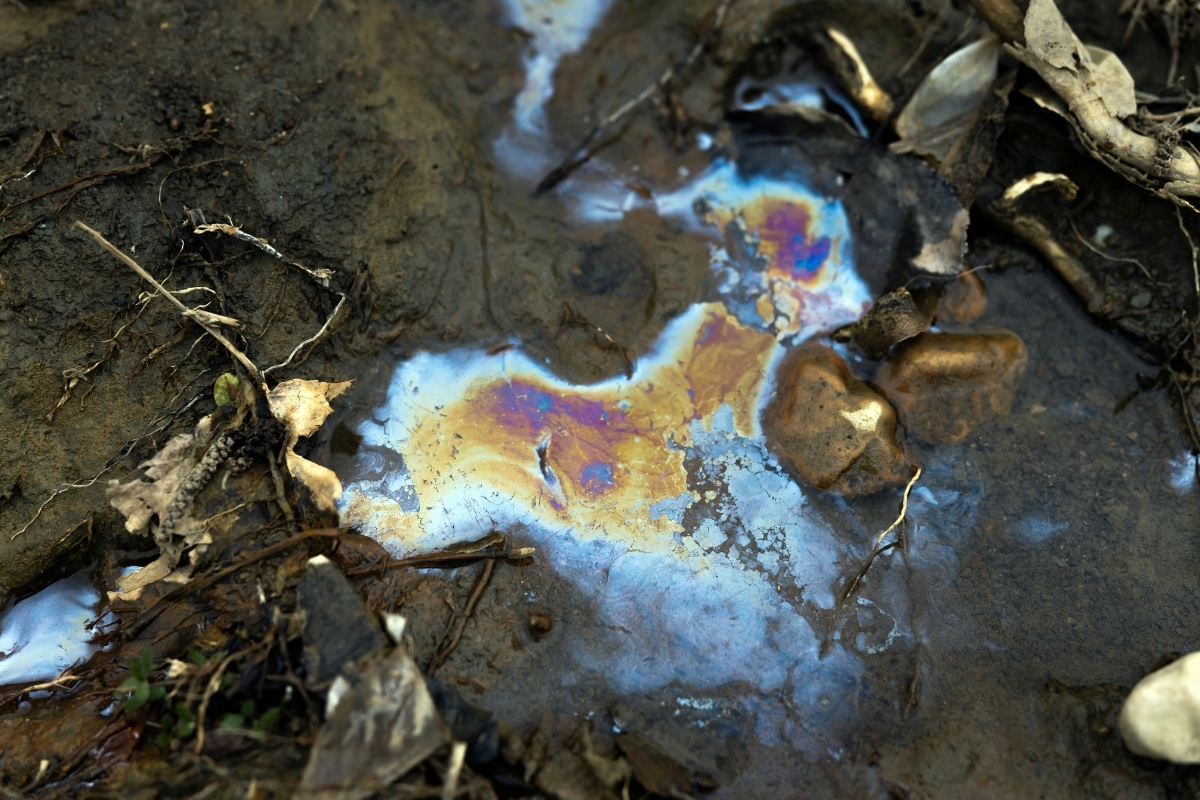
A larger and more difficult mycoremediation test has been underway in the Ecuadorian Amazon since 2007. Between 1964 and 1992, the oil company Texaco, later purchased by Chevron, dumped billions of gallons of oil and wastewater into the region. More than a thousand unlined waste pits remain in the Sucumbios province today. The Amazon Mycorenewal Project, now called CoRenewal, has worked with local institutions since then to test native fungal species against the contamination.
In 2025, a laboratory study tested sixteen fungal strains native to the region, including several species of Ganoderma and Trametes, for their ability to break down petroleum hydrocarbons in contaminated soil. The five strains with the highest enzyme activity removed more than 96 percent of the total petroleum hydrocarbons in the soil over 60 days under lab conditions. The researchers say the next step is testing these strains out in the field.
LIFE MySOIL
A European Union project called LIFE MySOIL set out to show that fungi could clean up oil-polluted soil in the real world, not just in the lab. The team ran full-scale test cleanups at three sites, one each in France, Italy, and Spain, and every site had a different kind of oil pollution to deal with.
The fungal cleanup cost below 75 euros per cubic meter of soil, compared with more than 100 euros for thermal treatment, the standard method. The mycoremediation also used about 90 percent less energy. One goal of the project was to write practical guidelines so that regulators and cleanup companies could start using the method more widely.
Filtering Farm and Storm Runoff
The clearest test of mycofiltration so far has come from work on farm and stormwater runoff carrying E. coli, a bacterium that signals fecal contamination in water. Researchers took mycelium of Stropharia rugosoannulata and grew it for about two months on alder wood chips, then packed it into filter columns.
Then, stormwater spiked with E. coli was poured through it. The fungal filters removed the bacteria at a rate about 20 percent higher than identical columns of plain wood chips with no fungus. The fungal mesh kept working even after the filters were pushed through simulated field abuse, including temperatures swinging from 5 to 140 degrees Fahrenheit and long stretches of soaking. It was found that the fungal mats perform well when they’re fresh but become less effective as they age because they clog and get colonized by other organisms.
In Washington’s Dungeness watershed, researchers built two rain gardens side by side and fed them the same water. One was a rain garden planted with native shrubs and wetland plants, and the other had the same plants, plus fungi mixed into its wood-chip mulch. Over several months, the plain bed cut the fecal bacteria in the water by 66 percent, and the bed with fungi cut it by 90 percent. The fungi clearly helped with bacteria, though it did a poor job on other pollutants and often let out more phosphorus than it took in.
Removing Toxic Chemicals and Industrial Pollution
China
In China, researchers searched for fungi tough enough to survive heavy-metal pollution and then clean it up. They worked with soil from a mine in Nanjing and pulled out 460 different fungal strains. From those, they looked for the ones that could both survive and soak up cadmium, chromium, and lead. One yeast, Komagataella phaffii, was good against very high metal levels and absorbed large amounts of cadmium, copper, and lead. The team found that each fungus worked best on a particular metal, and concluded that no single species is a fix for every kind of contamination or mycoremediation project.
Egypt
A 2023 study collected metal-loving fungi from iron-heavy soil near Beni-Suef and tested how well each one could pull iron back out. The fungus Trichoderma harzianum removed the most contaminants, and it was found that actively growing fungus did better than dead fungal material at cleanup.
New Zealand
New Zealand has thousands of polluted sites left over from the timber industry. Many are contaminated with a wood preservative called pentachlorophenol, or PCP, which was once used to keep fungi from staining the cut lumber. Starting in 1996, a research program tested whether any of the country’s native fungi could break the chemical down. Local strains of the fungus Trametes versicolor were grown on wheat straw and mixed into the polluted soil, and they broke down the PCP where it was. The fungi had to be alive to do the job, and how well they took hold depended on the soil’s type, moisture, and temperature.
Restoring Burned Land
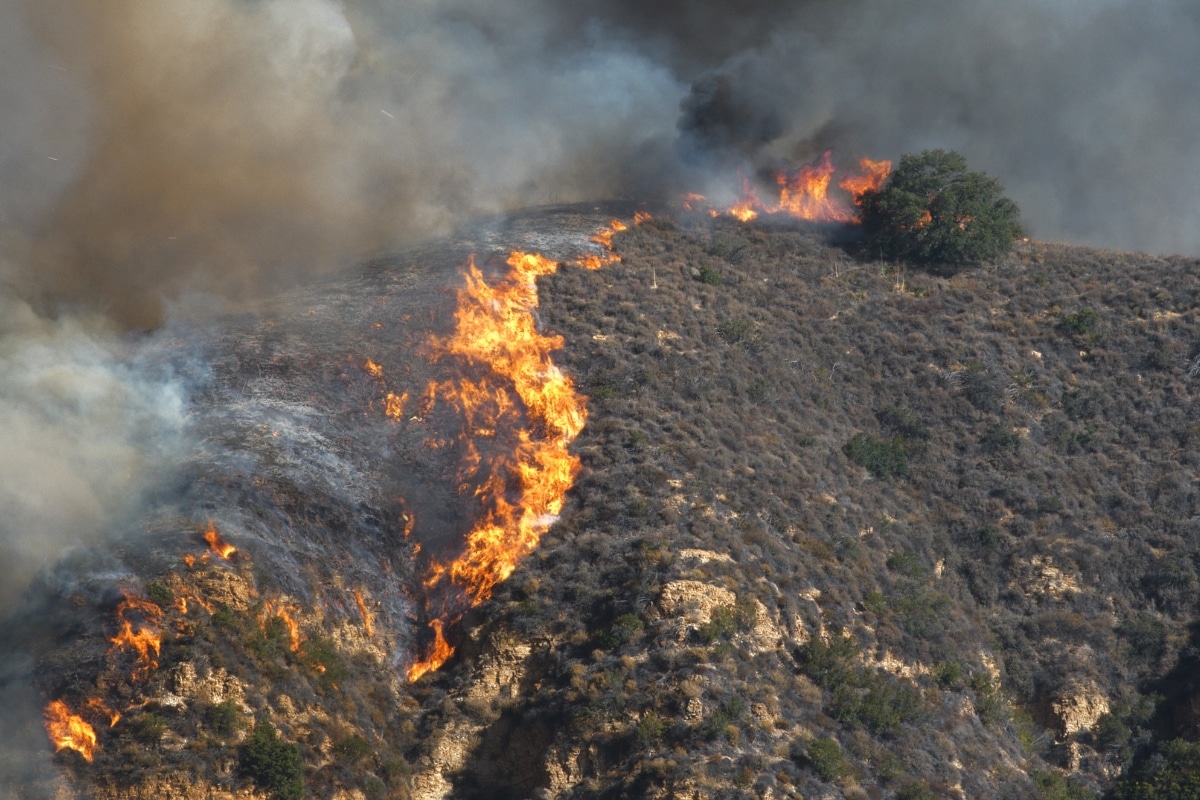
Extreme heat can pasteurize the top layers of soil, killing fungi and other organisms that plants rely on to access water and nutrients. Fires also burn homes and cars and leave behind a second problem. The melted pipes, wiring, and electronics release toxic metals like lead and arsenic and a class of oily compounds called polycyclic aromatic hydrocarbons into the ground. These are some of the hardest fire pollutants to clean up.
The nonprofit CoRenewal has spent the past several years testing fungi on burn scars from some of California’s largest wildfires, including the CZU Lightning Complex, the Oak Fire, the Glass Fire, and the LNU Lightning Complex fires. Its crews build myceliated wattles, which are mesh tubes packed with mycelium, and lay them across burned slopes to catch and break down toxins as the rain washes through them. The group is still gathering data and comparing runoff from wattles that contain fungi against wattles that don’t, to measure how much the fungi actually remove and how well the mycoremediation project did.
One approach pairs fungi with plants, because each one can handle different kinds of pollution. At the Centre for Applied Ecological Remediation, mushrooms are used to break down oily petrochemicals while the plants pull metals up out of the soil through their roots. The team ran a one-year study at three polluted Los Angeles sites, including an old railyard called Taylor Yard that had sat oil-soaked and lifeless for decades.
In three months, the fungi cut the diesel, gasoline, and PAHs by more than half, and the plants pulled lead and arsenic out of the ground. These results have been shared publicly and covered widely, but as of 2025, they have not yet been peer reviewed. The Centre has also started using the same method on soil from the 2025 Los Angeles fires, which burned more than 37,000 acres and destroyed over 15,000 buildings.
The obstacles to this method are largely practical. Testing the soil to find out which fungi and plants will work at a given site is expensive. And fungi need steady moisture to establish themselves, which is hard to guarantee in the fire-scarred, drought-prone ground where this work is being done.
A 2021 study found that fire-loving fungi don’t just break down pollution, but can also help burned soil hold together better. The team isolated three pyrophilous fungi from burn sites (Geopyxis carbonaria, Pyronema omphalodes, and the morel Morchella septimelata), grew them, and added them to sterilized burned soil. Within 10 days, soil with the fungus in it was clumping up to 30 percent more than soil without. By binding the soil, the fungi reduced the amount of erosion and helped it hold moisture right when new plants were trying to sprout.
Breaking Down Plastic
Yale University
In 2011, a group of Yale University students on a class expedition to Ecuador’s Amazon rainforest collected plant samples from Yasuni National Park. They screened the fungi inside the plants to check for useful properties. They found two isolates of a fungus called Pestalotiopsis microspora, which were unusual in their ability to grow on polyester polyurethane, a common plastic used in shoes, foam, and garden hoses. The fungus lived on the plastic alone, using it as its only food source. It could even do this without any oxygen, which is rare for a plastic-eating organism. This means the fungus could potentially work in a landfill, where there is little or no oxygen, and mycoremediation could be a good solution.
Since then, researchers have confirmed that other fungi in the same genus can break down polyurethane and have begun to identify the enzymes responsible. Most large-scale application ideas, such as growing fields of the fungus or adding it to trash compactors, are still conceptual and not yet real.
Spokane, Washington
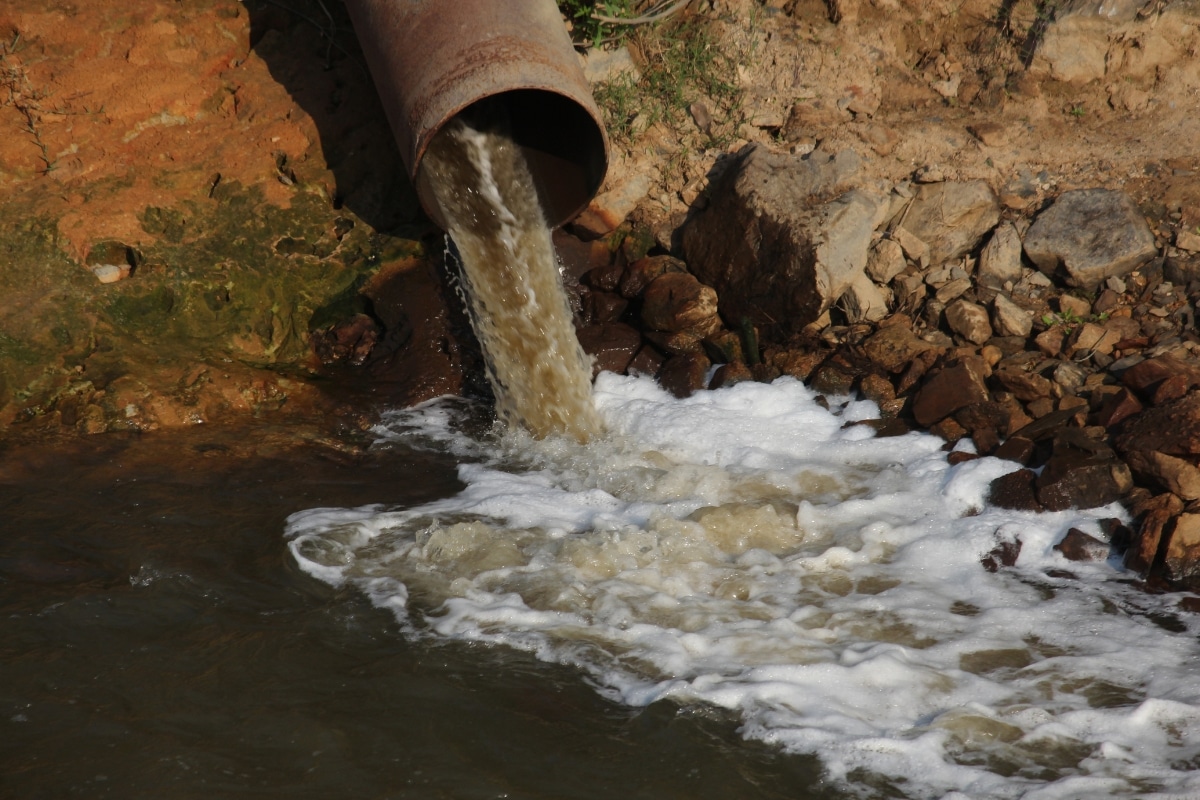
Some of the hardest pollutants to clean up are PCBs, a family of industrial chemicals banned in 1979 and linked to cancer. They are especially bad because they rarely break down on their own. In a one-year study in Spokane, Washington, researchers grew eight strains of fungi in sludge scooped from city storm drains. The goal was to see whether the fungi could survive the pollution and break down the PCBs in it. All eight fungi survived, and the concentration of the larger, more harmful PCB molecules dropped. The researchers thought the fungi were splitting big PCB molecules into smaller ones, which could explain why levels of some smaller molecules went up at the same time.
Removing Pharmaceuticals
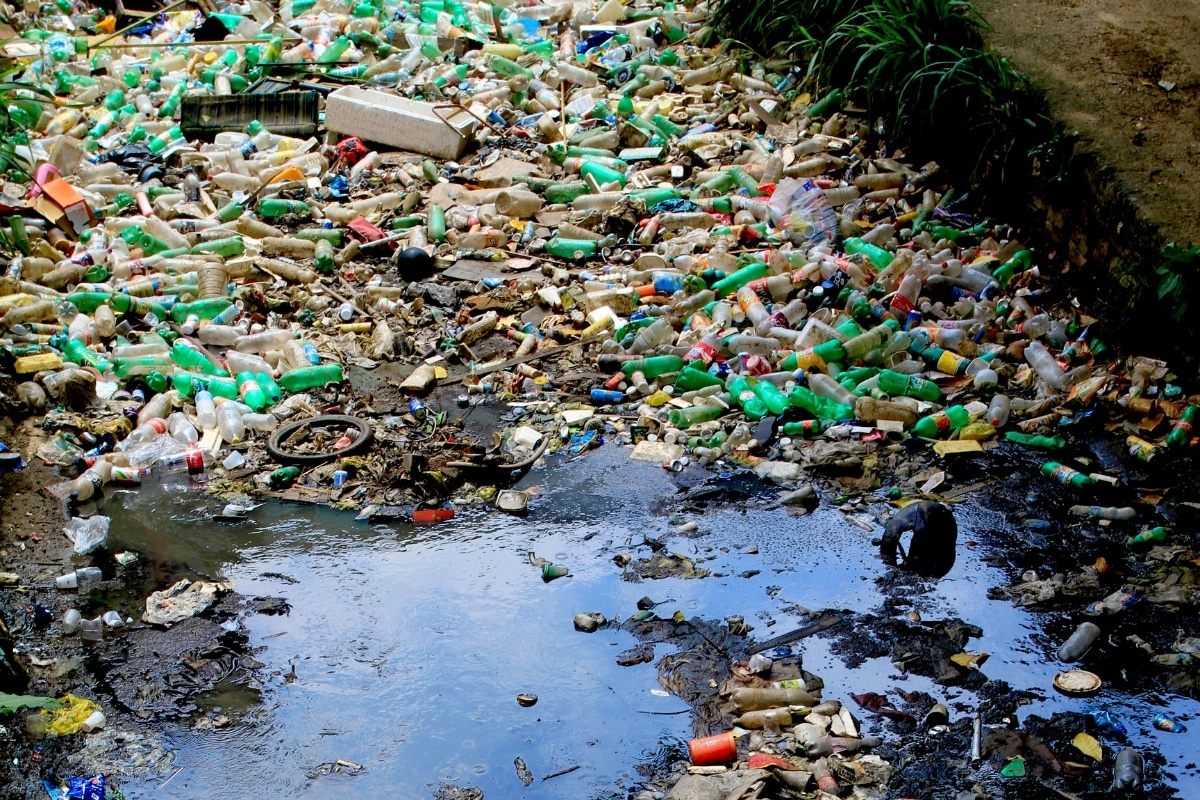
Fungi have been tested for their ability to clean up drug-laden wastewater from hospitals. The current treatment process allows many pharmaceutical compounds to pass through because bacteria can’t break them down. In this research project, real hospital wastewater was run through Trametes versicolor mycelium, better known as turkey tail. Of the 51 drug compounds found in the water, 46 were partly or fully broken down, and the treated water carried much less drug compounds in it than before. Painkillers and anti-inflammatories made up the largest share of the drugs in the water, and the fungus handled some of them better than others.
Breaking Down Construction Debris
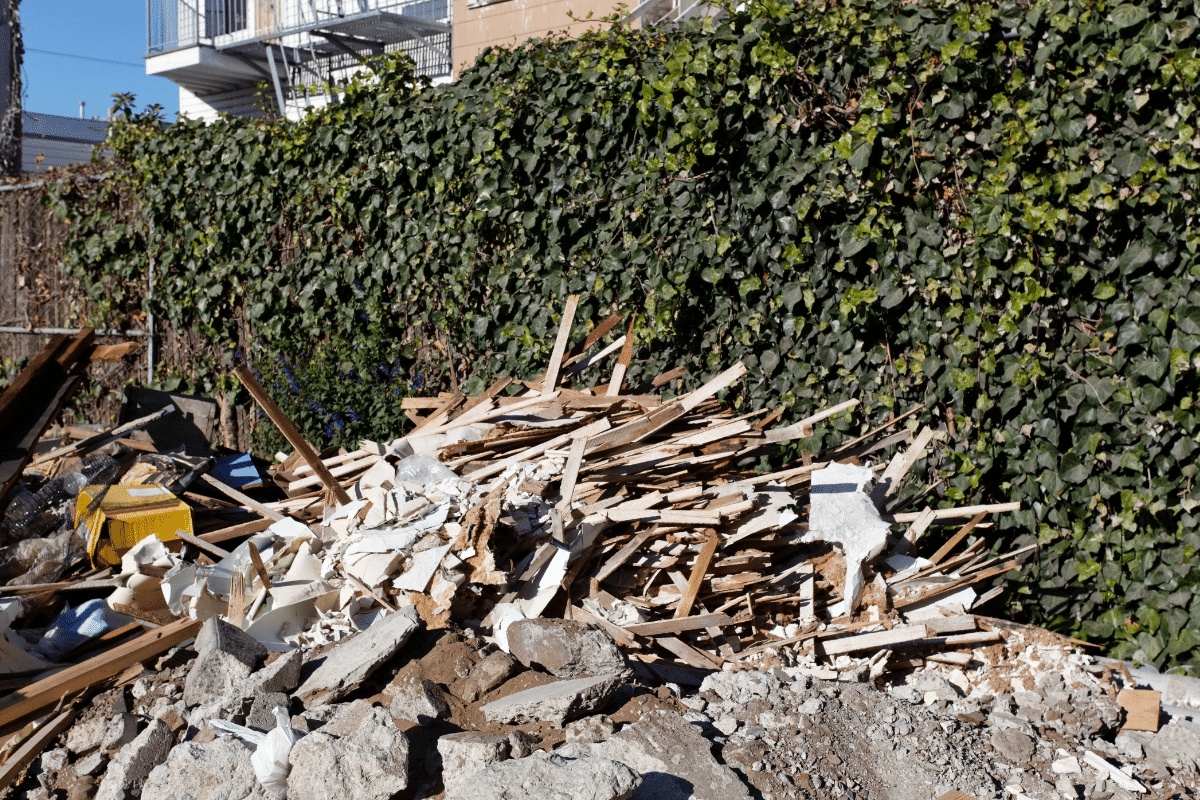
A Chicago-area company called Mycocycle is using a bioprocessor to feed construction debris like asphalt roofing shingles, old tires, drywall, rubber, and insulation to fungi. Over about two weeks, the fungi break down and detoxify the material (asphalt shingles, for example, are full of petroleum-based hydrocarbons). Then, the fungi are killed off and what’s left is turned into lightweight, fire-resistant building products. In one demonstration, the company grew its fungi on scrap drywall from a Meta data center construction site.
Fungi and Radiation
Radioactive pollution poses a harder problem than oil or pesticides, because radioactive materials cannot be broken down. No enzyme can neutralize a radioactive atom the way one can split a fuel molecule. The only thing a fungus can do is pull the radioactive particles out of the soil and hold them.
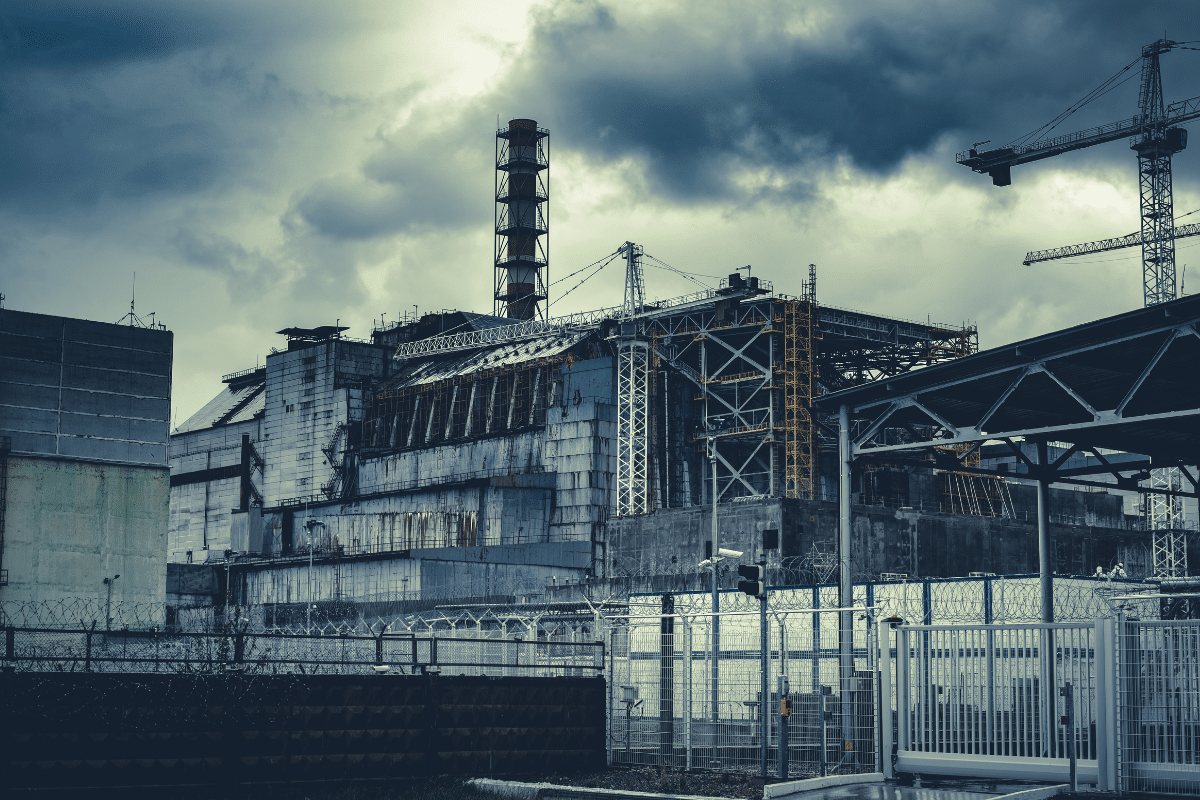
After both the Chornobyl and Fukushima nuclear accidents, scientists found that certain wild mushrooms soaked up radioactive cesium 137 from the forest floor and concentrated it in their fruiting bodies. This is the same bioaccumulation process fungi use on lead and mercury.
This has led researchers to propose fungi and mycoremediation as a way to pull radioactive material out of contaminated ground. The idea has limits, though. The fungus does not destroy the cesium. It only collects it, so the contaminated mushrooms would have to be harvested and disposed of to actually remove anything. Studies at Fukushima found that the cesium tends to keep cycling through the fungi and soil rather than staying in them indefinitely.
Electronic Waste
A research center in Finland, called VTT, built a filter out of mushroom mycelium mats and used it to pull gold out of crushed-up cellphone scrap. The team first dissolved the metal out of the crushed electronics, then ran that liquid through the fungal mats, and the gold stuck to the fungus. This pulled out as much as 80 percent of the gold, compared with only 10 to 20 percent that is usually pulled out using the usual harsh chemical methods.
Mycoremediation Continuing Research
The Search for a PFAS Solution
PFAS (Per and polyfluoroalkyl substances, also called forever chemicals) are some of the hardest pollutants to break down because of the strength of the bond between their carbon and fluorine atoms. Susie Dai, a researcher at Texas A&M AgriLife Research, found that a species of white rot fungus called Irpex lacteus removed more than 98 percent of one type of PFAS and more than 99 percent of another within two weeks in laboratory tests.
The study paired the fungus with a plant-based filter material made from lignin and cellulose to create a unique mycoremediation setup. This material traps PFAS molecules first, and the fungus then breaks them down while also consuming the filter material itself. Researchers are still working out whether the fungus fully breaks the chemicals down into harmless byproducts or leaves some partial fragments behind.
The same lab is investigating ways to break down microplastics, the tiny plastic fragments that are now in water almost everywhere. In a 2023 study, a team screened a library of 230 fungal strains and picked three that grew fast and clumped together well. Two were newly discovered white rot fungi, and the third was Aspergillus niger, a common black mold.
When these fungi grow in water, their mycelium bundles into small round pellets. The microplastic particles stuck to the surface of those pellets, and once the plastic was bound up this way, the whole pellet could be scooped out of the water. Aspergillus niger removed 100 percent of the tested plastic particles, and some were as small as 200 nanometers wide (that’s several times thinner than a strand of hair).
Science vs. Practicality
Plenty of things work in a lab and then fall apart in the real world, and mycoremediation is no exception. At an actual contaminated site, fungi run into problems that never come up in a controlled setting. The soil’s pH, moisture, temperature, and texture all affect how well the mycelium spreads and how much of the pollutant it can reach. If there is dense clay, it restricts how far mycelium can grow. And, pollutants that have been in the soil for years can become bound to soil particles in ways that are harder for fungal enzymes to break apart. The old, bound-up pollution is much harder to reach than a fresh spill. Also, the introduced mycoremediation fungi can be outcompeted by native soil bacteria and fungi already living at a contaminated site.
Some researchers are investigating ways to boost fungi by genetically engineering them so they can break down pollutants faster or survive harsher conditions. This work rarely makes it out of the lab, though. Releasing a genetically modified organism into open soil or water raises safety and legal concerns, since a modified fungus could spread or behave in ways that are hard to predict once it is loose in the environment. Strict regulations limit that kind of release, so most engineered strains never get tested in the field, even when they perform well in the lab.
Common Questions About Mycoremediation
Is mycoremediation actually used in the real world, or is it just an experiment?
Both. Fungi have cleaned up real contaminated sites, including diesel-soaked soil in Bellingham, Washington, and farm runoff carrying bacteria. But most work is still small-scale or in the testing stage. The field is growing, but it is not yet a standard cleanup method.
Can you eat the mushrooms that grow on a polluted site?
No. Fungi that pull metals or other toxins out of the ground store those toxins inside themselves, so a mushroom growing on contaminated soil can have dangerous levels of lead, mercury, or other pollutants, even if it looks perfectly normal. The mushrooms from a cleanup site are treated as hazardous material, not food.
How long does mycoremediation take?
It depends on the pollutant and the conditions, but it is usually a matter of weeks to months. In the Bellingham diesel trial, most of the fuel broke down within about 16 weeks.
Does mycoremediation get rid of the pollution completely?
Sometimes, but not always. When fungi break a pollutant apart, like oil or certain pesticides, the harmful molecule is turned into smaller, usually less toxic pieces. When fungi soak up metals or radioactive particles instead, nothing is destroyed. The pollutant is just collected inside the fungus, which then has to be gathered up and disposed of to actually remove it from the site.
What kinds of pollution can fungi clean up?
A wide range. Fungi have been tested on petroleum and diesel, pesticides, industrial dyes, heavy metals like lead and cadmium, plastics, drug residues in wastewater, PFAS “forever chemicals,” and even radioactive particles. No single fungus does all of this, though. Different fungi work on different pollutants, so a lot of the work is matching the right fungus to the right site.



Leave a Reply