
Mushrooms and fungi aren’t the same, even though the words are often used interchangeably. The words get swapped around constantly, but understanding the difference between a fungus and a mushroom is pretty simple and worth knowing. It won’t change how you forage, but if you ever want to do a deep dive into the fungal kingdom, the difference is important.
What Are Fungi?
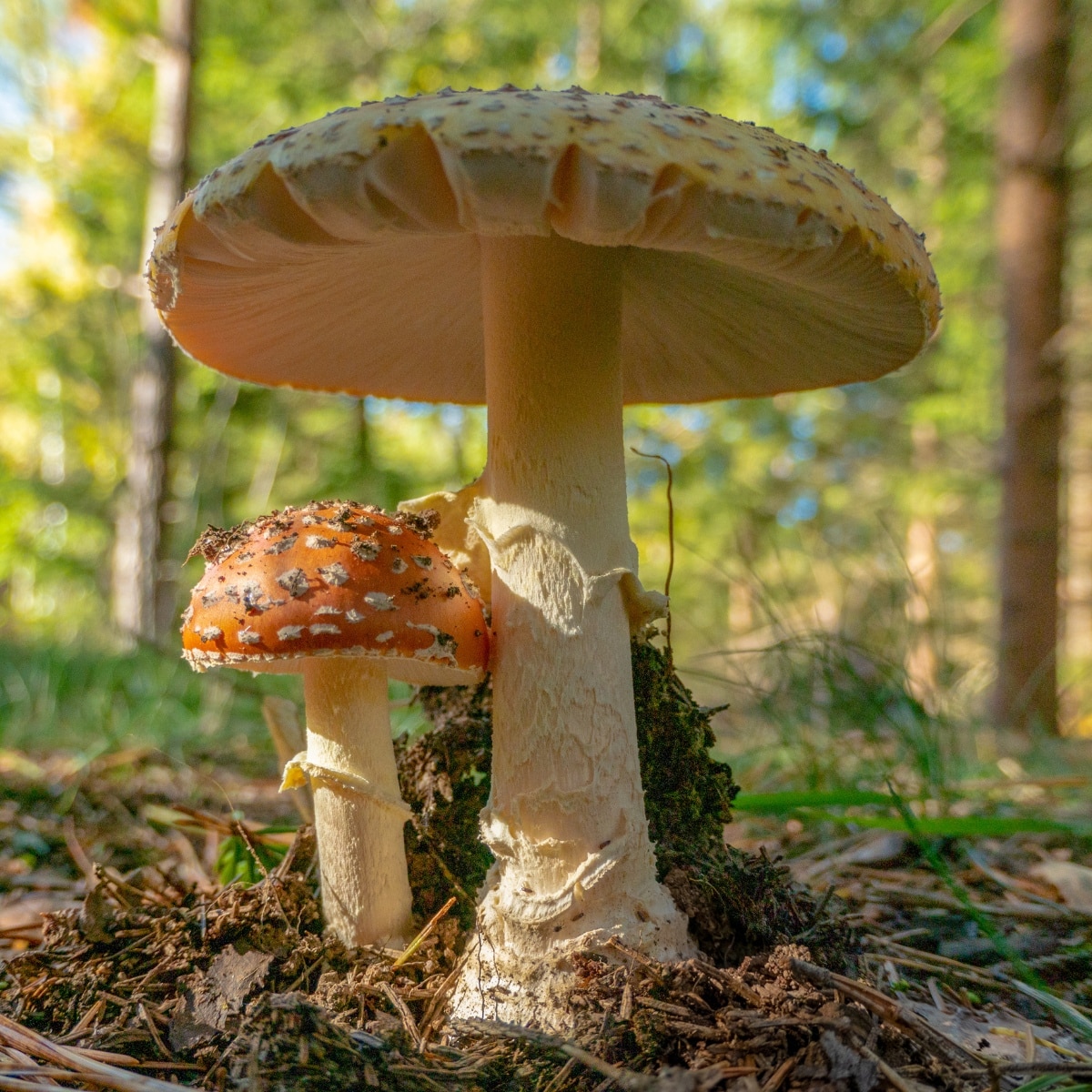
Fungi aren’t plants or animals; they are their own thing, although they do have some things in common with both. Fungi belong to their own kingdom of life. There is the plant kingdom, the animal kingdom, and the fungi kingdom (as well as the bacteria, archaea, and protista kingdoms). The fungal kingdom is enormous, and it includes molds, yeasts, mildews, and mushrooms.
The big thing that sets fungi apart and puts them in their own kingdom is how they eat. Fungi soak up nutrients from whatever they’re growing on. Usually, this is soil, a rotting log, or even a living tree. Each type of fungus has its own favorite food source. They use enzymes to break things down and get to the nutrients. This is remarkably different from how plants eat; they make their own food from sunlight. And animals, of course, eat with mouths and have a digestive system.
What Is A Mushroom?
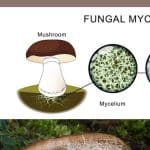
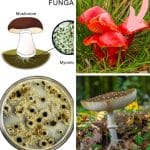
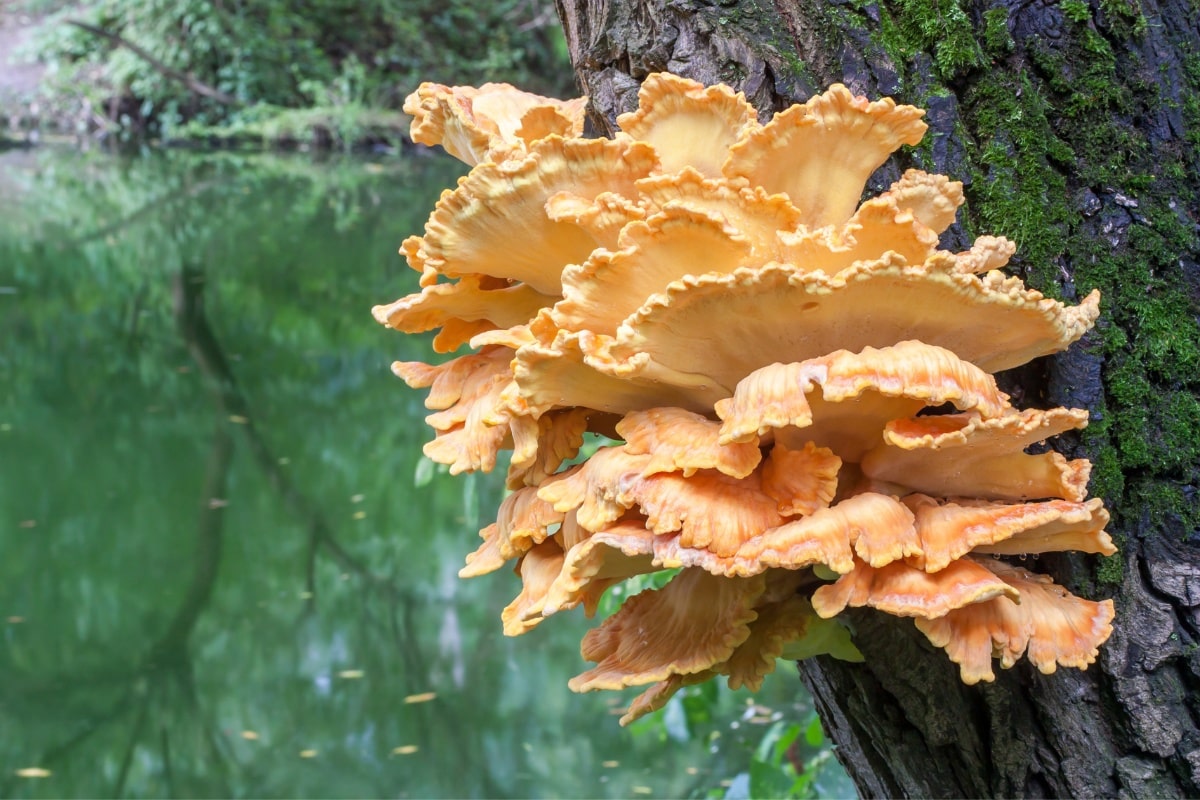
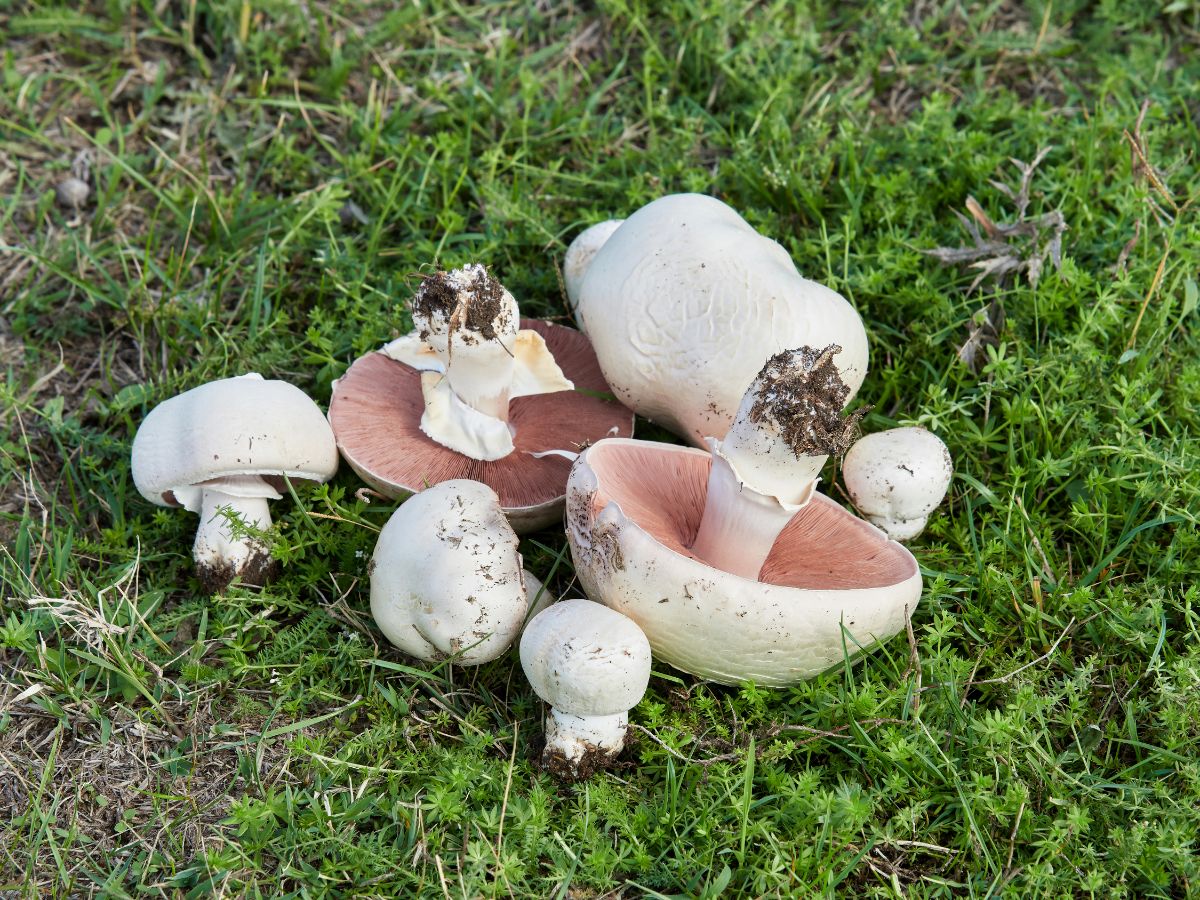
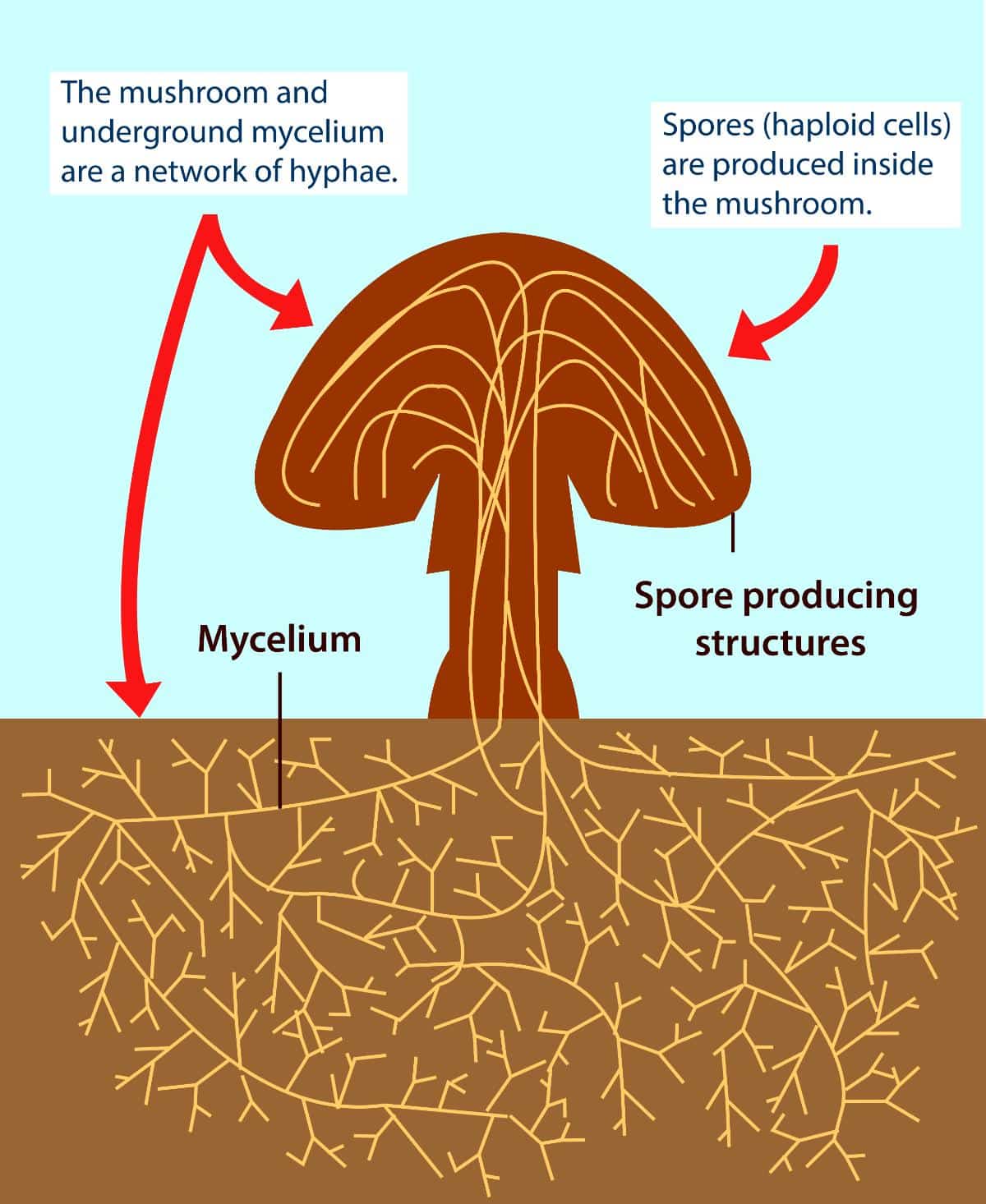
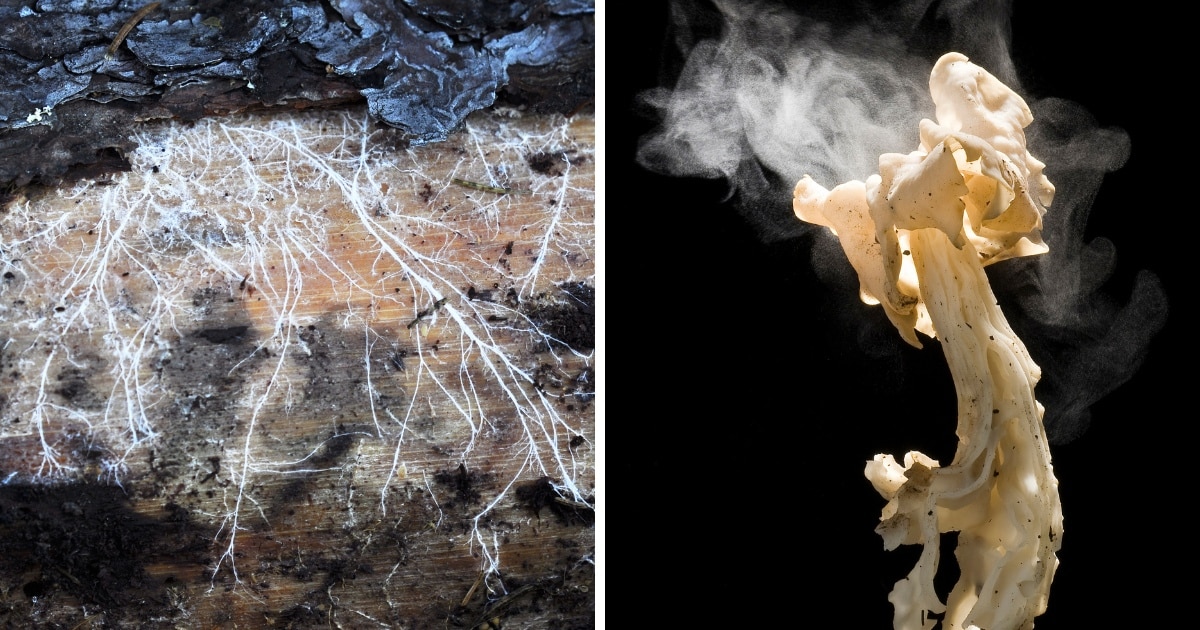
A mushroom is just one part of a fungus— it is the fruiting body. It’s the thing we hunt for in the woods for dinner or to make medicine. And, when you find a mushroom, you’re really only seeing a small part of the whole organism. The rest of the fungus is hidden underground or inside the decomposing wood or living trees. The underground or hidden body is made up of tiny threads called hyphae, which make up a larger network called mycelium.
Calling a mushroom a fungus is kind of like calling an apple a plant. The apple is just the fruit. The whole organism is called an apple tree, and that includes its roots, trunk, branches, and leaves, plus the fruit. In the same way, a mushroom is just the part the fungus sends out to spread its spores. The rest of the fungus is out of sight, tucked away in soil, wood, or leaf litter.
Here’s where it gets a little confusing. Not every fungus makes mushrooms. Molds just send out spores from fuzzy threads — they don’t need to create a fruiting body. Yeasts are single-celled and multiply by budding off new cells.
Overall, the word ‘mushroom’ is used pretty loosely. Encyclopædia Britannica says a “mushroom” refers to edible fungi with a cap and stem. And, on the opposite end, a “toadstool” is anything poisonous or suspicious-looking. In reality, there is no scientific difference between these two words — both refer to the same thing: the fleshy fruiting body that many fungi produce to release their spores.
Does The Name Matter?
But does it matter if you call everything a mushroom? Does the difference between a fungus and a mushroom mean anything for the common forager? In everyday use, not really. You can use the word mushroom for many fungi, and no one will bat an eye. Will it always be 100% accurate — probably not. But unless you’re working on your mycology degree or doing laboratory testing on fungi, there’s no need to be pedantically precise. For the casual mushroom forager, the definitions and differences are important to know, but generally, it’s fine to call all fungi in the forest mushrooms.
In summary, all mushrooms originate from fungi, but not all fungi produce mushrooms. Fungi represent an entire biological kingdom, whereas mushrooms are just one component of the fungal life cycle, like the fruit on a tree.
Curious about the lifecycle of mushrooms? Check out our article The Mushroom Lifecycle: A Beginner’s Introduction To How Mushrooms Grow
Leave a Reply