



If you’ve ever thought about foraging or eating chicken of the woods mushrooms, you’ve probably heard the warnings about which tree it grows on or its general propensity for making you sick. These warnings are repeated in nearly every foraging guide, online mushroom group, and discussion about this species. Cook it thoroughly, eat only a small amount the first time, and, above all, avoid chicken of the woods growing on yew, eucalyptus, or conifer trees.
There are documented reports of chicken of the woods mushrooms causing gastrointestinal problems, and worse, but what is actually going on? Are the warnings legitimate, and what is the documentation and scientific basis for them?
Jump to:
What Does A Reaction To Chicken of the Woods Look Like
The reported symptoms of chicken-of-the-woods poisoning range from mild to severe. In mild cases, people report a tingling sensation in the lips or mild stomach upset. In the more severe cases, there is vomiting, fever, sweating, raised pulse, and disorientation.
These symptoms usually happen within 2-4 hours after eating the mushrooms. The reaction is slightly delayed but not by much, especially when compared with other mushrooms that might have symptoms that don’t show up for 2 weeks! In general, if you are going to have a reaction, it will happen soon after eating these mushrooms.
Chicken of the Woods Poisoning Symptoms:
- Tingling in lips
- Stomach issues
- Vomiting
- Fever
- Sweating
- Chills
- Dermatitis
- Disorientation
- Blueish skin (cyanosis)
- Raised pulse
- Hallucenations
- Uncoordinated movements
There’s a documented case in the UK from 2004 when 60 journalists ate sauteed chicken of the woods (Laetiporus sulphureus, the “primary” species), mushrooms that had been collected the day before from an oak in prime condition. About 30 minutes after eating the cooked mushrooms, six of the 60 journalists became violently ill. They had vomiting, cyanosis, sweating, cold extremities, and an elevated pulse. The doctor on hand diagnosed it as a severe allergic reaction. The symptoms subsided after about two hours, then mostly disappeared. The other 54 journalists had no symptoms at all.
How Often Does Chicken of the Woods Poisoning Happen?
The frequency of reactions is hard to pin down. A number that gets repeated often is that 10% of people who eat chicken of the woods have a reaction, but this number is problematic. The percentage is from a single attribution that hypothesized that 10% of people who ate chicken of the woods mushrooms suffered severe reactions. The was no trial or study, though. Later articles embellished the 10% by adding in that studies were done and stating it as fact, and that has persisted to this day as something that is true. It is in the Wikipedia article for chicken of the woods, with a source that does not support the claim, but since it is there, it is essentially canon and gets quoted and repeated often.
People around the world have and still do eat this mushroom with great regularity, and it is highly prized. And while there are reports of poisonings, they are infrequent in comparison to how often the mushroom is foraged and eaten.
The estimate from experts is that probably over 90% of people can eat chicken of the woods mushrooms without issue. This keeps with the 10% frequency figure (and may be related to it…), but again, it is just an estimation. There is no peer-reviewed study establishing a sensitivity rate.
The Known Numbers
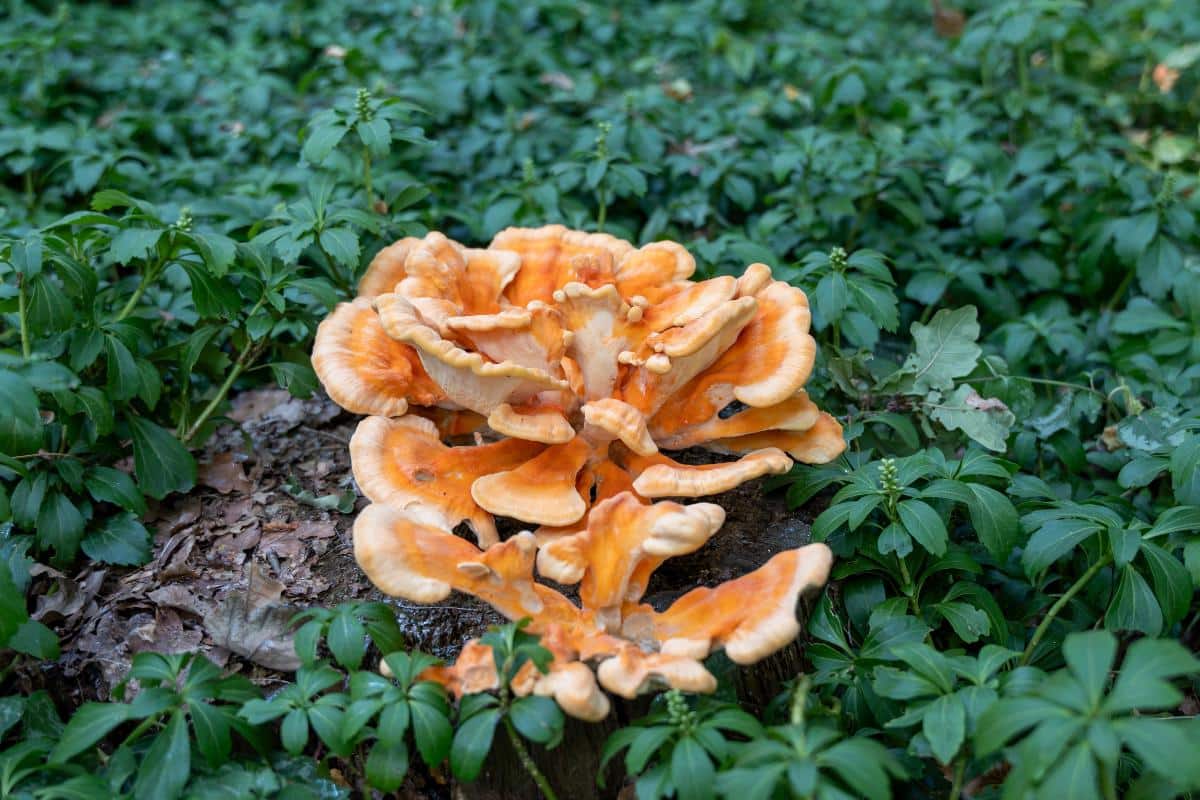
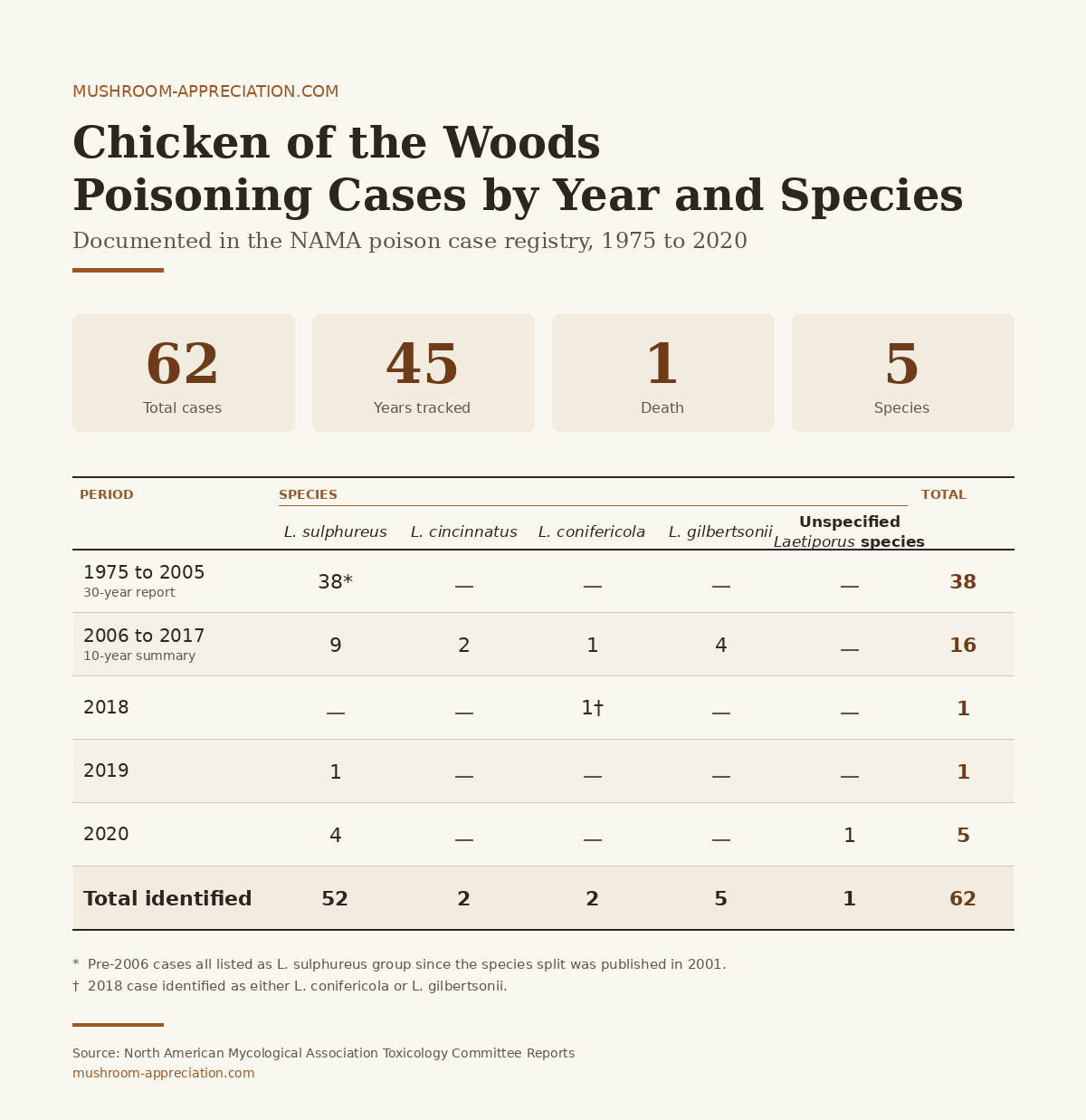
Over roughly 45 years of tracking by NAMA (the North American Mycology Association), approximately 62 cases of chicken-of-the-woods poisonings have been reported. NAMA estimates it captures about 10% of symptomatic mushroom poisoning cases, so the real number of reported chicken of the woods reactions in North America may be closer to 600 over that period. That is still a tiny fraction relative to how often the mushroom is eaten.
Of the 62 documented cases, 1 death has been recorded. A woman died 19 hours after eating a small amount of, what was described as, chicken of the woods. Four other people who ate the same meal had no symptoms at all. This is the only death in the NAMA registry attributed to chicken of the woods.
The hardwood growing L. cincinnatus also caused major issues for several people. Their symptoms included a red and puffed face, rapid pulse, difficulty walking for 2 days, and difficulty breathing for 4 days. This chicken of the woods is an eastern hardwood species, so it doesn’t fit the dangerous trees narrative.
There are several cases involving people who had safely eaten chicken of the woods mushrooms previously, but then got sick. And, there are also several reports of people getting sick after freezing the mushrooms, then cooking them later.
The range of symptoms, severity, and association with specific species is extremely varied.
Four Explanations for Sensitivity
There are four leading explanations for why some people react to chicken of the woods mushrooms. These explanations are not mutually exclusive.
Undercooking
The single most important thing to know is that chicken of the woods mushrooms must be thoroughly cooked. It should never be eaten raw, and you must be careful not to undercook it.
The reason for this is not entirely clear. One possible culprit is the Laetiporus sulphureus lectin (LSL). This is a sugar-binding protein that can break apart and clump red blood cells; this damages the cells and cuts down their ability to carry oxygen.
The expected symptoms of LSL are hemolytic anemia: fatigue, weakness, dark urine, etc., but these aren’t the symptoms that people actually report after eating chicken of the woods. And, no one knows if LSL survives cooking, whether it survives stomach acid, or whether it ever reaches the bloodstream.
It may be that chicken of the woods LSL has different symptoms than “normal,” or it could be something completely different. But we do know that chicken of the woods mushrooms can (and likely will!) cause issues if eaten raw or undercooked, so something is happening there.
There are several accounts of people eating chicken of the woods after it has been frozen raw, then cooked. Freezing raw mushrooms may allow bacteria to keep growing, and that can be the cause of the issues. It is not recommended to freeze this mushroom raw; always cook it first.
Older Specimens
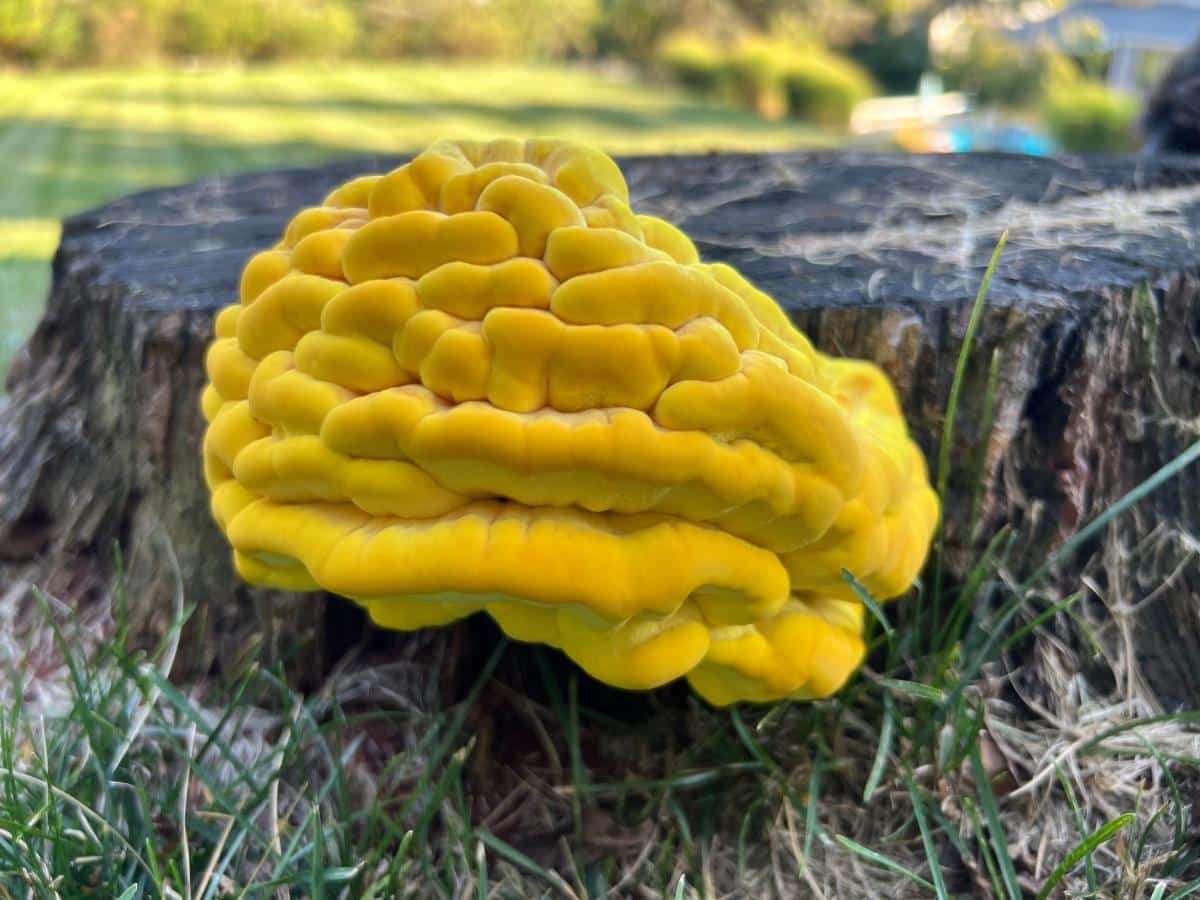
Another reason for gastrointestinal upsets from chicken of the woods mushrooms is widely attributed to old specimens. Older fruiting bodies become woody and chalky and develop a sour taste. Mature mushrooms may contain higher concentrations of compounds (LSL?) that are harder to break down with cooking. The best way to avoid this issue is to eat only the soft brackets of fresh young brackets.
Species Specific Issues
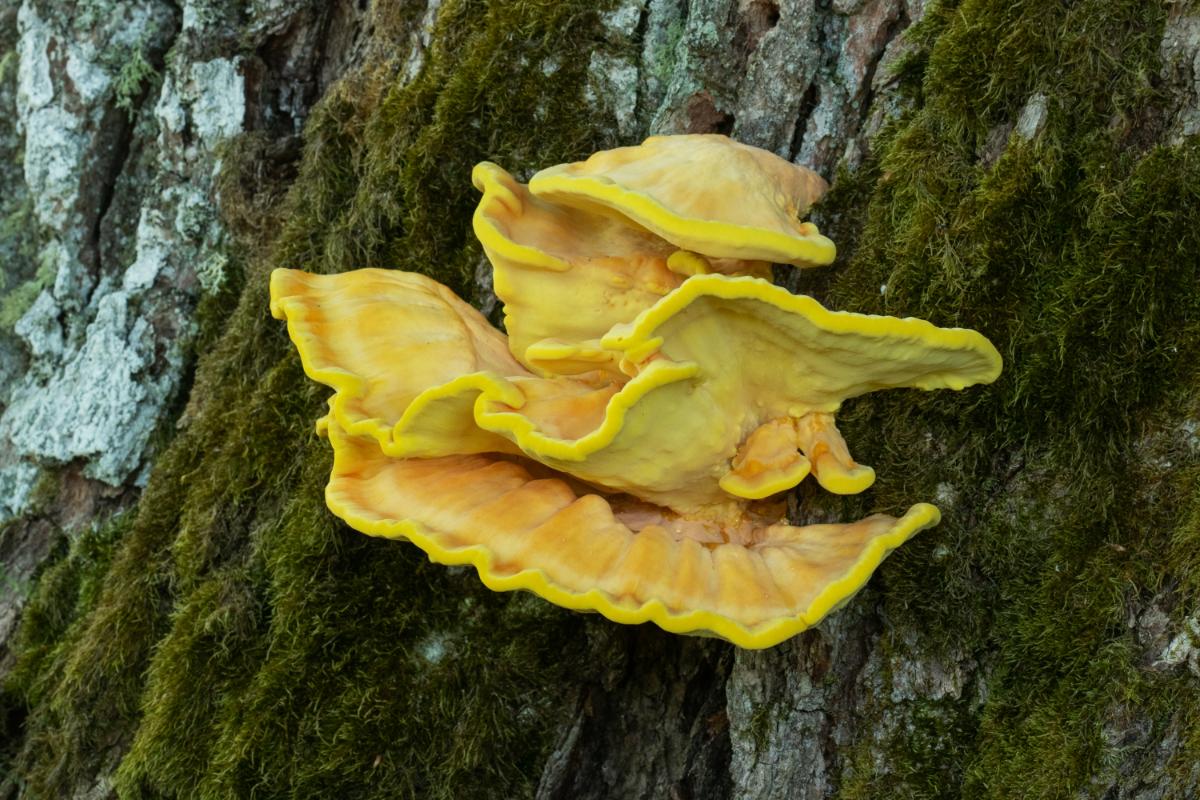
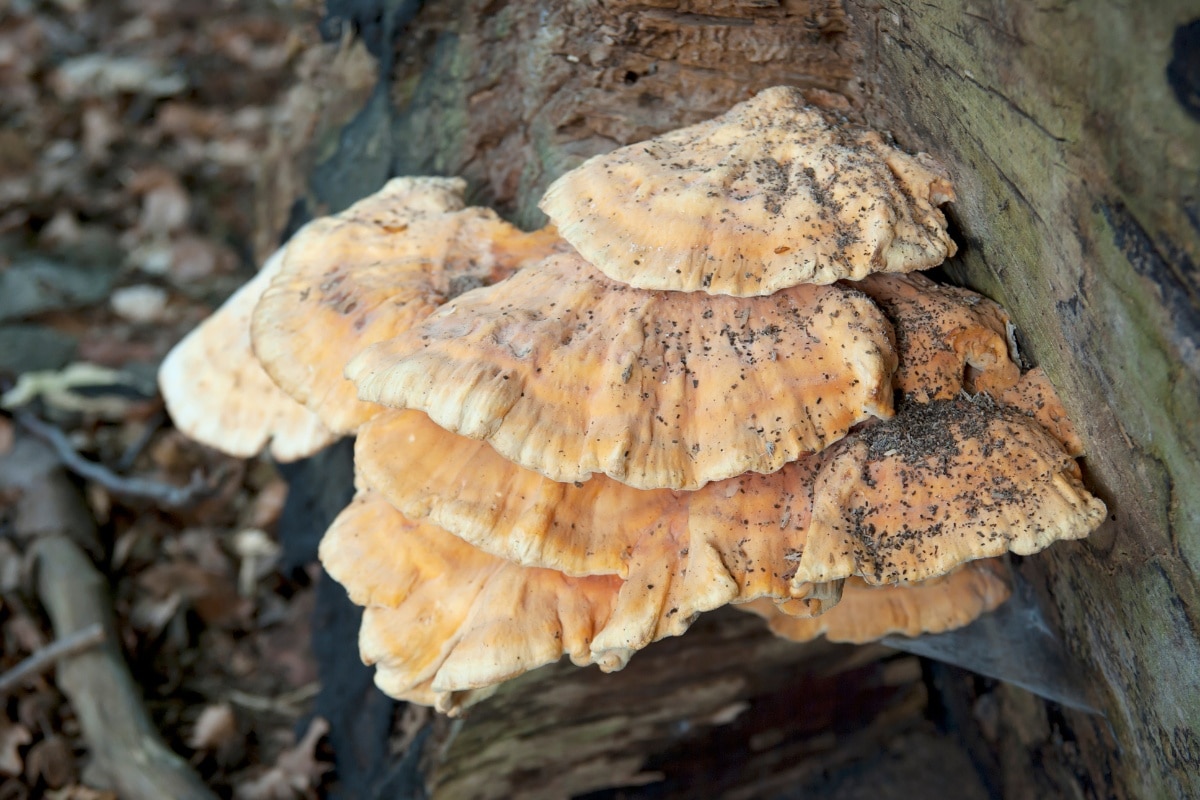
This is the explanation that has gained the most credibility in recent years. Until 1998, all chicken of the woods mushrooms were called Laetiporus sulphureus in North America. However, research done in 2001 established that the North American population is actually a complex of at least five species (Note: most field guides published before 2001, though, still lump them all under L. sulphureus):
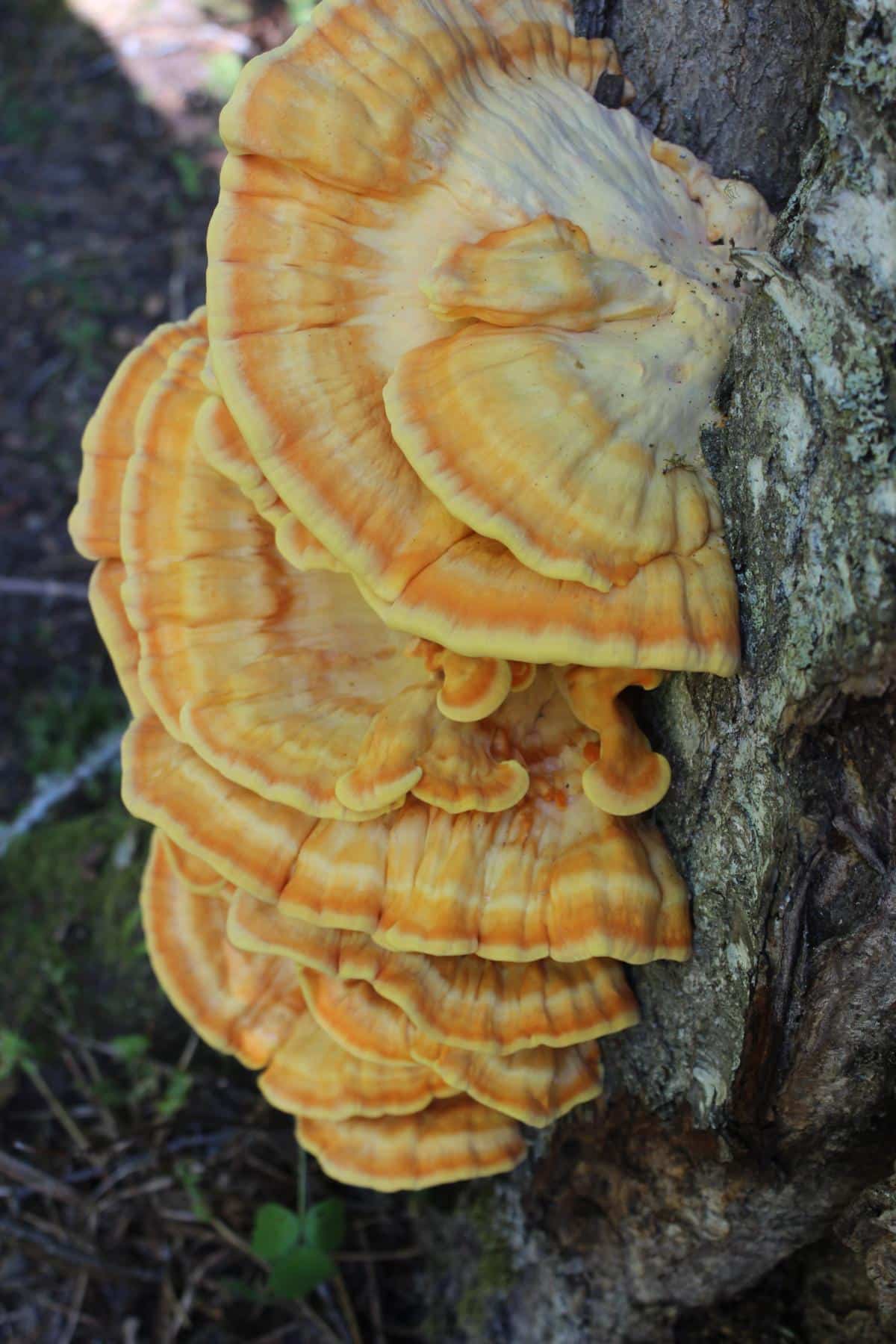
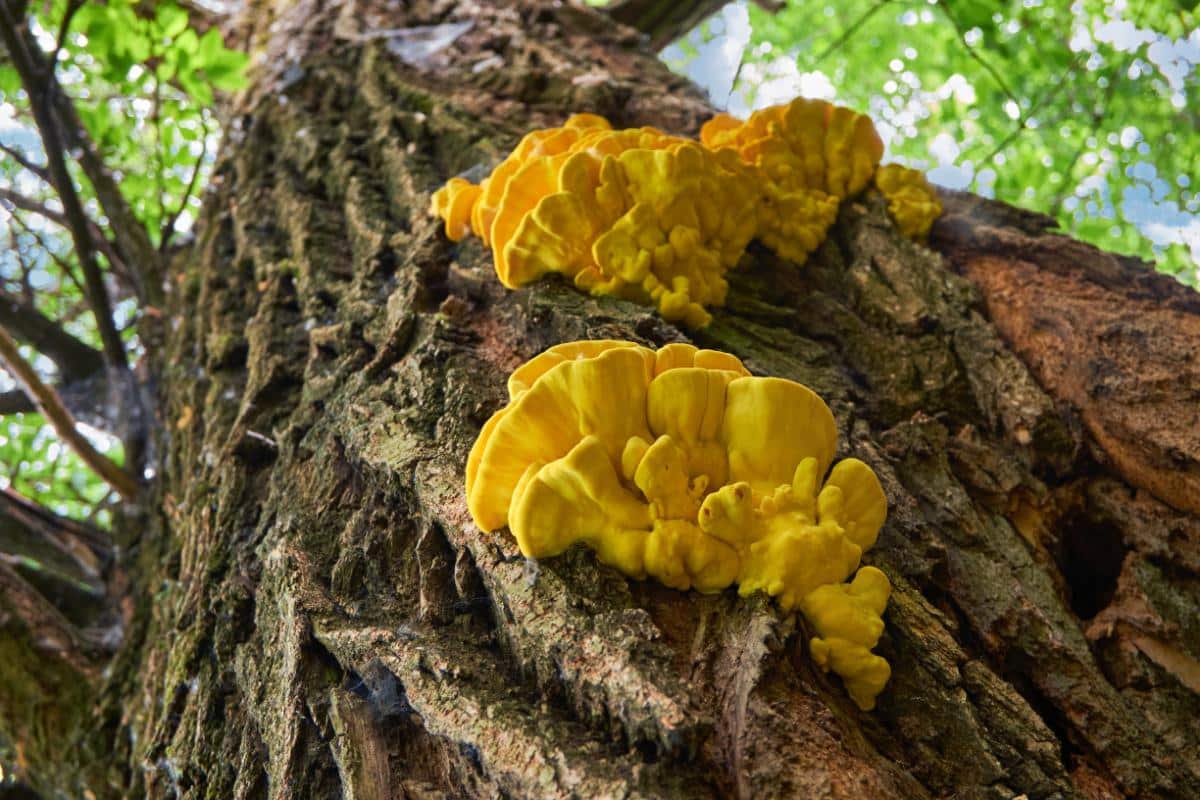
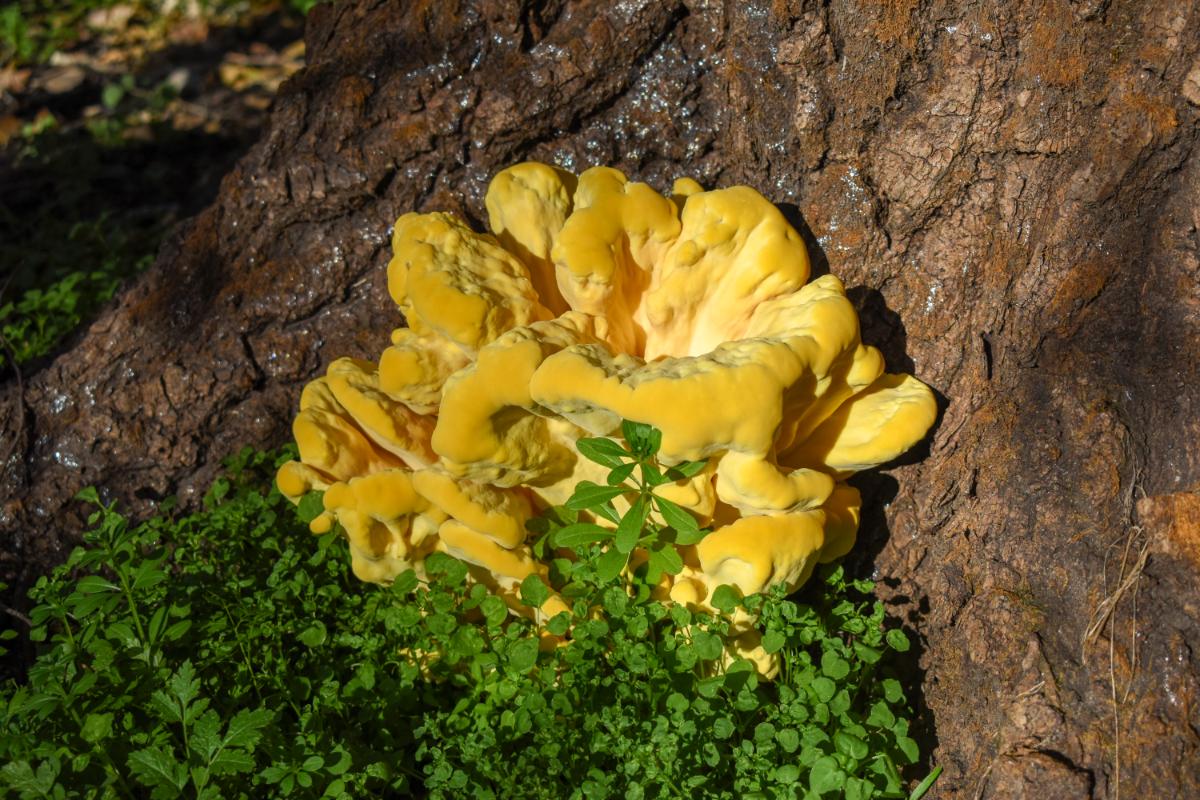
- Laetiporus sulphureus — The classic bright orange-yellow chicken of the woods that grows on hardwood trees in eastern North America.
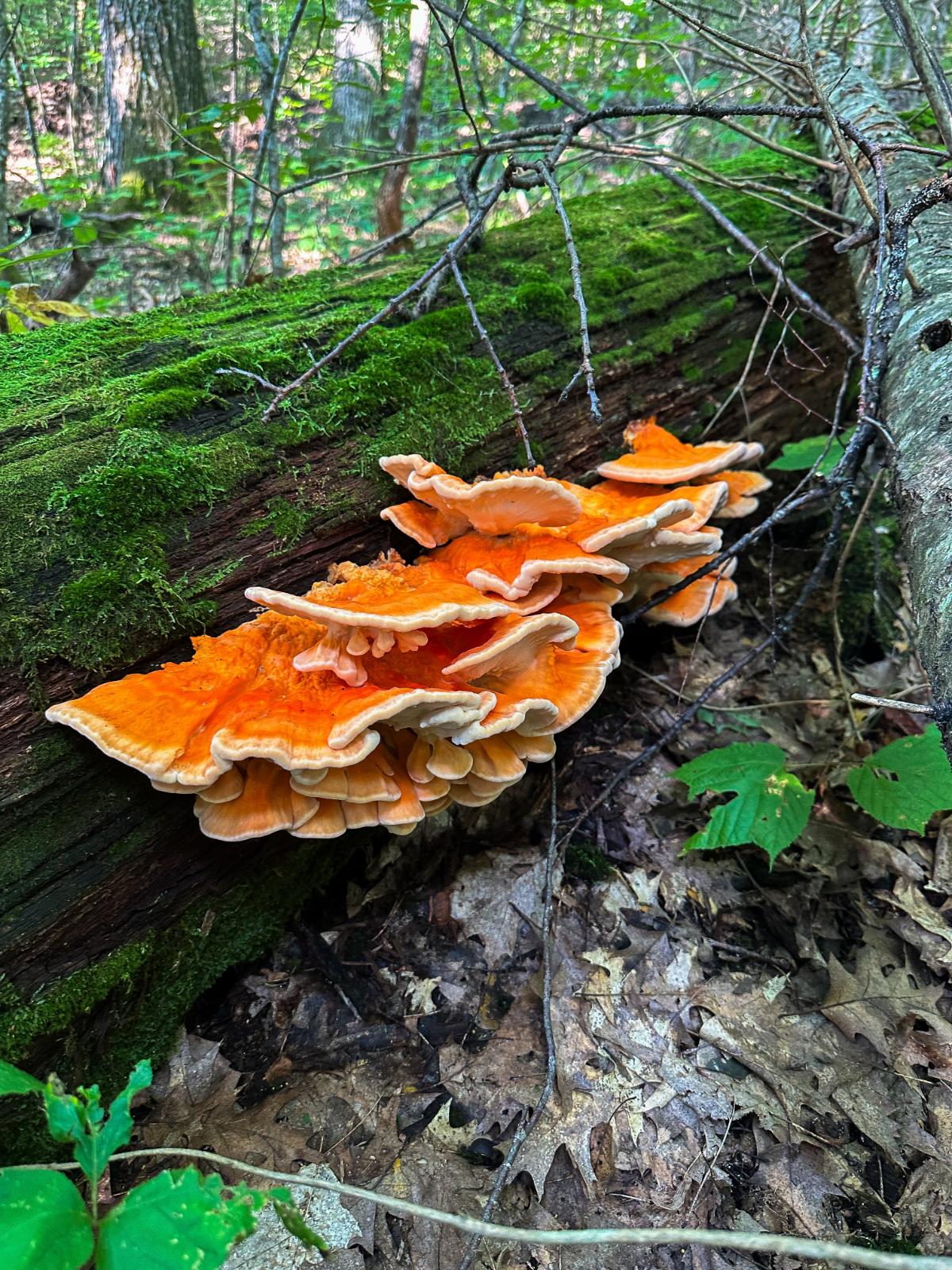
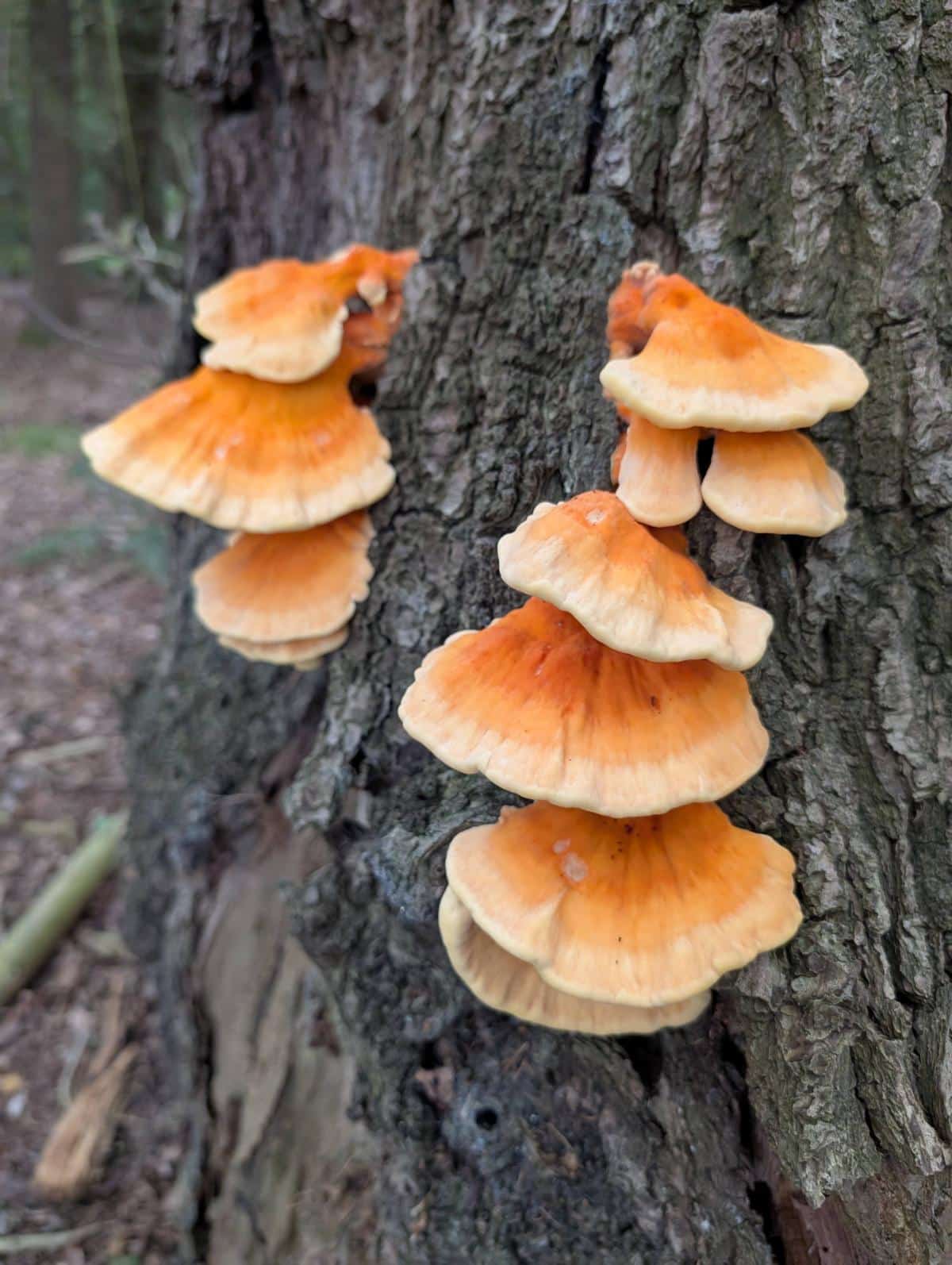
- Laetiporus cincinnatus — The peachy orange chicken of the woods mushrooms that grow east of the Great Plains on oak trees.
- Laetiporus huroniensis — A classic orange-yellow chicken of the woods mushrooms that grows in the northeastern United States and northern Midwest on conifer.
- Laetiporus conifericola — This bright orange-yellow chicken of the woods ranges from California to Alaska, and it grows on conifer trees.
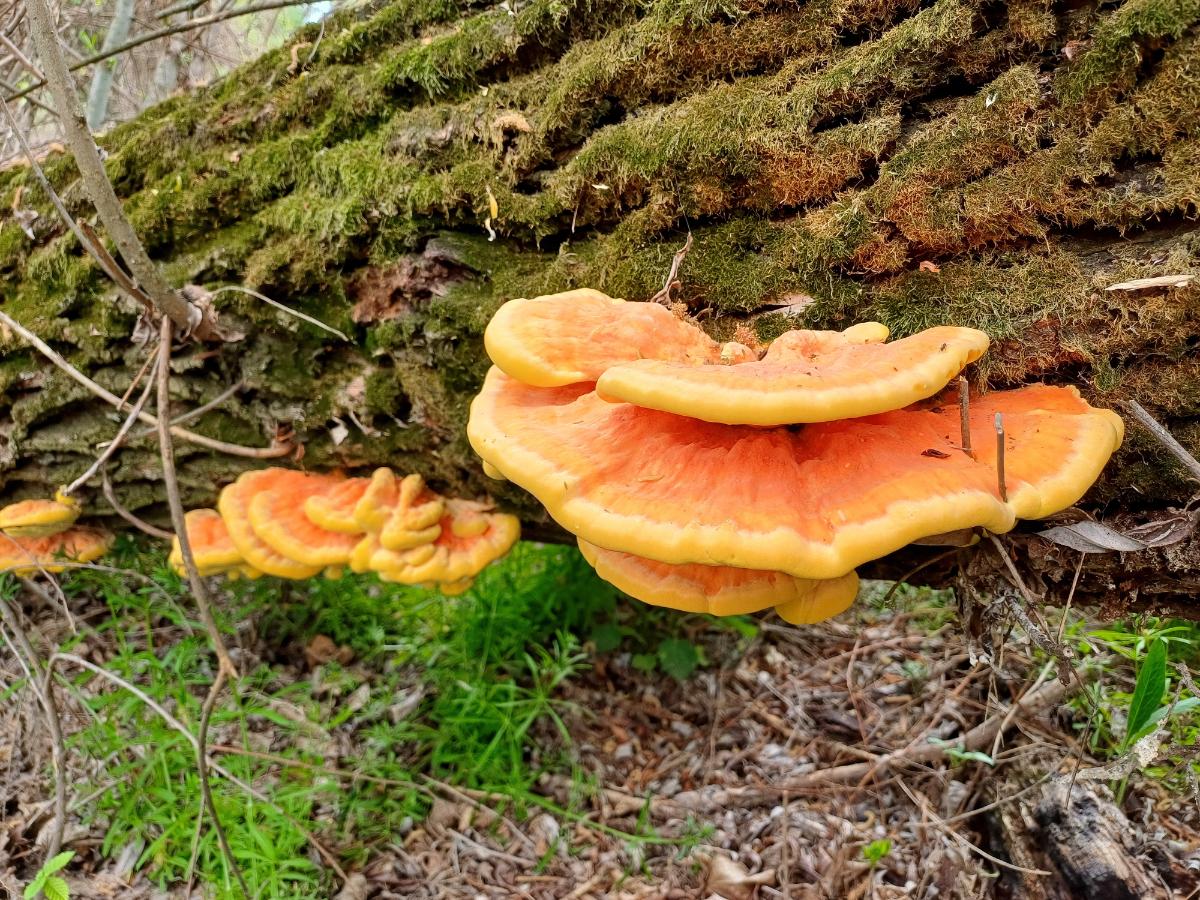
- Laetiporus gilbertsonii — The classic bright orange-yellow chicken of the woods that is found on oak and eucalyptus trees on the West coast and in the southwestern United States. A variation of this species (L.gilbertsonii var. pallidus) with white pores grows along the Gulf Coast.
What this means is that it is possible that just one or two of the 5 species are causing the issues, and the others are fine. It does seem that the conifer-lovingL. huroniensis causes more issues than the true L. sulphureus. And, L. gilbertsonii on the West Coast is also more commonly linked to poisonings (this is more anecdotal as there aren’t a lot of official documentations, but it is widely known from online forums and unofficial reports). If those two species are systematically more likely to cause reactions, then a portion of historical “chicken of the woods made me sick” reports may have involved these specific species.
However, Laetiporus sulphureus, which grows on hardwoods, is also known to cause issues, as with the UK incident mentioned earlier. There was no mix-up of species there, and it was the “true” L. sulphureus, growing on an oak tree, that made people sick. It’s possible all chicken of the woods mushrooms have the potential to make a person ill, regardless of exact species, and there are other factors that determine the likelihood of this happening that are not species or tree related at all.
Individual Allergy
Some people have reactions to chicken of the woods, just because they themselves are allergic. This can happen with any mushroom species, just as it happens with other foods like peanuts, coconut, chocolate, and tomatoes. Some of these are less common, but they do occur and are linked to an individual person’s immune system.
It is also possible to develop reactions to chicken of the woods mushrooms after years of eating it without issue. There is at least one reported incident of a forager who ate L. sulphureus from oak and beech without problems for years. The forager then developed identical symptoms on two separate occasions and had to stop eating it entirely. Allergic sensitization can develop with repeated exposure to many proteins, and Laetiporus species contain proteins that have not been fully studied for their allergenic potential.
Tree Species
The advice to avoid mushrooms growing on yew, eucalyptus, conifers, and black locust is almost universal in foraging guides. The reasoning behind this is that the mushroom takes up or absorbs toxic compounds from the tree, and therefore, is unsafe to eat.
It is true that brown rot fungi like chicken of the woods mushrooms consume nutrients from the wood they grow on. But whether they can also take up and store toxic compounds from the host tree, and whether those compounds end up in the fruiting body, is not well studied.
The hypothesis held by many people is that it can happen, and it does happen with other mushroom species. However, there are no published studies of chicken of the woods fruiting bodies doing this for any of the trees commonly cited as problematic.
Conifers
The long repeated assertion that “the conifer chicken makes you sick” might be specific to two species of chicken of the woods mushrooms and not actually have anything to do with the tree species. In eastern North America, Laetiporus huroniensis is the species that grows on conifers, primarily eastern hemlock (Tsuga canadensis). In western North America, L. conifericola is the conifer-growing species. It grows on red fir, hemlock, spruce, and pine.
It might be the chicken of the woods species on their own, causing issues, and they happen to grow on conifer trees. Some theories are that the conifer-growing chickens may be more allergenic or may contain different compounds in higher concentrations than the hardwood species, and these compounds cause reactions.
Yew
The yew tree has toxins that are highly toxic to humans and animals. They interfere with the heart and can be fatal, even at modest doses.
Yew toxins could be taken up by the chicken of the woods mushrooms, and while there are no studies confirming this, the potential for it happening and the serious danger it can put you in are best not tested. The advice to avoid yew-grown chicken of the woods is precautionary, but the precaution is well-grounded given the toxicity of yew itself.
Eucalyptus
There are reports of gastrointestinal upsets from eating chicken of the woods mushrooms growing on eucalyptus trees. Eucalyptus contains volatile essential oils that can irritate the stomach and cause nausea, vomiting, dizziness, drowsiness, and, in serious cases, trouble breathing or seizures. Whether these compounds are absorbed into the fruiting body of the mushroom, though, has not been directly studied.
In the western United States, the species growing on eucalyptus is Laetiporus gilbertsonii. One theory is that L. gilbertsonii itself is more allergenic than L. sulphureus, on its own, and the fact that it grows on eucalyptus trees is incidental.
Black Locust
Black locust contains robin and robitin, which are toxic glycoproteins. There are no documented cases of black locust-related Laetiporus poisoning, but it is often listed with the tree species to avoid. The avoidance advice is precautionary because of the toxins in the tree.
What the Evidence Supports
There are several statements that can be made with reasonable confidence.
- Chicken of the woods mushrooms do cause adverse reactions in some people. The reactions range from mild lip swelling to severe vomiting and diarrhea to dizziness. Cases of hospitalization are uncommon.
- The 10% sensitivity figure quoted across foraging guides stems from a single contested attribution, and there is no actual study to back up that claim. The actual fraction of people who react may be lower (or higher?) than this figure suggests.
- The species growing on conifers are L. huroniensis in the east, and L. conifericola in the west, and both are reported to cause more reactions than L. sulphureus (the NAMA study doesn’t reflect this but it is widely reported by foragers). These are different species, not the same fungus growing on a different tree.
- The species that grows on eucalyptus trees, L. gilbertsonii, is reported to cause more reactions than most other species. Whether eucalyptus oils contribute is unstudied.
- The species everyone thinks of as “safe,” Laetiporus sulphureus, has also been confirmed to cause toxic reactions in some people.
- The poison in yew is highly toxic, and no test has confirmed that the chicken of the woods mushrooms don’t absorb it, so it should be avoided.
- The black locust warning has not been backed by documented cases.
The long story short is we don’t know what is actually going on. There are reports online, from foragers in the field, toxicity reports on NAMA, and from folks who have been studying mushrooms for a very long time, but there is no actual science behind any of it. Chicken of the woods mushrooms may be, as a genus, meaning all of them, toxic to some people. We know it is toxic raw, and cooking may not remove enough of the toxins to make it safe for everyone.
It may not matter about which tree it grows on, or even which species of Laetiporus it is. Or, maybe that makes all the difference. Possibly, it is like the case with peanuts, which are totally fine to eat, except for the 2% of people who are allergic (sometimes deathly so) to them. What we do know is that we don’t know enough yet about the mechanisms, and more studies need to be done.
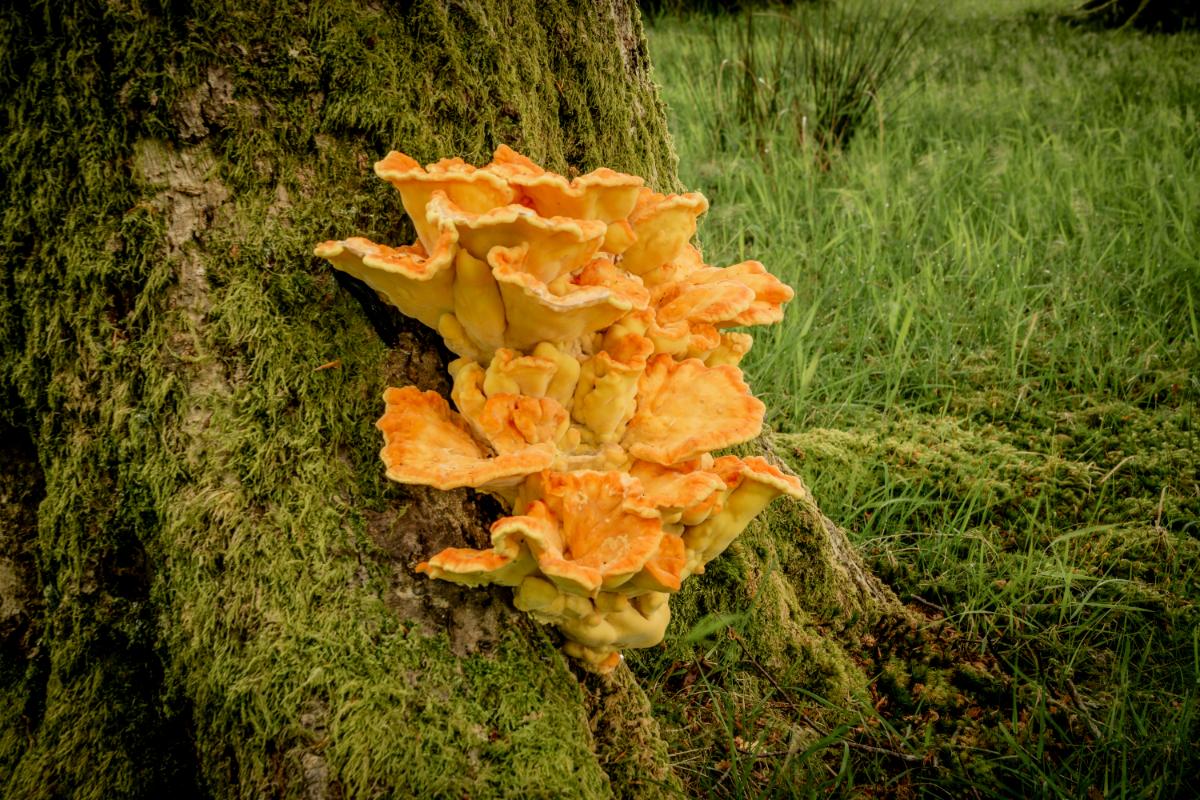
What Does This All Mean — Is It Safe To Eat Chicken of the Woods Mushrooms?
The short answer is yes. Chicken of the woods is safe to eat and is eaten by foragers around the world. It’s a delicious mushroom that has the texture of actual chicken. However, if the working theory is that 10% of people will have a reaction, it’s best to take some precautions and be educated on the potential issues.
- Never eat chicken of the woods mushrooms raw.
- Cook the mushrooms thoroughly.
- Only eat the young, soft specimens; do not eat older or chalky mushrooms.
- Eat a small amount the first time, then wait 24-48 hours to see if and how it affects you.
- Identify the exact species (and tree host) before eating
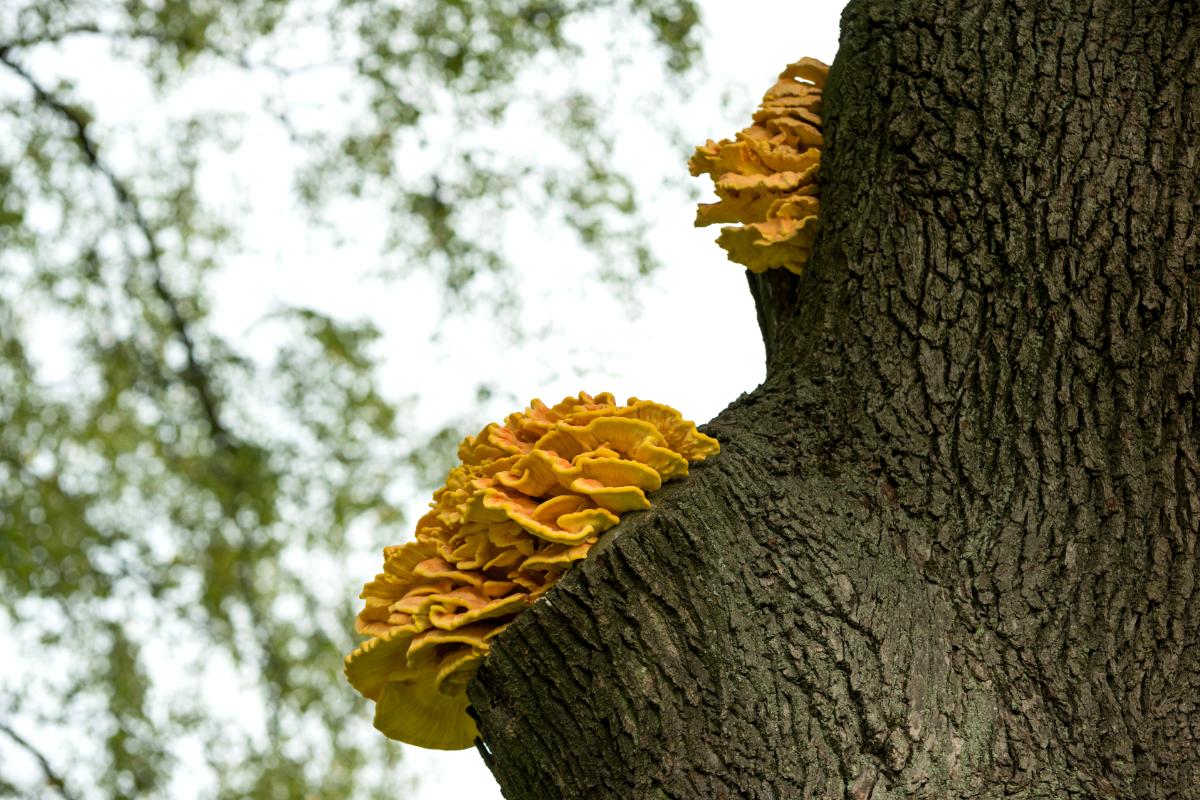
What To Do If You Have A Reaction
If you or anyone you know experiences a reaction after eating chicken of the woods mushrooms, please report it! This is easy to do through the NAMA poisons website. It’s important to know which Laetiporus species was involved, since the species split has only been recognized since 2001, and many older “chicken of the woods made me sick” reports may not have been L. sulphureus at all.
If you’re unsure of the species, see if you can find a local mycology group or some experts online who can verify it. Including the tree species is also a big help. Currently, there is a ton of anecdotal evidence, but not a lot documented incidents or scientific analysis.
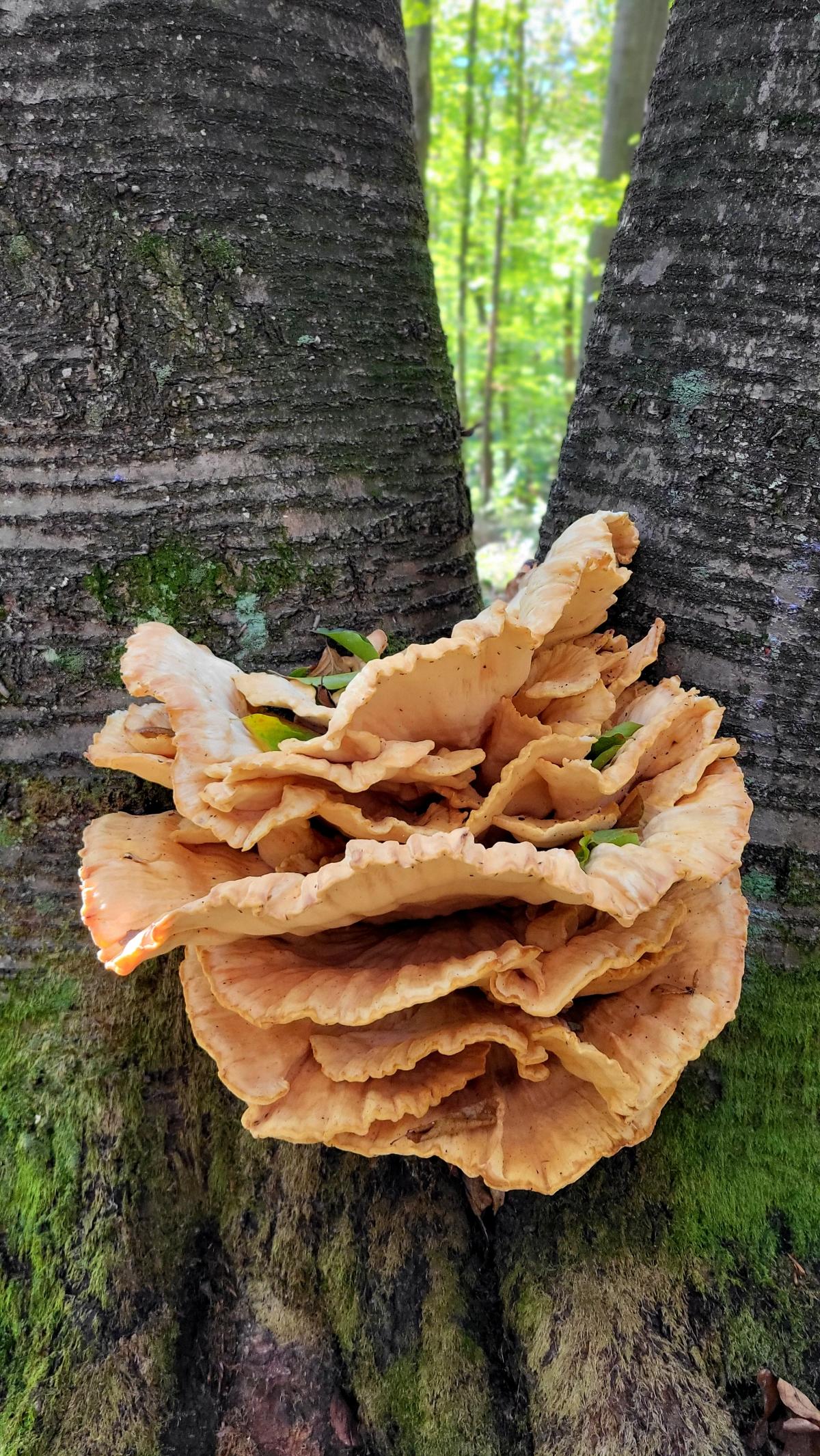



Barbara says
I found Laetiporus Gilbertsonii clumps on two carob trees in Oceanside California on August 14th. I sautéed some and ate a small amount with no problem but the next day when I ate a larger portion I felt queasy a couple of hours later and experienced nausea for about 4 hours. Perhaps I did not cook them long enough.
I cooked and froze them. I plan to wait a week, then simmer a small amount and try again.
It was my first time to find this variety.
Jenny says
It’s hard to say with this one and glad to hear you did the slow testing of tolerability!! It will be sad if they don’t agree with you but better to find out in a small way then otherwise