
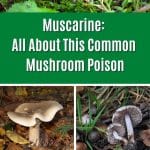
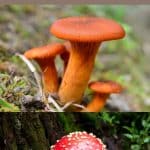
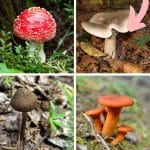
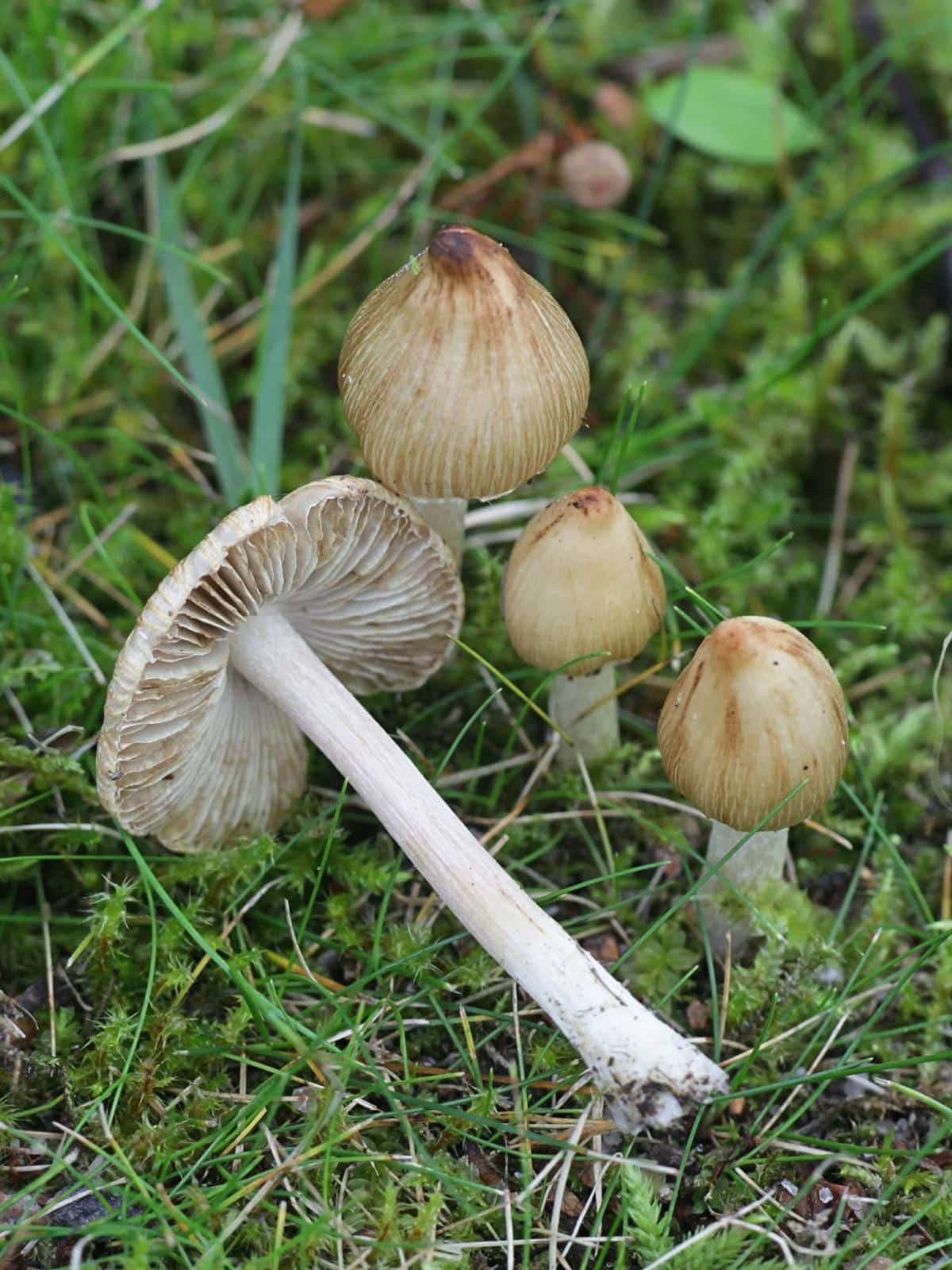
Muscarine is a poison that a lot of mushrooms make, and it is widely regarded as the first mushroom toxin to be identified. It is a very widespread toxin, too, and is found in mushrooms growing in lawns, parks, and yards across the US. Many of the several hundred fibercap species in the genus Inocybe have it, and so do several of the small white funnel caps in the genus Clitocybe. These aren’t rare or uncommon mushrooms; many of them grow in public and urban places.
Muscarine poisoning is fast and miserable, but it hardly ever kills anyone. The symptoms will start within an hour and usually clear up within a day. And most people recover without any hospitalization or drug treatment at all. But while it is not usually a deadly poison, it still needs to be taken seriously, since the mushrooms that have it can grow in populated areas. There have also been a few deaths over the years from this toxin.
Jump to:
- What Muscarine Poisoning Looks Like
- How Muscarine Works
- Reported Muscarine Poisoning Incidents
- Where the Name Came From
- The Mushrooms That Have Muscarine
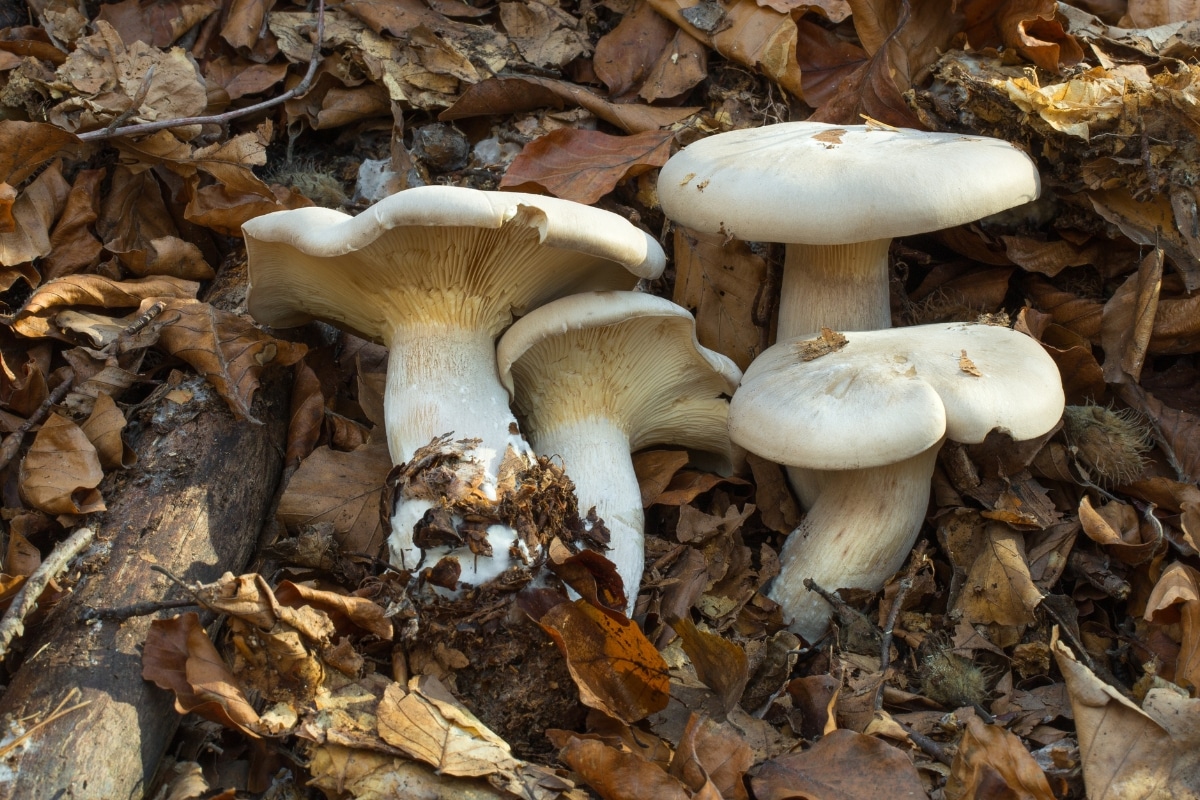
- Fool’s Funnel (Clitocybe rivulosa aka Clitocybe dealbata)
- Fibercaps (Inocybe)
- Muscarine Treatment
- A Hidden Form of Muscarine
- Muscarine’s Evolutionary Spread
- Muscarine in Medicine
- Common Questions About Muscarine
What Muscarine Poisoning Looks Like
The symptoms of muscarine poisoning usually start within an hour after eating the mushrooms containing it. They can appear as quickly as 15 minutes after eating, or up to two hours afterward.
The early signs of the poisoning are sweating and facial flushing. These are followed by heavy salivation and watering eyes, along with pinpoint pupils and blurred vision. After that comes vomiting, abdominal cramps, and diarrhea, along with a strong urge to urinate.
Some people get a slow heart rate, low blood pressure, and dizziness. Other symptoms can include difficulty breathing and a drop in blood pressure and heart rate that is severe enough to cause circulatory shock.
The symptoms usually clear up within 6 to 12 hours, though some symptoms can linger up to 24 hours. Many people who eat these toxic mushrooms have mild symptoms or none at all, and most recover without needing hospitalization or any type of drug treatment. This is because the toxin dissolves in water, and the kidneys can clear it out through urine.
How Muscarine Works
The nervous system has two main branches, one that handles emergencies by quickening the heart and readying the muscles (fight or flight), and another that handles rest and digestion by slowing things down and activating the glands. A signal chemical called acetylcholine is what turns the rest-and-digest branch on.
Acetylcholine’s job is to tell the glands and muscles to get to work. It tells the body to sweat, create tears, and salivate, as needed to help the body function properly. It also helps maintain gut health.
This natural chemical works like a key in a lock. It fits into spots on a cell called receptors, and turning that key switches the cell on. Muscarine, however, is shaped so much like acetylcholine that it fits the same locks in the cells. And, once muscarine has unlocked the cell, the cell can’t tell the difference.
The body can shut off acetylcholine, but it can’t stop muscarine. The key stays in the lock, and the signal keeps running, causing the effects to last longer than a normal acetylcholine message.
Because the switch is stuck on high, every gland and fluid system in the body goes into overdrive all at once. Doctors use the term SLUDGE to describe what happens:
- S – Salivation: The mouth floods with extra saliva, causing heavy drooling.
- L – Lacrimation: Tear glands leak continuously, making eyes water nonstop.
- U – Urination: The bladder squeezes hard, leading to an immediate, uncontrollable need to pee.
- D – Defecation: The intestines contract rapidly, causing sudden bowel movements.
- G – Gastrointestinal distress: The stomach muscles twist up, causing painful cramps.
- E – Emesis: The stomach forcefully expels its contents (vomiting).
Reported Muscarine Poisoning Incidents
Muscarine poisoning is genuinely rare. In 2019, the National Poison Data System recorded 18 muscarine cases out of 5,799 single-substance mushroom reports, and between January 2023 and June 2024, U.S. poison centers documented 155 cases. Deaths are uncommon, though they have occurred.
Germany, 1916 (fatality)
In June 1916, an experienced mushroom collector died from mushroom poisoning in Aschersleben, Germany. The mushroom sent for examination was identified at the time as Inocybe frumentacea. Later mycologists disputed the identification and associated the fatal mushroom with Inocybe lateraria.
Germany, 1963
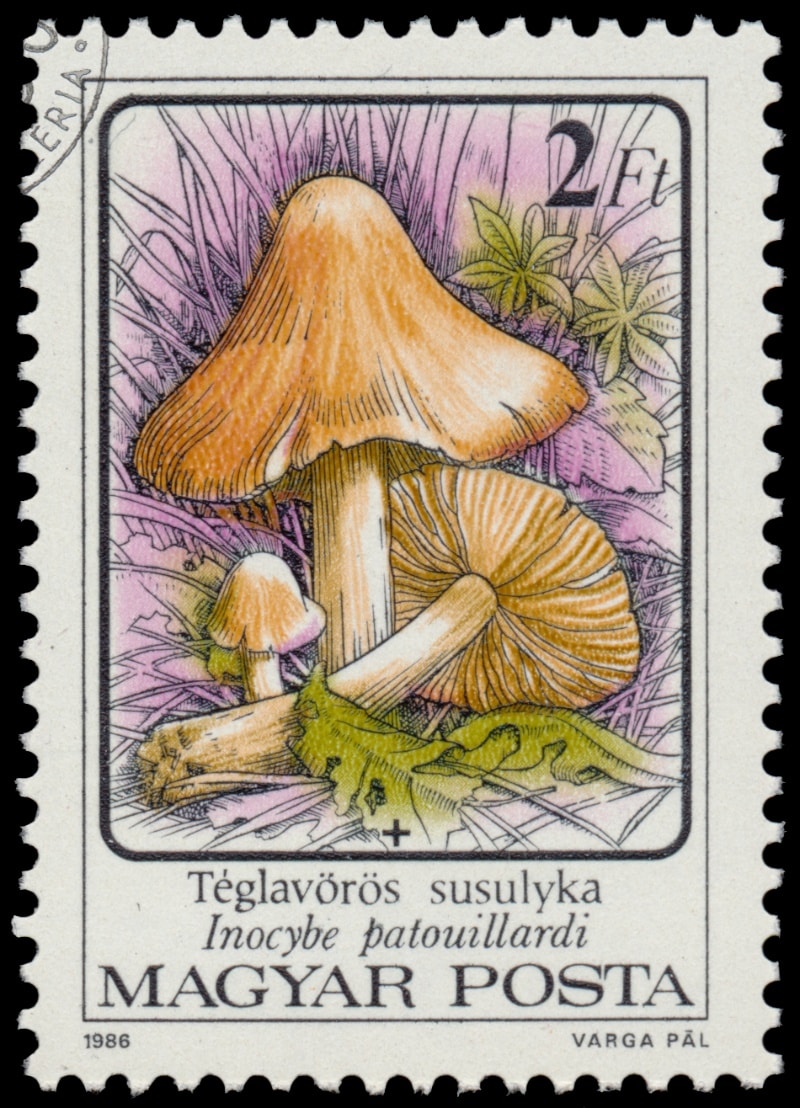
A poisoning happened in Naumburg from Inocybe patouillardii (now reclassified as Inocybe erubescens) involved thirty-five people who all ate at the same restaurant. Thirty-three of the thirty-five people became ill, and their symptoms appeared very soon after eating. The poisoning produced typical muscarinic symptoms, including sweating, vomiting, and diarrhea. Two elderly men were seriously affected and required intensive treatment, but all 33 people recovered and there were no fatalities.
Nepal, 1998–2008 — 77 patients
A Nepalese poison-center review documented 77 cases of muscarinic mushroom poisoning reported between July 1998 and June 2008. The patients ranged from 4 to 67 years old, and the symptoms included nausea, vomiting, diarrhea, abdominal pain, increased urination, hypersalivation, bradycardia, hypotension, lacrimation, blurred vision, and miosis. Symptoms for all of them started within 30 minutes to 2 hours after eating the mushrooms. Their treatments included IV fluids and atropine, and all the patients recovered within 10 hours.
Australia, 2004 (fatality)
A 53-year-old woman and her partner ate two large muscarine-containing Rubinoboletus mushrooms. The partner ate only a small amount, then vomited later. He recovered without complications. The woman consumed a much larger portion and, within an hour, exhibited classic SLUDGE syndrome, along with confusion, bradycardia, and severe hypotension. Despite hospitalization and treatment, her condition deteriorated, and she died of cardiovascular collapse 10 hours after eating the mushrooms.
Turkey, 2006 (fatality)
An 11-year-old child died after eating a meal with cooked Inocybe rimosa in it. Two hours after ingestion, the child developed acute muscarine syndrome, including severe stomach pains, heavy respiration, salivation, diarrhea, and vomiting. Although the child was taken to the hospital, they died after four days.
Israel (2009)
A study looked back at 14 people who went to emergency rooms in Israel between 2006 and 2008 after eating wild mushrooms. All 14 patients showed clear signs of severe muscarine poisoning, including heavy sweating, pinpoint pupils, extreme drooling, and intense stomach cramps. The symptoms started anywhere from 15 minutes to 5 hours after eating the mushrooms. Doctors treated everyone with standard medical care, including atropine when needed, and every patient fully recovered within 12 hours with no lasting health problems. The mushrooms were identified as Inocybe fastigiata, I. geophylla, and I. patouillardii.
India, 2015
Eleven people, ranging from adults to a 6-month-old infant, were acutely poisoned in Kerala, India, after eating cooked wild mushrooms. The 6-month-old was exposed to the toxin through its mother’s breast milk. The onset occurred soon after ingestion, with all 11 developing muscarine poisoning symptoms. All victims were hospitalized, treated, and discharged within 24–48 hours. The mushroom was identified as Inocybe carnosibulbosa.
United States, 2016 (fatality)
An 88-year-old woman with a history of coronary artery disease and her husband ate wild mushrooms picked from their yard. About 30 minutes later, both developed symptoms. The husband’s symptoms were milder, and he recovered. The woman developed diaphoresis, nausea, vomiting, diarrhea, progressive altered mental status, respiratory distress, and pulmonary edema. She received treatment but died within seven hours of eating the mushrooms. The mushrooms were identified as Clitocybe species, along with some Coprinus species.
China, 2019
In the Ningxia region of China, two people who ate wild mushrooms went to the hospital two hours later with typical, severe muscarinic symptoms. The mushroom was identified as Inocybe serotina, and chemical analysis confirmed it contained muscarine. After emergency treatment, both patients fully recovered within 24 hours.
China, 2020
Ten people from two families in Hainan Province were poisoned after eating wild mushrooms. The victims ranged in age from 20 to 94 and developed sweating, excessive salivation, tearing, blurred vision, nausea, vomiting, abdominal pain, and a rapid heartbeat. All recovered within 24 hours after receiving supportive treatment. The mushrooms were initially unidentified, but researchers later obtained specimens and determined that they represented a new species, Inosperma zonativeliferum. Chemical testing confirmed that the mushroom contained muscarine.
Hong Kong, 2023
In Hong Kong, two patients developed acute muscarine poisoning after eating cooked wild mushrooms collected in a country park. About an hour after eating, they developed classic symptoms of the toxin. Both of them were hospitalized and given supportive treatment. Their symptoms gradually subsided, and they fully recovered after three days. Muscarine was detected in urine samples from both patients, which confirmed the poisoning. However, a piece of the cooked mushroom was identified as Psathyrella incerta. However, P. incerta is not a confirmed muscarine-containing species, and the identification did not explain the patients’ SLUDGE symptoms. The mushroom responsible for the muscarine exposure is still uncertain.
Where the Name Came From
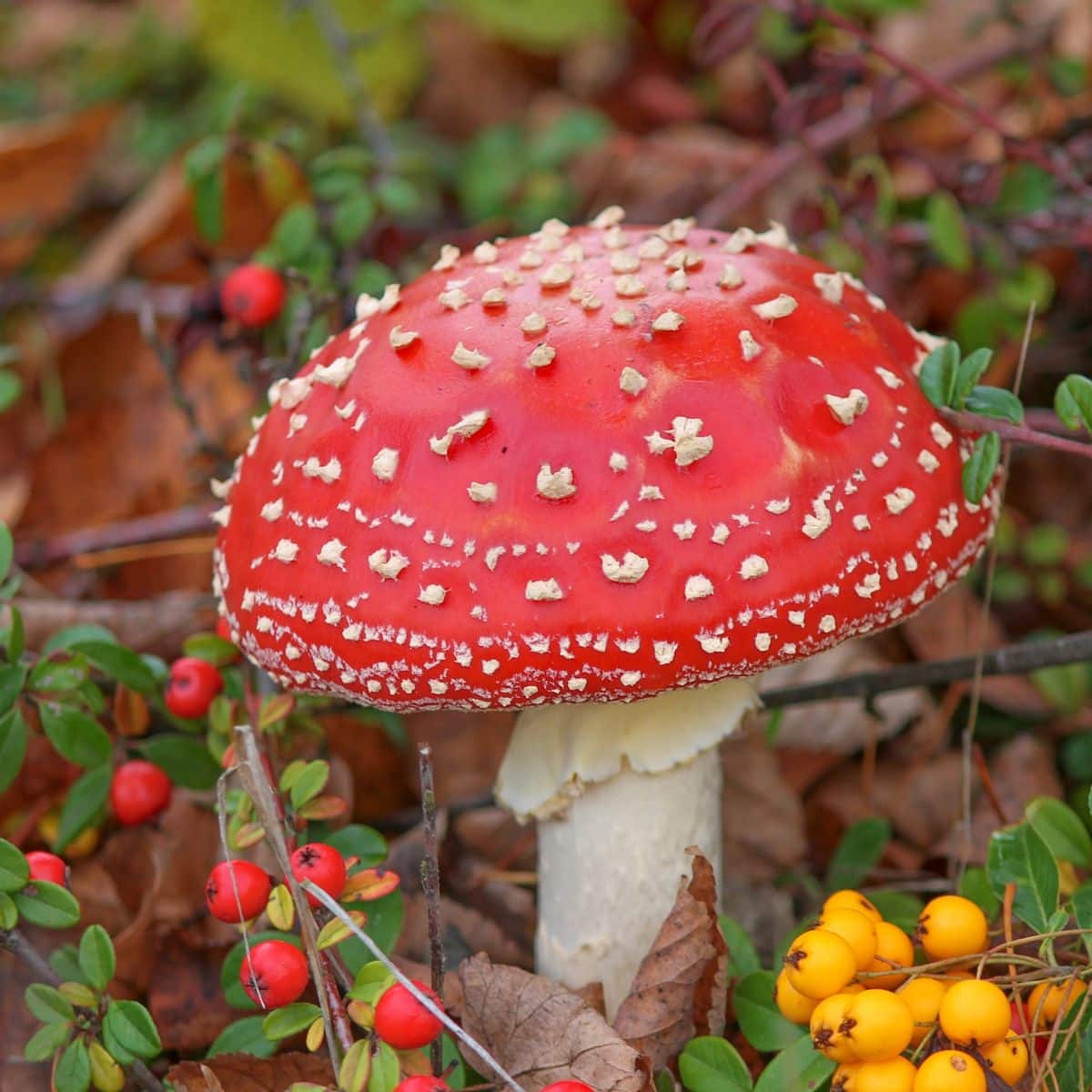
In 1869, the chemists Oswald Schmiedeberg and Richard Koppe isolated muscarine from the fly agaric mushroom (Amanita muscaria) at the University of Tartu. It was the first mushroom toxin ever isolated. They named the newly discovered compound muscarine after the mushroom’s species name (the Latin word musca means fly, because people historically used Amanita muscaria to attract and trap insects).
Muscarine was also the first parasympathomimetic compound ever studied. This term refers to any substance that mimics the chemical signals that trigger the body’s “rest-and-digest” system. Although scientists knew what muscarine did, its exact chemical structure was a mystery until Franz Jellinek and his team solved it in 1957 using X-ray diffraction.
Although the poison was named directly after the iconic red-and-white fly agaric, that mushroom actually contains only tiny, trace amounts of it. In fact, it has nowhere near enough to cause true muscarine poisoning. Instead, the fly agaric’s main active compounds are ibotenic acid and muscimol, which affect the brain very differently. The mushrooms that cause severe muscarine poisoning are entirely different species, including those from the Inocybe and Clitocybe genera. These carry drastically higher doses of the toxin.
The Mushrooms That Have Muscarine
A bunch of species in the genus Inocybe have muscarine. There are hundreds of fibercap (Inocybe) species, and telling them apart is often very complicated. Because quite a few are toxic and they are so difficult to identify, most people approach the group with caution, and it isn’t recommended to eat any of them.
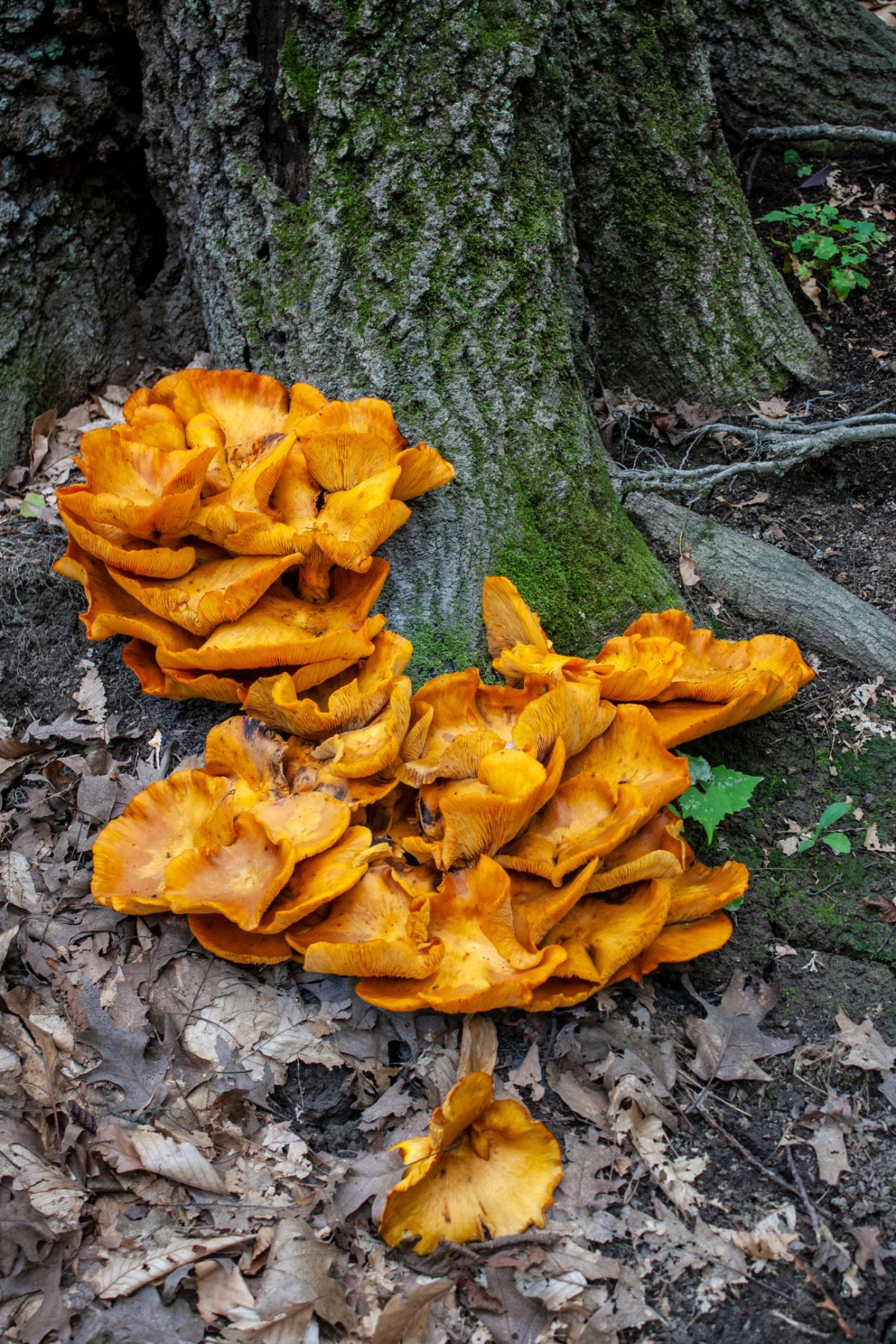
Muscarine poisoning is also linked to Clitocybe species, specifically C. dealbata and C. dilatata, and to the jack o’lantern, Omphalotus olearius. The jack o’lantern is sometimes eaten by mistake because it looks like a chanterelle to beginner foragers. Highly toxic Inocybe and Clitocybe species have been measured to have up to 1.6 percent muscarine.
Some Entoloma and Mycena species also contain enough muscarine to cause harm. There are also trace amounts of muscarine in some Boletus, Hygrocybe, Lactarius, and Russula species, but usually at levels that won’t cause any damage. There are exceptions to this, though.
Fool’s Funnel (Clitocybe rivulosa aka Clitocybe dealbata)
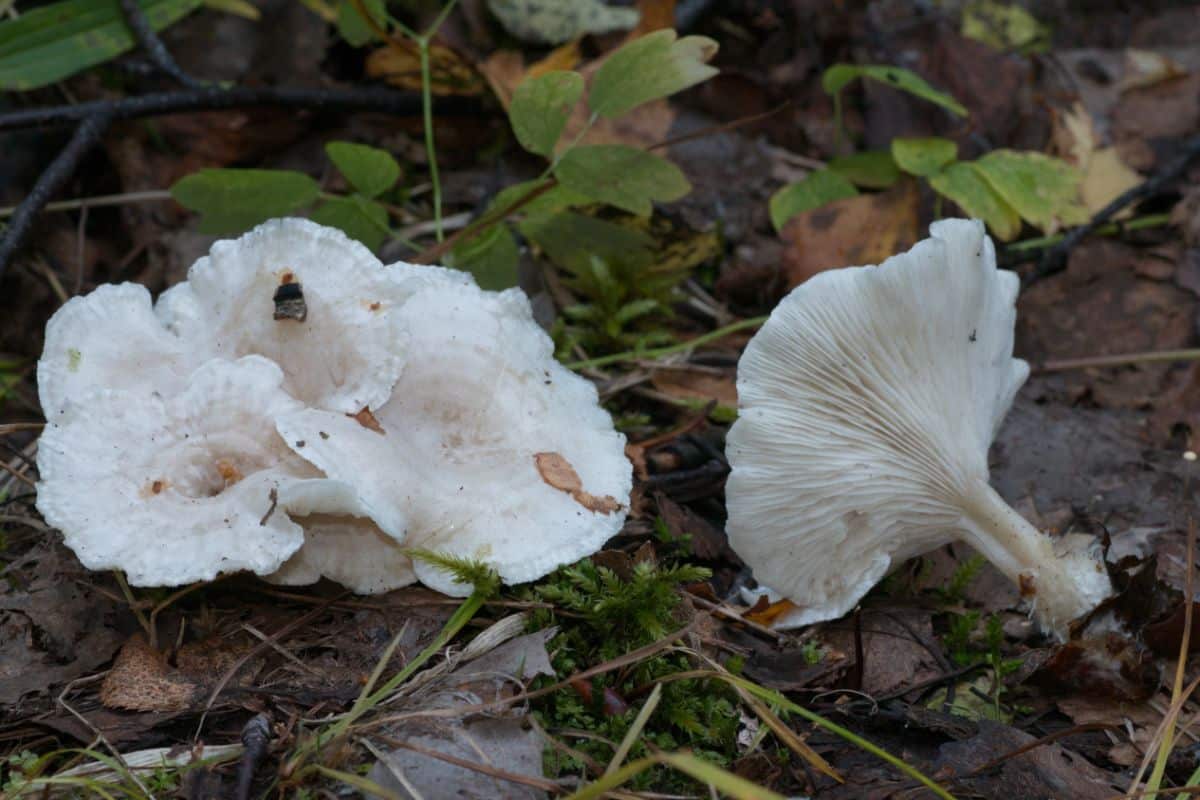
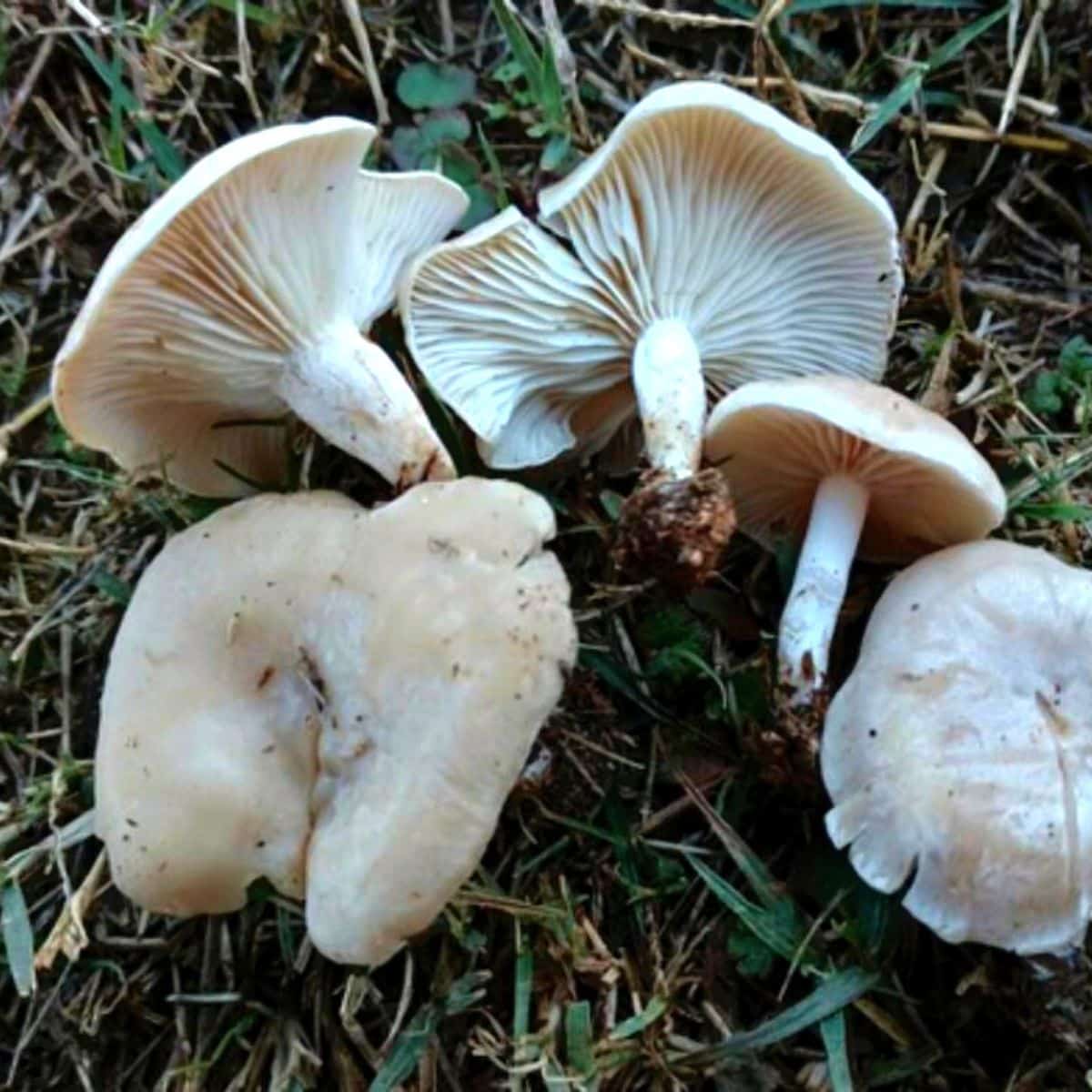
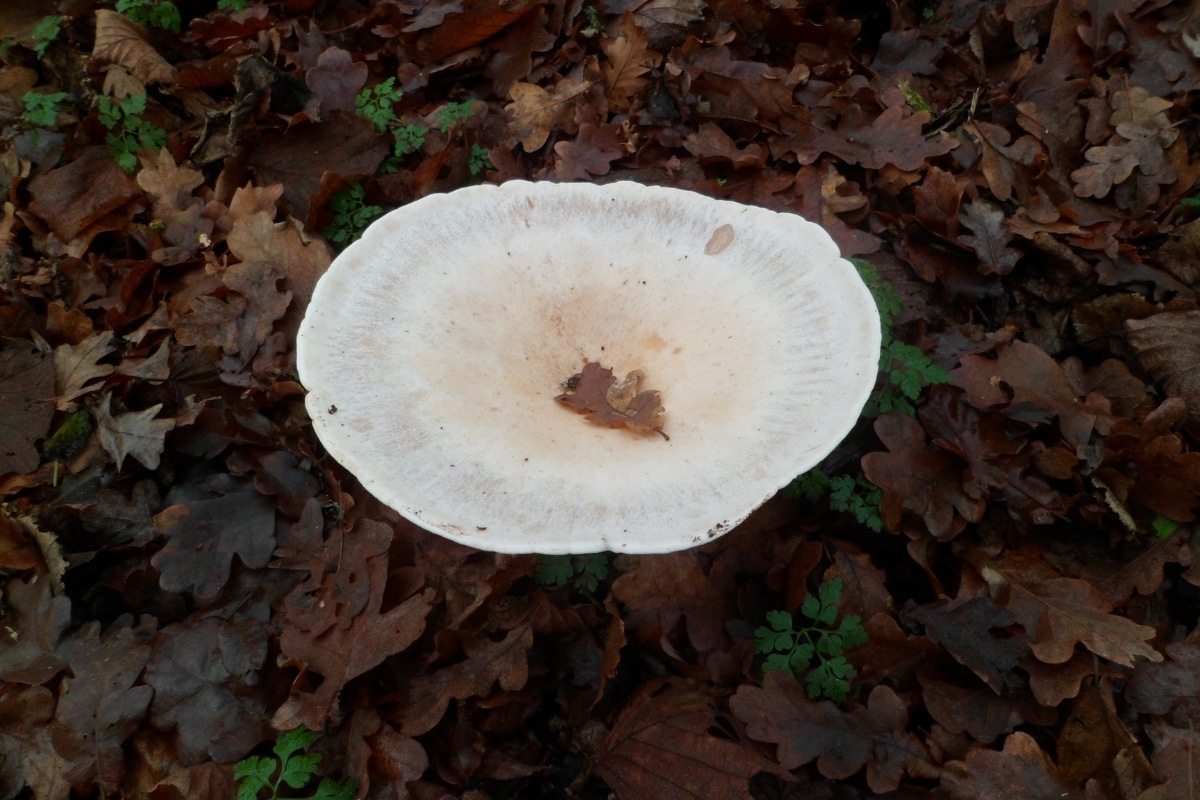
The fool’s funnel is also commonly known as the sweating mushroom because of the muscarine-poisoning symptoms that happen when it’s eaten. It’s a small, white, funnel-shaped mushroom that grows in lawns, meadows, and other grassy areas. It holds potentially deadly levels of muscarine. These mushrooms sometimes grow in fairy rings and may be confused with the Miller, Clitopilus prunulus, which is edible.
Fibercaps (Inocybe)
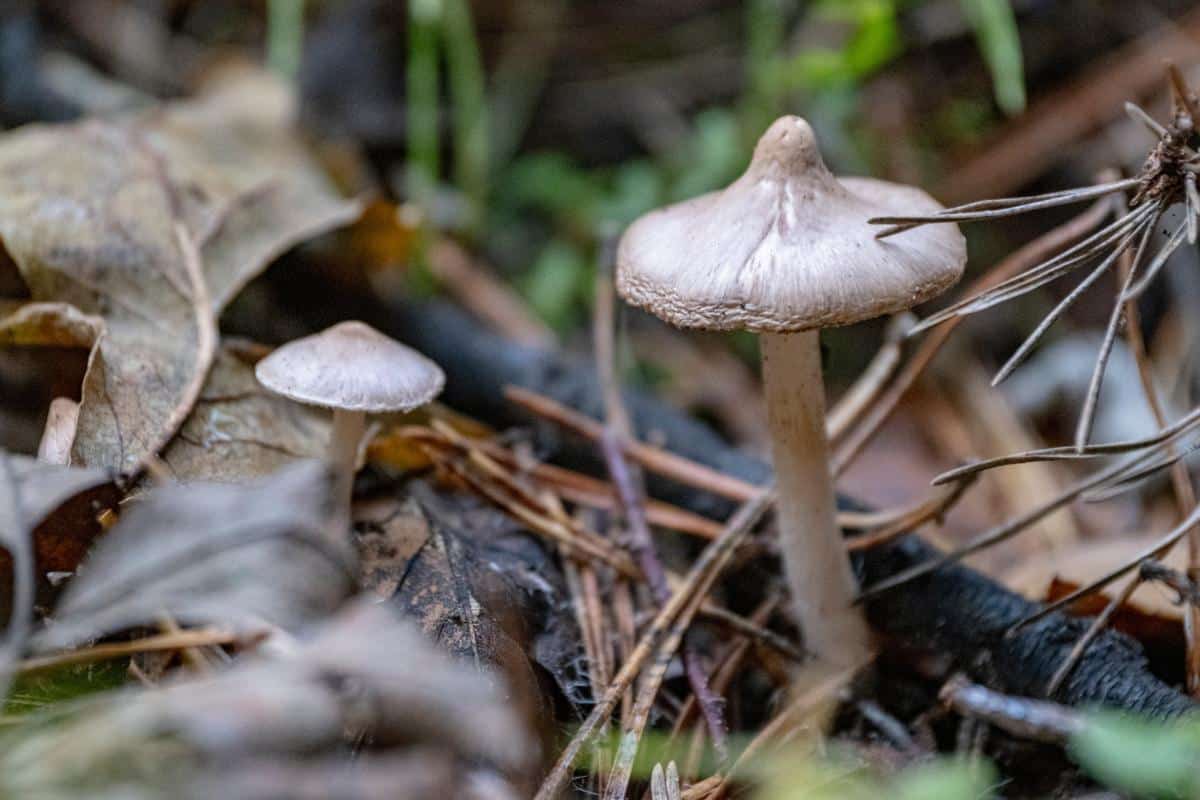
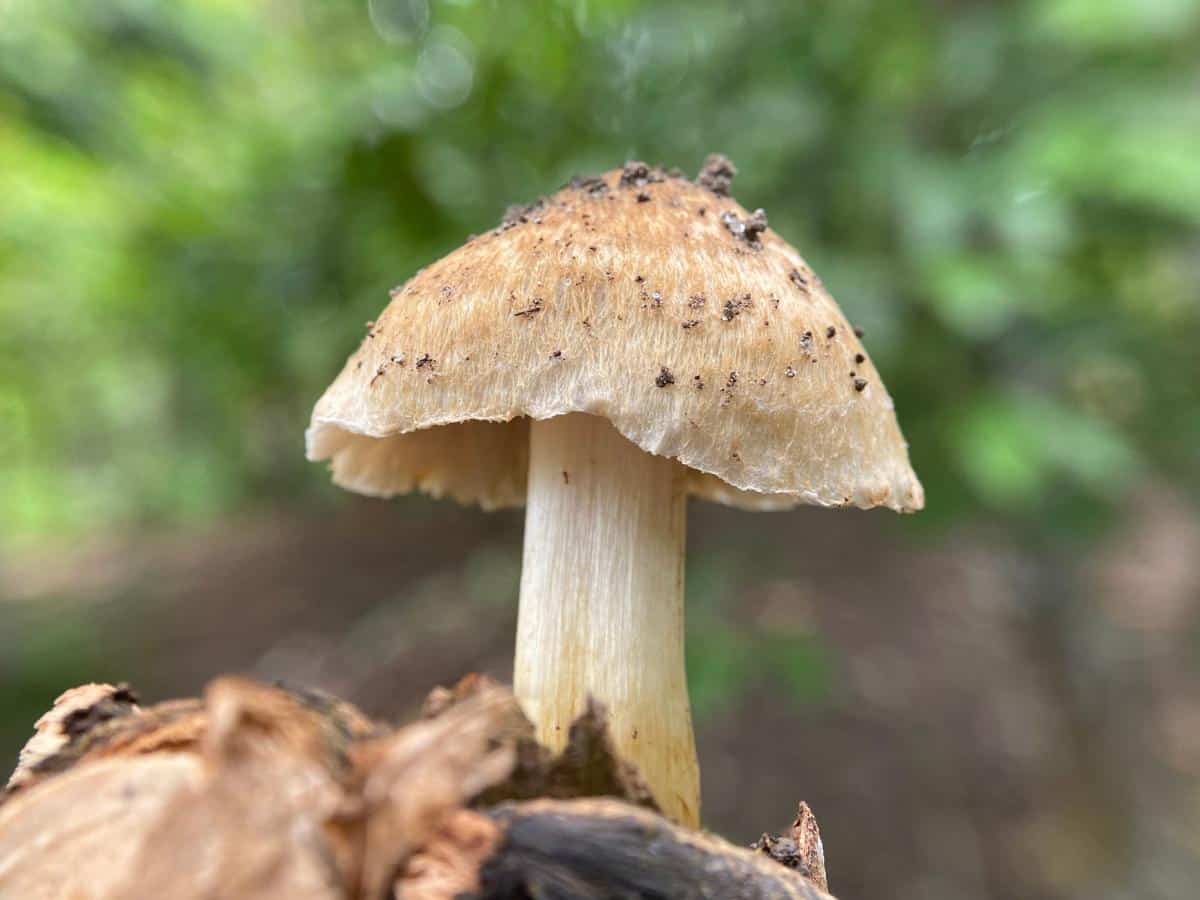
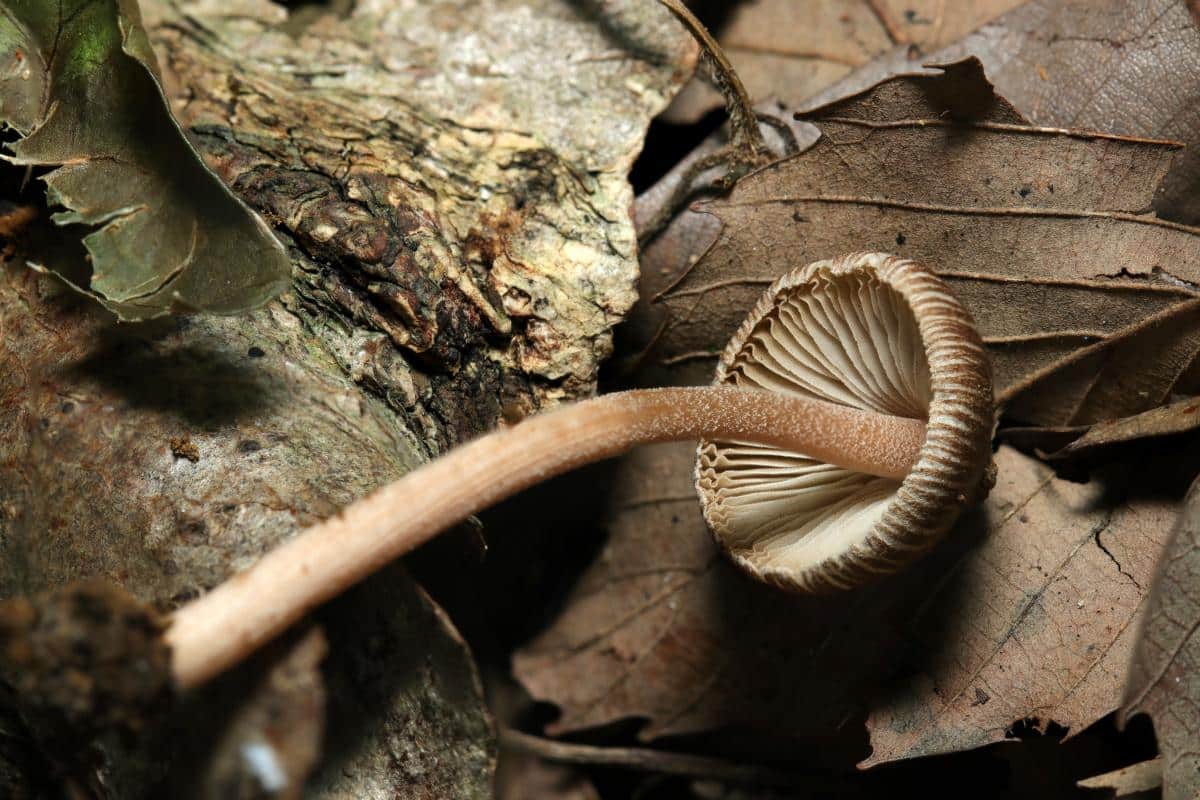
The fibercaps are the other main source of muscarine poisoning in North America. Inocybe is a huge genus, and it can be very difficult to figure out the exact species. Many of them are little brown mushrooms that look alike. They have silky, hairy, scaly, or split caps, brown spore prints, and grow in mycorrhizal partnership with trees.
Muscarine Treatment
The antidote to muscarine poisoning is atropine. It’s an alkaloid that blocks muscarinic receptors instead of activating them, so it works against the poison directly instead of just easing one symptom at a time. This isn’t given to everyone, though. Most people with muscarine poisoning get better on their own, without any drug treatment at all.
Atropine is used for the more severe cases, mainly when fluid and mucus build up in the lungs enough to make breathing hard. In those cases, they give small amounts directly into the bloodstream to dry up the secretions and open the airway. Two other drugs, scopolamine and diphenhydramine, block the same receptors and have been used as a backup when atropine alone isn’t enough.
Most cases clear up within 6 to 8 hours, though some symptoms can persist for up to 24 hours. The toxin runs its own course either way, as the body clears the toxin out through the kidneys.
A Hidden Form of Muscarine
A 2024 study found that fool’s funnel contains a hidden form of muscarine called 4′-phosphomuscarine. This is muscarine with an extra chemical group attached. In this form, it does not affect the body the same way as regular muscarine.
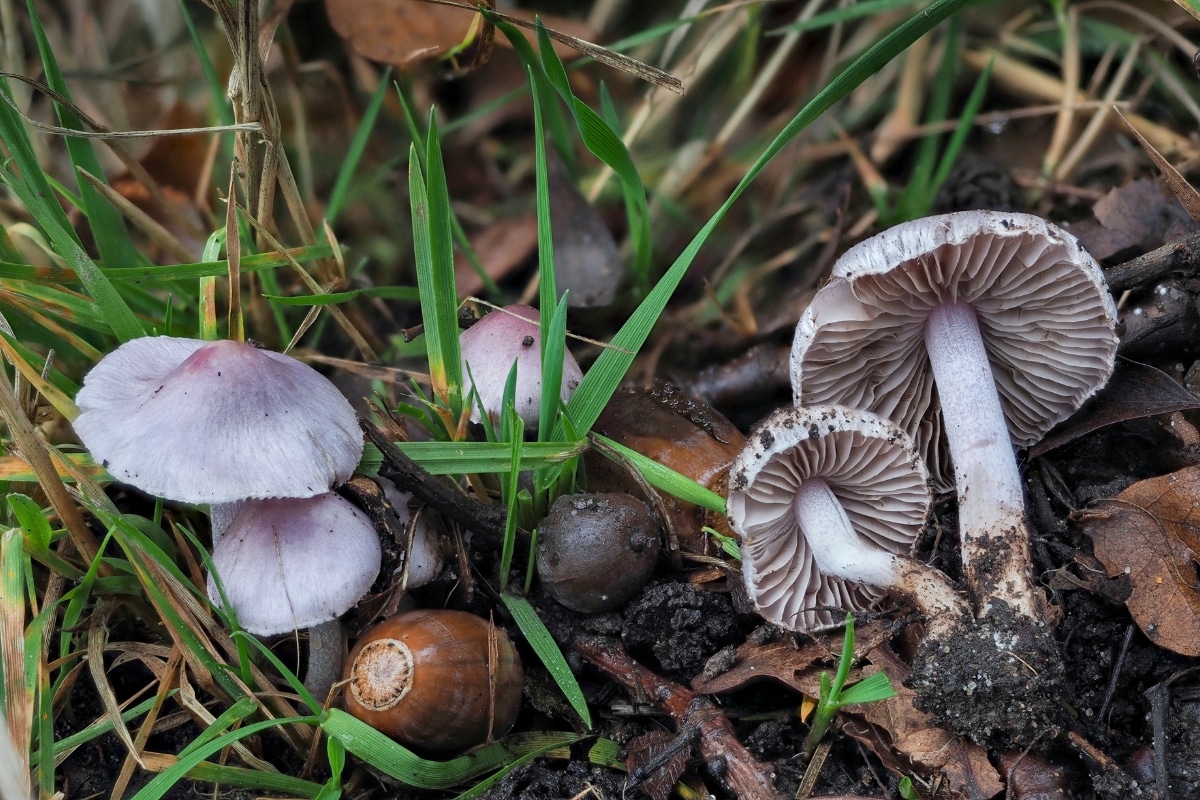
The study found that enzymes can remove this extra piece and turn 4′-phosphomuscarine into regular muscarine. Researchers also found the same hidden form in two fibercap mushrooms, Pseudosperma spectrale and Inocybe nitidiuscula.
Some mushrooms contain regular muscarine that is already active. Others may contain both regular muscarine and this hidden form. This can make it harder to know exactly how much muscarine a mushroom may eventually produce. Scientists are still studying how this hidden form of muscarine behaves after a mushroom is damaged or eaten.
Muscarine’s Evolutionary Spread
A 2013 study tested 30 fibercap mushrooms from the family Inocybaceae for muscarine. The team added those results to fifty years of earlier mushroom tests and used the combined data to map how muscarine appears across the family’s evolutionary tree, a diagram that shows how species are related.
That map showed that muscarine didn’t develop from one single fungal ancestor. Several branches of Inocybaceae developed muscarine independently, at separate times, without inheriting it from a shared source, and some of those branches later lost it, too. One large group inside the family did get muscarine from a single shared ancestor, and most species in that group kept it.
Muscarine in Medicine
Muscarine played an important role in medicine, but not because it was used to treat anything. It helped scientists find and name one of the control switches in the human body. That switch handles things like heart rate, breathing, digestion, and saliva.
In 1914, a scientist named Henry Dale noticed that one of the body’s natural signal chemicals caused two completely different sets of effects. Muscarine could copy one set of the chemical signals exactly, and nicotine could copy the other, but neither one could copy both. He found that the body has two separate kinds of switches for that signal chemical, so he named them the muscarinic switch and the nicotinic switch. This discovery showed how the nervous system controls automatic organ functions.
The muscarinic switch is only one of many switches in the body for different signal chemicals. The chemical switch test is used by scientists to test certain drugs. If a new drug causes the same reaction muscarine does, that drug is working on the muscarinic switch. This test isn’t used for every drug, though. Drugs are designed to interact with all types of chemical switches in the body, and the muscarine switch is just one of many.
Scientists have built treatments around the muscarinic switch, with some that turn it on and some that turn it off. Drugs designed to turn on the muscarine switch include treatments for glaucoma, urinary issues, and dry mouth. Asthma and motion sickness drugs, on the other hand, were designed to block the muscarine switch actively.
Common Questions About Muscarine
Can muscarine poisoning kill you?
Yes, but it isn’t common. Many people can recover fully on their own or after treatment. A lot depends on which muscarine-containing mushroom was eaten and how much.
Which mushrooms have muscarine in them?
Many species in the genus Inocybe have muscarine, and so do some Clitocybe mushrooms like the ivory funnel. The jack o’lantern mushroom has it too, along with some species of Entoloma and Mycena. It is also found in some Boletus, Hygrocybe, Lactarius, and Russula species.
Does cooking get rid of muscarine?
Cooking does not get rid of the toxin muscarine.
Is the fly agaric mushroom dangerous because of muscarine?
No. Muscarine gets its name from the fly agaric, Amanita muscaria, where it was first isolated in 1869. The fly agaric itself only has a tiny trace of muscarine. However, the fly agaric is still poisonous because of other toxic compounds in it.

Leave a Reply