
Mushrooms are everywhere, and as humans, we need extensive training and careful study to distinguish safe mushrooms from dangerous ones (because they can look so similar!). But, how do animals know which mushrooms are safe to eat and won’t make them sick or kill them? The Death Cap (Amanita phalloides) is a good example. This mushroom is responsible for most fatal mushroom poisonings in humans (just recently, in California, it caused 3 deaths). What makes this species extra tricky is that it can look just like a non-toxic species. That’s why we can’t rely on simple rules like “avoid white mushrooms” or “if it has gills, it’s dangerous.” We need specialized guides, testing, and careful observation since many mushrooms share superficial features.
Given how challenging it is for us humans to identify safe mushrooms, it makes one wonder how our wild animal friends handle this challenge. There are mammals, insects, and birds that eat fungi and manage to avoid poisonous mushrooms, or that aren’t affected by the same poisons as us, so they can eat what we’d call deadly species without an issue. Do they have some innate knowledge of which ones are safe, or do they rely on instinct, learning, taste, smell, or special physical adaptations?
Word of the Day:
Mycophagy – the act of eating fungi, including mushrooms, molds, and truffles. It is practiced by many animals and influences the food web and ecosystem.
Jump to:
Why Do Animals Eat Mushrooms?
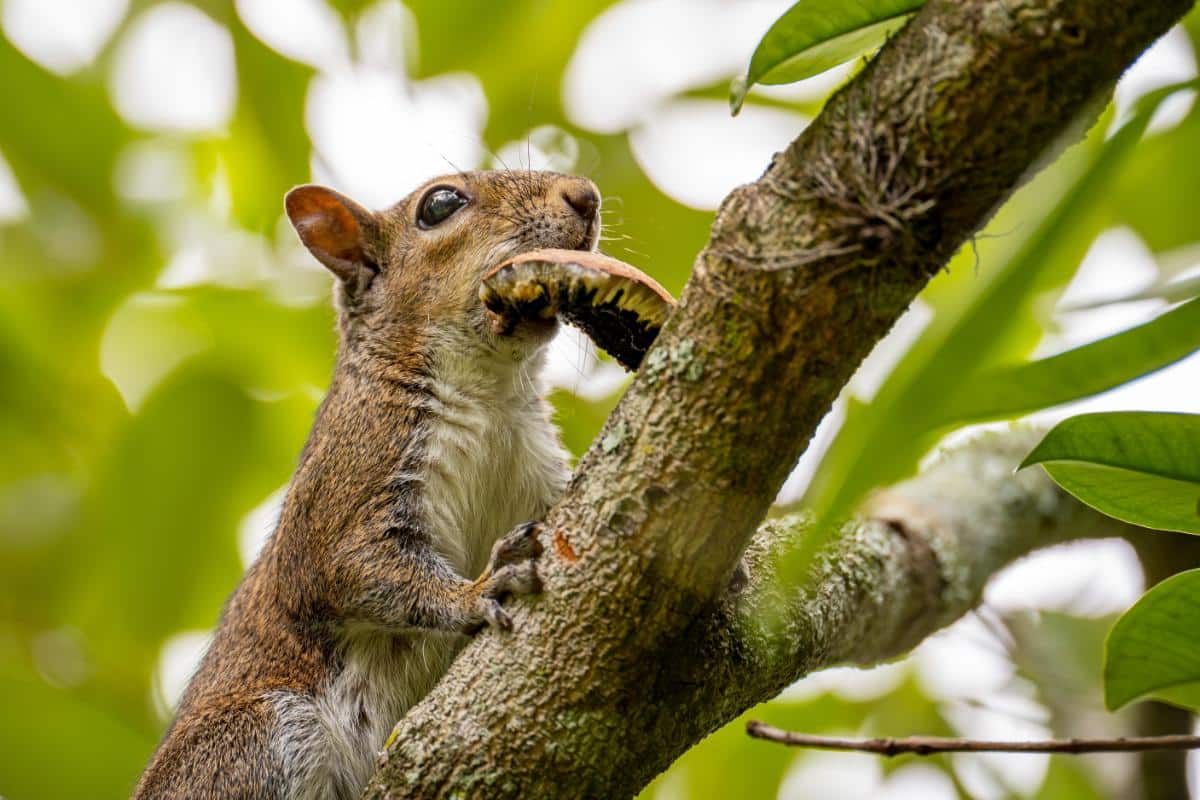
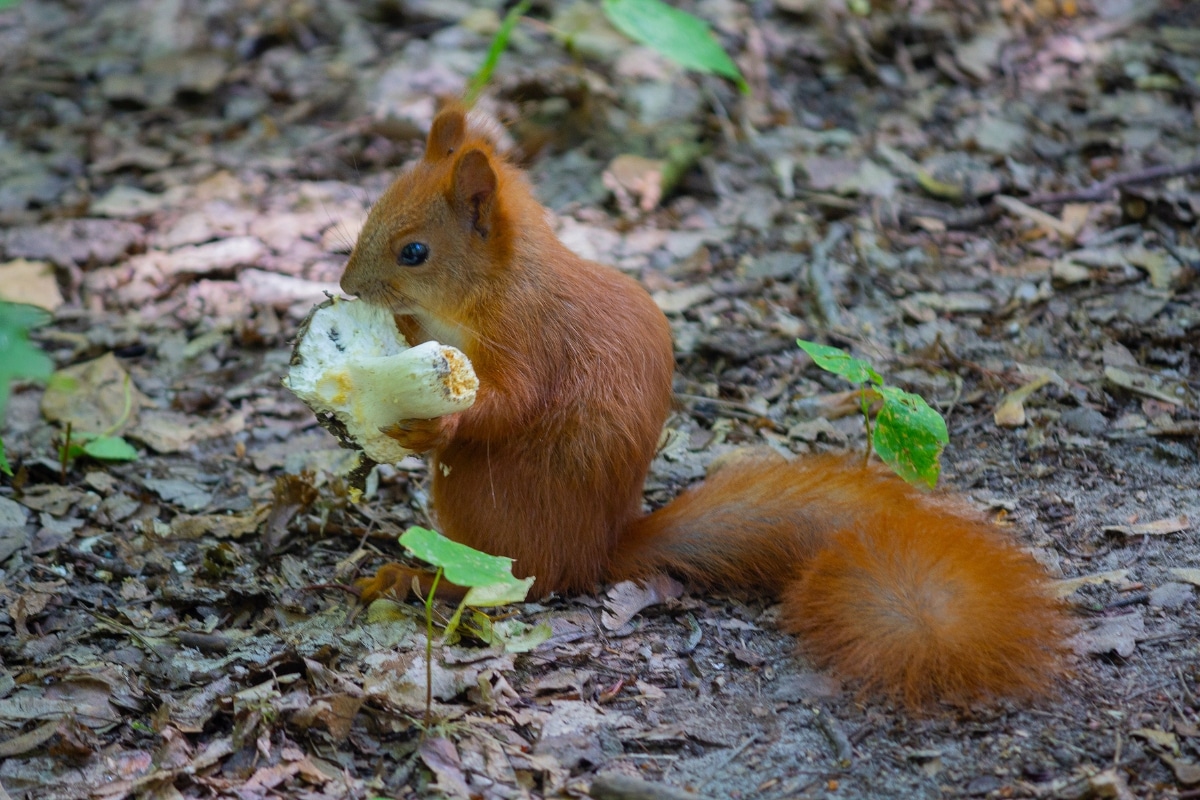
Mushrooms contain important nutrients that are beneficial to mammals. Although fungi have cell walls made of chitin, a tough molecule that can be hard to digest, many mammals produce chitinase enzymes that break down fungal tissues. They either already had this ability or they developed it over time to be able to include mushrooms in their array of food sources. Mammals like squirrels, rodents, deer, and others can eat mushrooms and get energy from them.
Fungi contain carbohydrates, fats, proteins, essential minerals, and critical trace elements like selenium. Selenium is important for muscle health. In some cases, eating mushrooms can meet a large portion of a mammal’s energy requirements. For example, Eurasian red squirrels can fulfill up to half of their daily energy needs by eating fungi when other food sources are less available.
Mushrooms that want to be eaten by mammals to aid in spore dispersal sometimes develop traits that bring the animals to them. Truffles, for example, produce a smell that many animals find irresistible. In this case, the animals eat the truffles because they smell (and probably) taste amazing to them, like humans drawn to fresh-baked croissants or the smell of fresh-fried French fries!
Animals that eat mushrooms include mammals, insects, mollusks, birds, reptiles, and amphibians. They do not all eat the same kinds of mushrooms, and not all animals avoid toxic species in the same way. So, how do animals know which mushrooms are safe to eat?
Different Methods Animals Use To Determine Mushroom Edibility
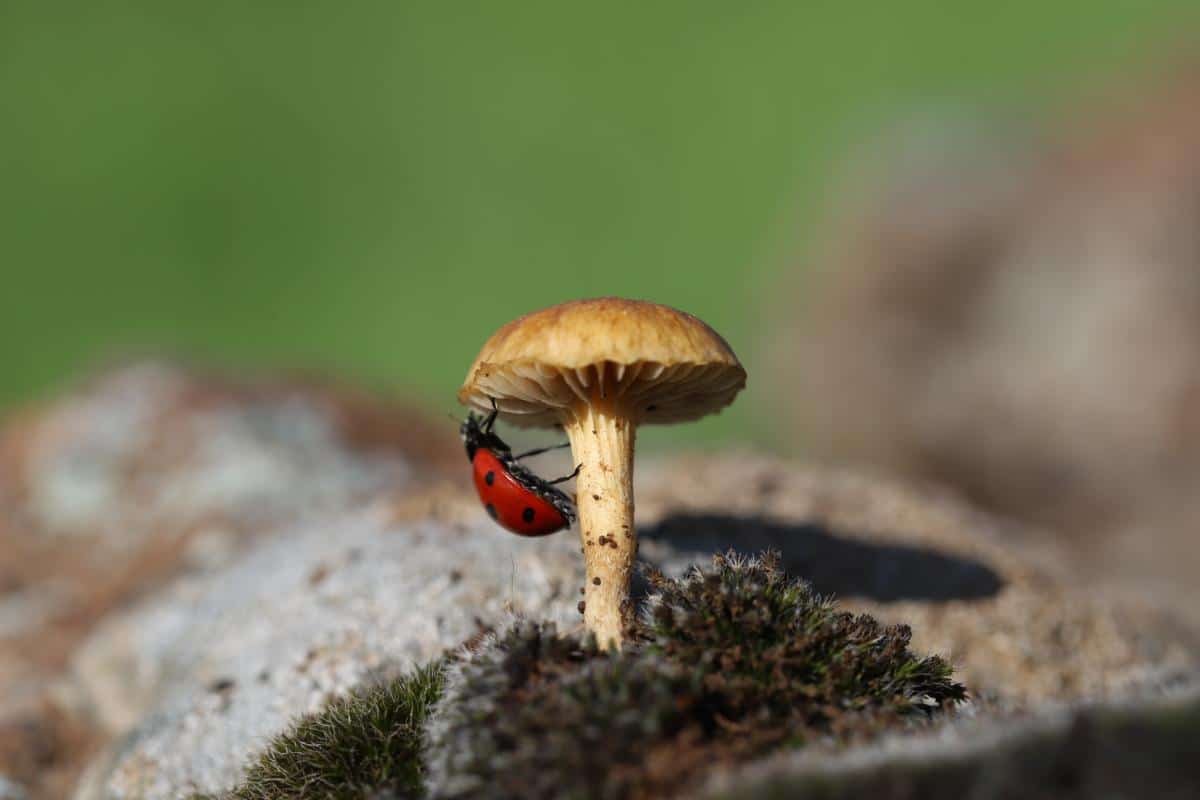
In the wild, animals see mushrooms all the time and, for them, the mushrooms are one of many food sources in their environment. Unlike us humans, who might deliberately seek out various mushrooms, most animals don’t randomly sample fungi unless it’s already part of their regular diet. Some, like the squirrel, various rodents, and certain insects, regularly eat mushrooms when other food is scarce or during specific seasons.
Research shows that when animals interact with potentially poisonous mushrooms, they’re guided by a mix of instinct, learning from experience, and physical adaptations that help them handle or avoid toxins. All these methods help them know which mushrooms are safe to eat.
Conditioned Food Aversion
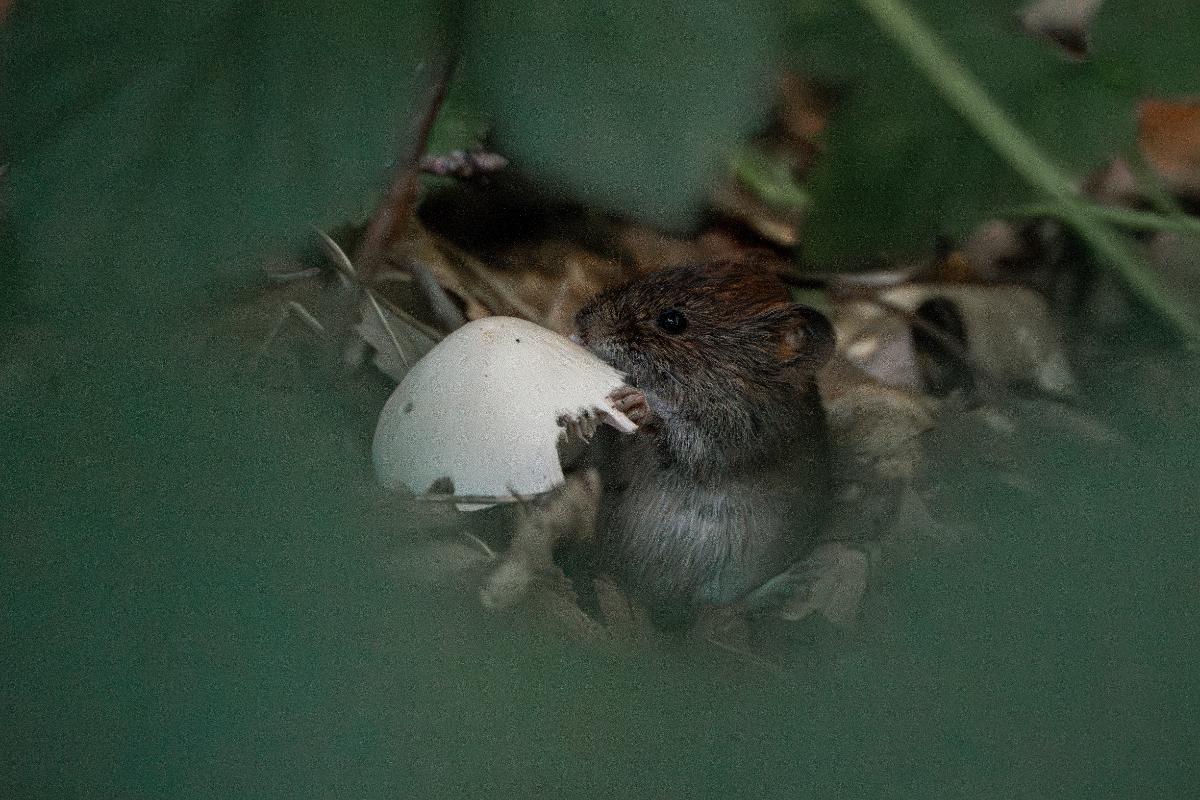
If an animal eats something that makes it sick, it learns to associate that food’s smell, taste, or appearance with illness and avoids it in the future. Scientists have studied this behavior in both laboratory and wild animals and call it “poison shyness” or conditioned food aversion. This learned response is common among species that eat various foods (generalist eaters), and is a common way animals know which mushrooms are safe to eat. It is a successful adaptation that prevents them from eating harmful substances again.
The Virginia opossum, in a controlled study, initially ate the toxic mushroom Amanita muscaria, which contains the hallucinogenic compound muscimol. After getting sick from it, the opossums developed a strong aversion to that specific mushroom and wouldn’t touch it again. When this study was done, it was groundbreaking. It provided some of the first evidence that wild mammals could learn to avoid toxic fungi through negative experiences. Many species use poison shyness to know which mushrooms are safe to eat
Learning to avoid harmful mushrooms doesn’t always require immediate sickness. Even when toxic mushrooms take their time to cause problems, many animals still develop these protective associations over time.
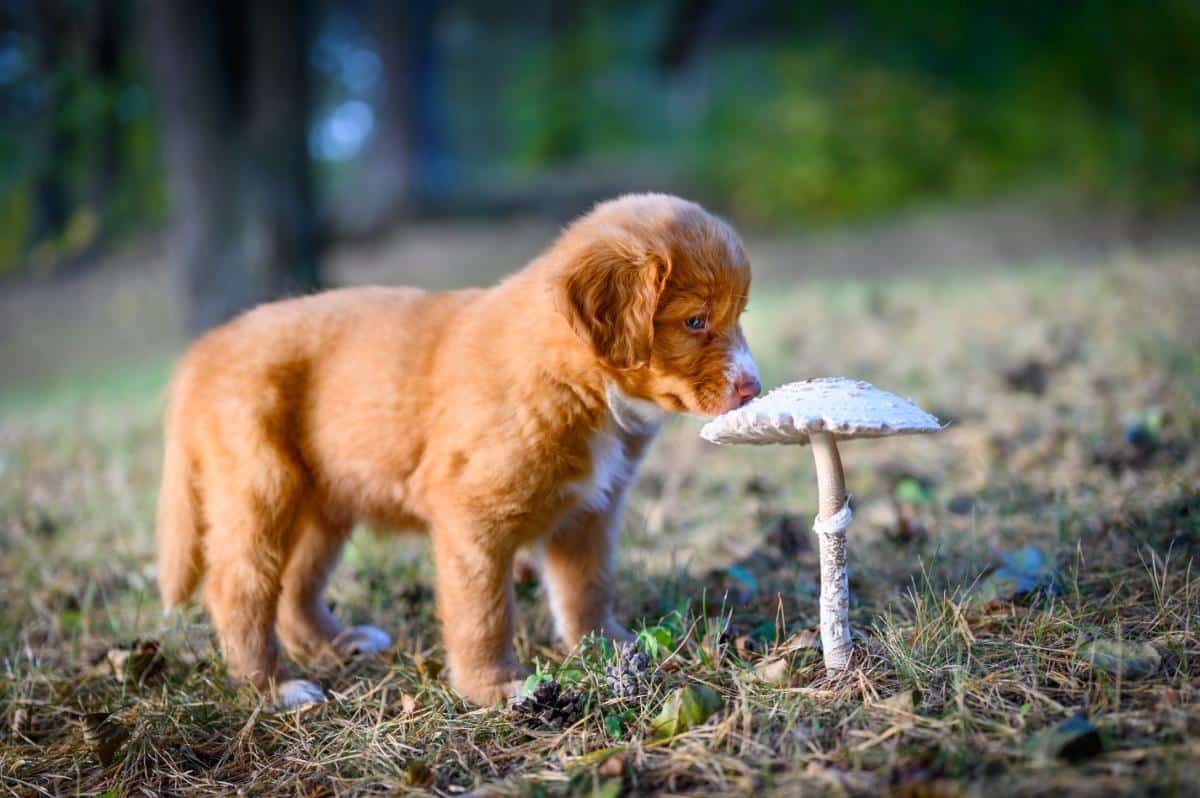
Unfortunately, our beloved pets like cats and dogs often aren’t as reactive (or smart). They don’t have the same natural instincts or learning opportunities, which means they might investigate or eat things they shouldn’t. And they might eat the same bad thing multiple times, even after being poisoned.
This difference in learning between wild and domestic animals may mean that a large component of the conditioned food aversion is social. The animals know which mushrooms are safe to eat by learning from each other, something that pets don’t have the same opportunity to do.
Sensory Cues
Many poisonous plants and fungi contain bitter compounds that animals instinctively avoid. Bitter taste receptors are found throughout the mammal family. And, they help animals reject potentially harmful foods before they even swallow them. We (humans) have the same receptors for bitter, and we use them also to determine if we want to eat a food or not.
While bitter taste isn’t a perfect toxicity detector (some toxic things don’t taste bitter, and some bitter foods are actually perfectly edible and healthy), these taste and smell signals serve as helpful first filters in deciding what to eat. After a bad experience, the mushroom’s taste (and likely smell) becomes a powerful “warning” sign that helps animals stay away. In this case, the animals know which mushrooms are safe to eat by taste testing or just by smell.
And, on the opposite side, some fungi are specifically trying to attract insects or animals to them, usually to assist with spore dispersal. Many underground fungi, such as truffles, produce strong smells that attract mammals. Animals dig these fungi up and eat them, which helps the truffles spread their spores. Recent research shows that the spores of at least 58 species of mycorrhizal mushrooms can survive in the digestive tracts of 40 different mammals.
Evolutionary Adaptations
Fungi and mammals have interacted closely for millions of years. This co-evolution is part of why they have an interconnected life is, and it is important for the overall health of the ecosystem. Changes in one group (fungi) are linked to behaviors in another (mammals).
But how do animals know which mushrooms are safe to eat? Over time, animals and humans have developed ways to tolerate or neutralize certain toxic compounds. There are things humans can eat that other animals can’t (like chocolate, which dogs can’t eat, and garlic, which cat’s can’t eat). We all evolve to make the most out of our environments.
Studies show that squirrels can eat fungi that would make human foragers very sick, including members of the Amanita family, without any problems. This suggests they’ve developed special physiological or enzymatic abilities that help them break down fungal toxins before they can cause harm. Some animals just aren’t as affected by the same mushroom toxins that would make us sick, probably due to differences in their liver enzymes or digestive systems. In this case, the animal’s evolution and specialized digestive system helps it know which mushrooms are safe to eat, and it is not the same with every animal species.
This toxin tolerance isn’t just limited to mushrooms. It’s well documented across the animal kingdom. Some insects, amphibians, and reptiles can eat toxic plants or prey that contain dangerous compounds. The monarch butterfly is a perfect example. Monarch butterflies eat toxic milkweed plants as caterpillars, and the chemicals they consume make them toxic to predators. Evolution can shape an animal’s ability to handle toxic foods.
Behavioral strategies
Animals that regularly eat mushrooms might be picky eaters. They may avoid mushrooms with certain colors, textures, or smells that they’ve learned to associate with bad experiences. And, animals living in areas with lots of toxic species might rely more on learning from their social group or their own experiences to make safe foraging choices. These animals know which mushrooms are safe to eat from their families and by experimenting on their own. Some animals even become fungi specialists, developing preferences for certain mushrooms over generations.
Scientists studying animal food choices also say that observation plays a huge role in foraging behaviors. Baby animals know which mushrooms are safe to eat by watching their parents and friends. This cultural knowledge sharing about food sources is well-documented in primates, birds, and plant-eating animals. When grown-ups in a group avoid certain mushrooms, the youngsters usually follow suit.
However, it’s important to note that animals aren’t always perfect mushroom foragers. While reported cases of wild animals getting sick from mushrooms are pretty rare in scientific literature, they do happen. Though it is much more common with pets, as mentioned earlier, who haven’t developed natural avoidance instincts. For our pets, gaining the ability to know which mushrooms are safe to eat is more complicated.
Biology and ecology of the mushrooms themselves
Many mushrooms do not want to be eaten by animals. Some do, as a method of spore dispersal (reproduction), but others actively evolve strategies to deter animals from eating them. These mushrooms produce an array of toxic compounds as their primary defense mechanism. They create their own chemical shield against potential predators (eaters).
This strategy helps protect their reproductive structures so that they have enough time to successfully release their spores into the environment and ensure the next generation’s survival. The defensive compounds affect different creatures in different ways, too, depending on what strategy is best for the mushroom.
While certain toxins might cause devastating effects in tiny insects and other small creatures, larger animals might experience completely different reactions based on their physiology. Some mushrooms have toxic compounds that trigger immediate paralysis or severe illness. Other fungi have evolved to be just unpleasant enough to discourage future sampling. And, some mushrooms are tasty and edible for one or more species of animal, and then deadly to other species.
On the other hand, some mushrooms have evolved adaptations that make them more desirable to animals because they depend on them to help spread their spores (i.e truffles).
Despite all these mechanisms, there’s no one-size-fits-all rule for all animals in all habitats. Some animals that eat lots of different foods might still accidentally nibble on a toxic mushroom. If it’s just mildly toxic, they might get sick and learn to avoid that type in the future. Animals that regularly include fungi in their diet are more likely to have developed precise taste preferences, learned signals, and digestive systems that help them handle potential toxins so they know which mushrooms are safe to eat.
Who Eats What?
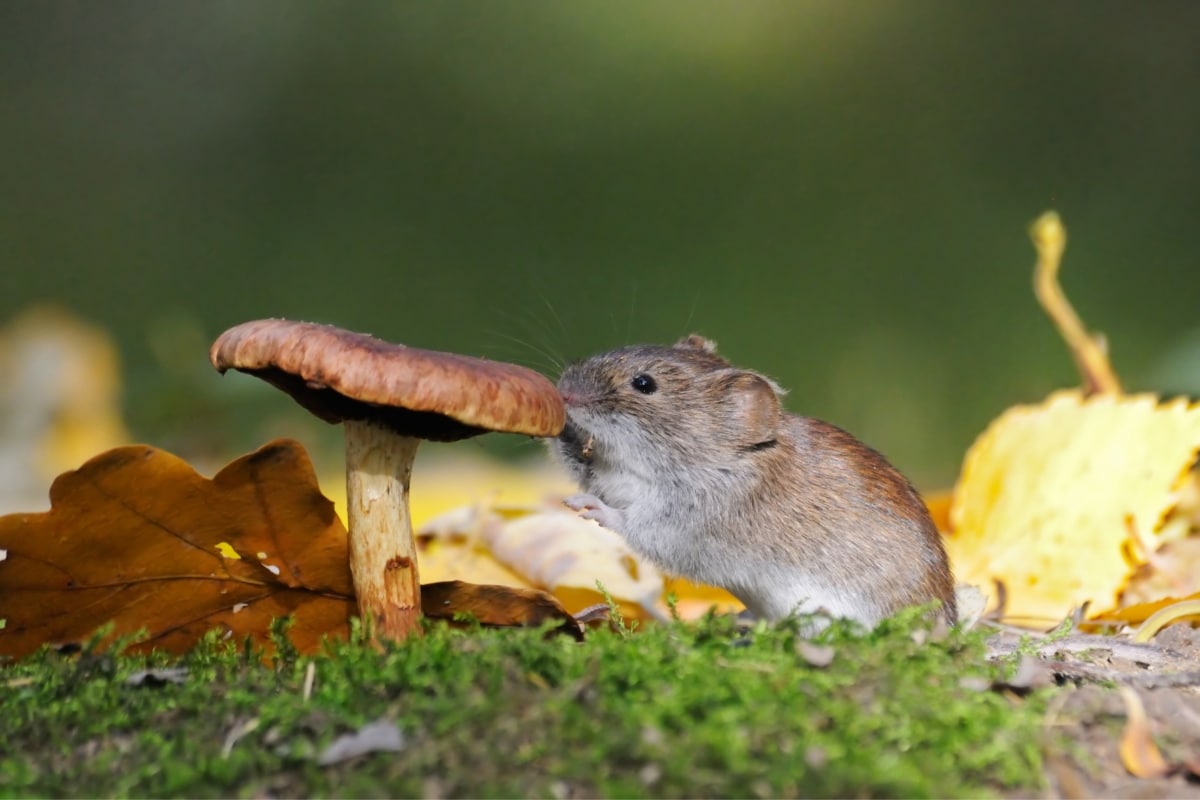
This is not a full list of animals and the mushrooms they eat. There are so many! As of now, we know some tortoises, lizards, frogs, salamanders, grouse, turkeys, crows, parrots, slugs, snails, beetles, fly larvae (maggots), ants, termites, springtails, rabbits, hedgehogs, opossums, kangaroos, wallabies, foxes, badgers, deer, elk, moose, wild pigs, bears, monkeys, baboons, chimpanzees, squirrels, mice, voles, and chipmunks all eat mushrooms!
Pigs
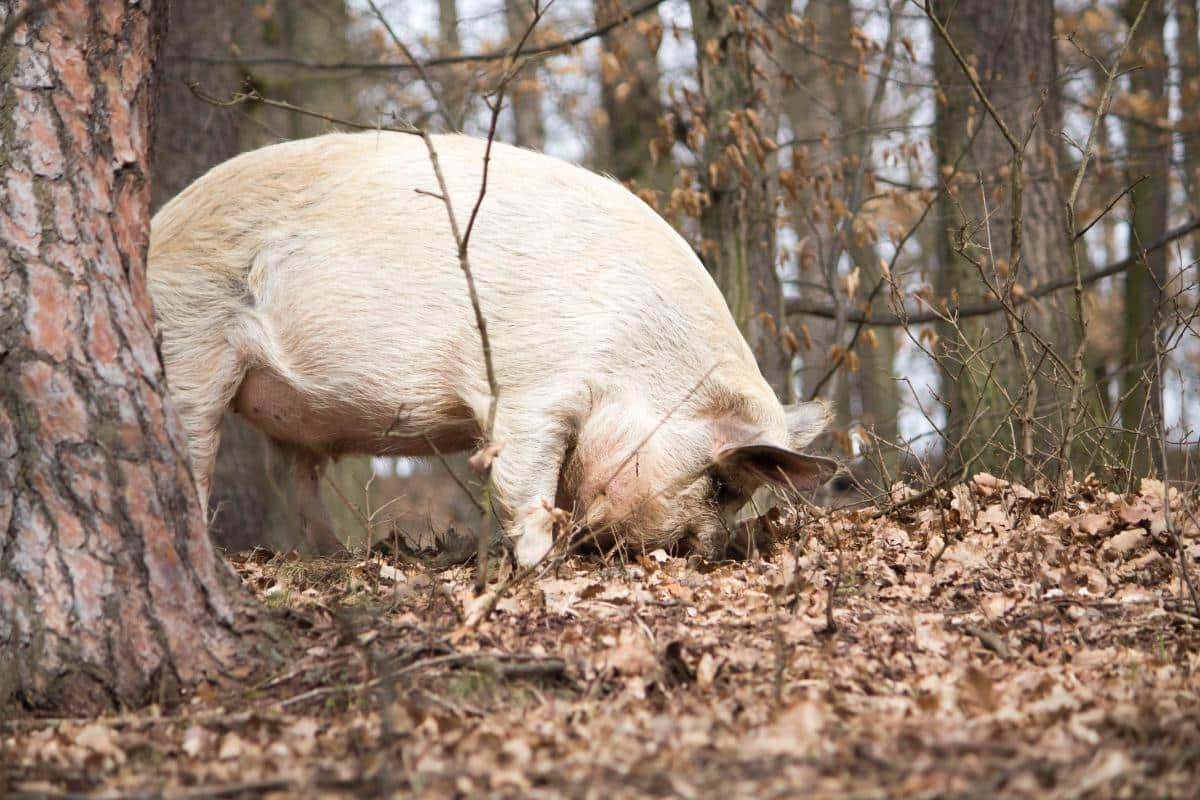
Wild (and domestic) pigs are omnivores with very flexible diets. Research on wild pigs shows that they eat many types of mushrooms, although fungi generally make up a small portion of their overall diet compared with roots, seeds, fruits, and animals.
Recent research in forests of Korea found that wild boars frequently consume Rhizopogon species, a group of mycorrhizal fungi associated with pine trees.
Truffles and truffle-like species that grow underground (Hysterangium, Melanogaster, Radiigera, and Gautieria) are commonly eaten by pigs. These fungi are often rich in nutrients and have strong odors that help pigs locate them by smell. Wild boars eat these underground fruiting bodies while rooting in soil, and then they disperse the spores in their feces.
Research using scat analysis in Florida identified Psathyrella species (a group of common saprotrophic mushrooms) among other fungal DNA in boar feces.
Bears
Bears are omnivores and eat meat, plants, and fungi. They eat mushrooms as part of their larger diet, and it seems most of their foraging is opportunistic. If they see something they like (plant or fungi), they’ll eat it. Some mushrooms they may seek out, or be drawn to, because of their smell, like truffles.
Yellowstone grizzly bears have been documented eating boletes (e.g., Suillus species), Russula species, and milky caps (Lactarius species). They were also observed eating morels (Morchella elata)and digging for false truffles in the genus Rhizopogon. The bears locate them by scent.
American black bears eat boletes, russulas, and chanterelles.
Squirrels
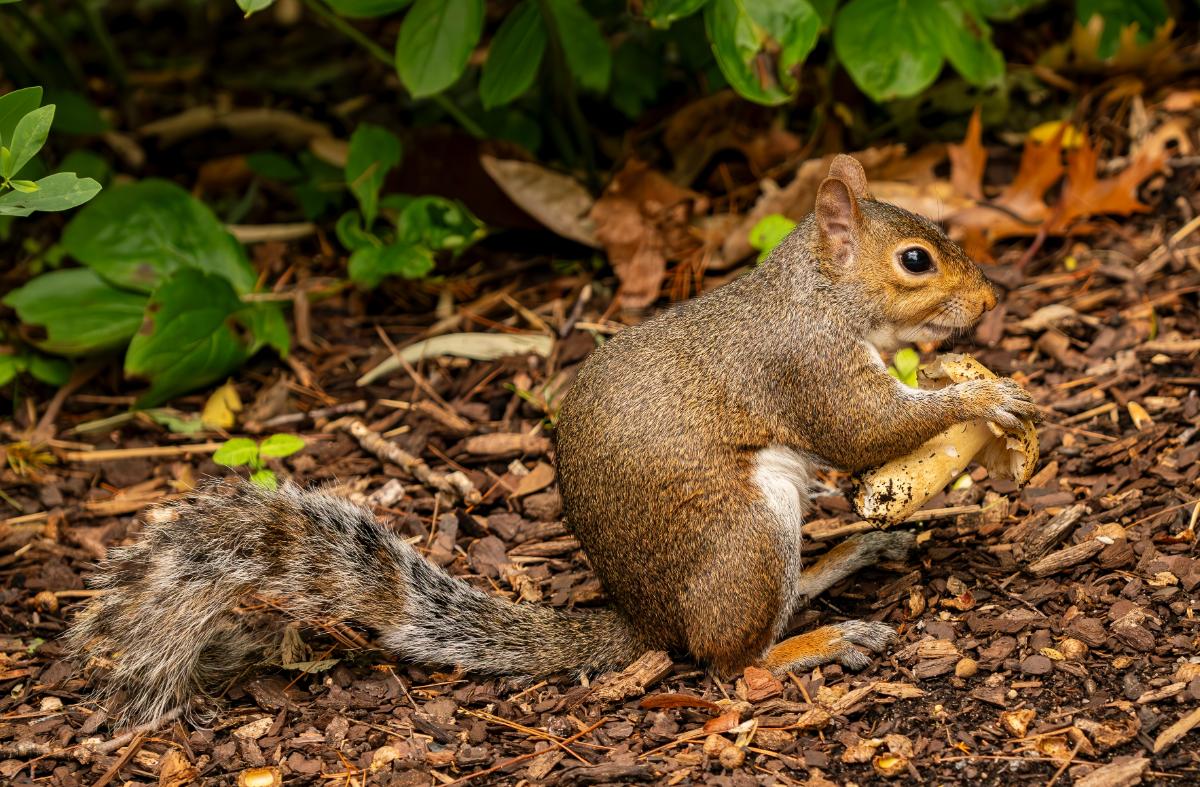
Squirrels are well-known connoisseurs of mushrooms. Research shows that when mushrooms are available, they often become an important seasonal food resource for squirrels, especially in summer and autumn when fungi are most abundant.
Studies of red squirrels (Sciurus vulgaris) in subalpine forests found that they eat boletes and Laccaria species. Squirrels have also been observed eating Russula species.
There are documented observations of Japanese squirrels (Sciurus lis) eating Amanita muscaria (fly agaric) and Amanita pantherina (panther cap) — species that are toxic to humans.
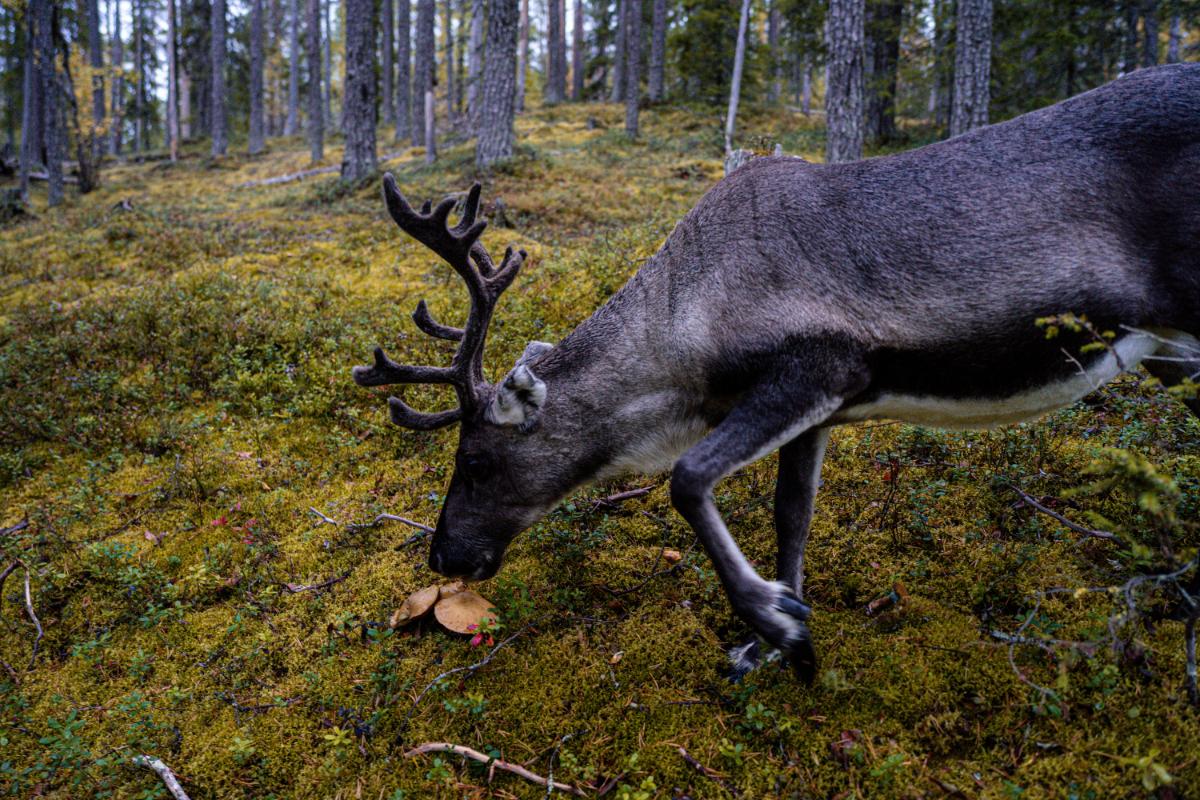
Deer
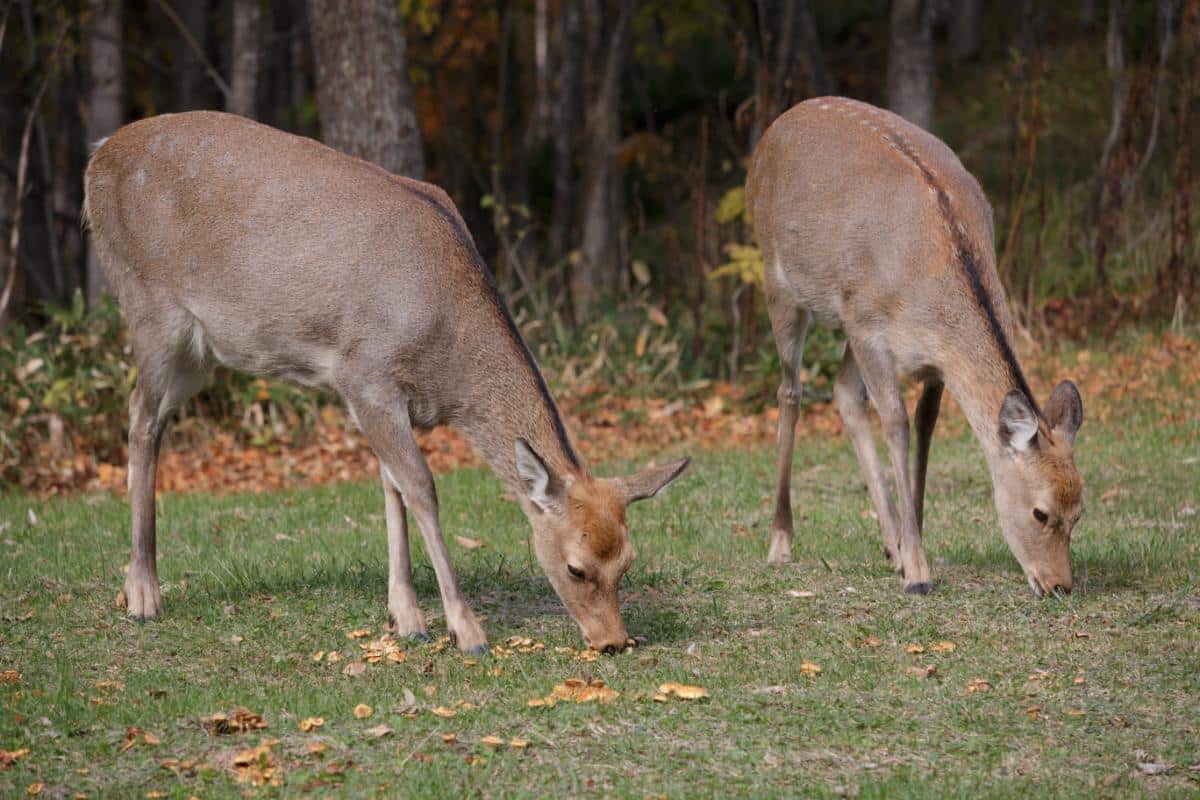
Deer eat mushrooms as part of their diet, especially when fungi are abundant in their habitat. In fact, mushrooms are a significant part of their diet when available. Deer mycophagy (mushroom eating) is both diverse and widespread when mushrooms are available on the forest floor.
Scientific research using DNA analysis of deer feces in boreal forests of Québec found that deer consumed hundreds of different mushroom species. These include chanterelles, Lactarius deliciosus, Cortinarius, Armillaria, Pholiota, and Hypholoma. In total, the researchers identified evidence of 580 mushroom species in the deer diet.
Field observations show deer eating morels, chanterelles, puffball mushrooms, and boletes, as well as oyster mushrooms.
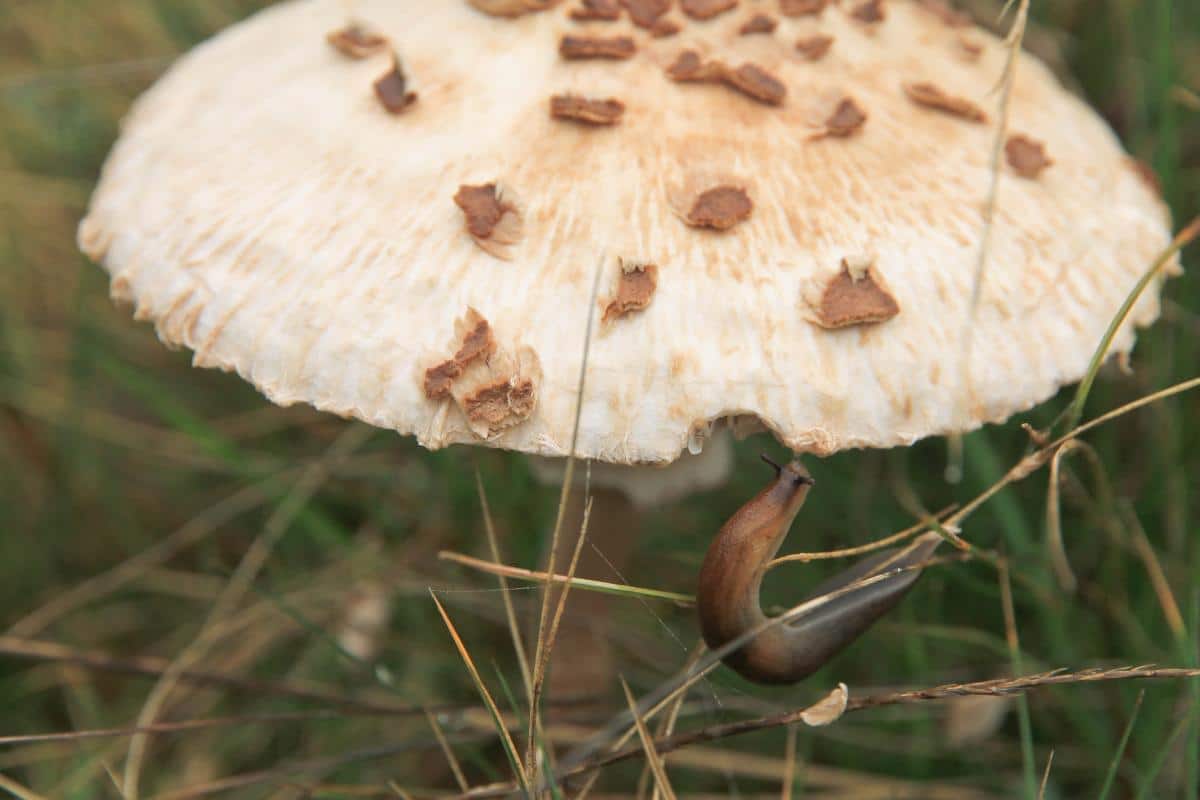
Slugs and Snails
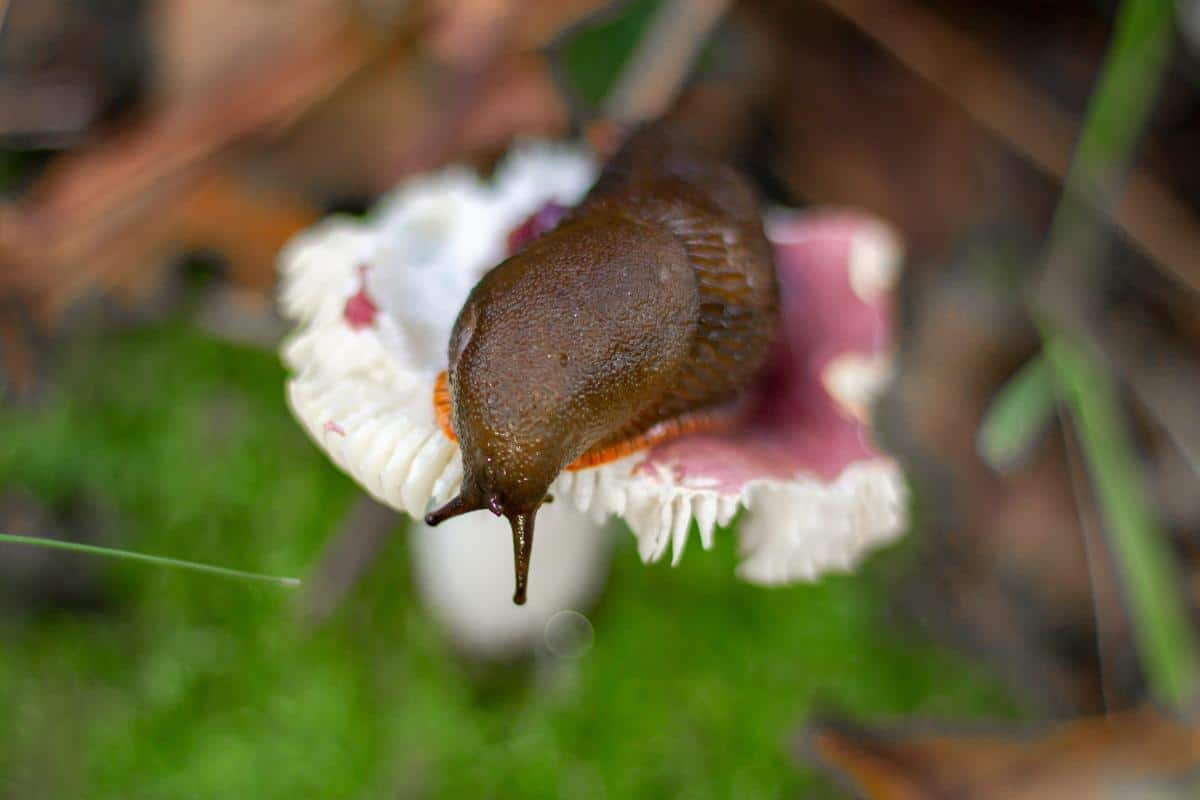
Slugs and snails commonly eat mushrooms, as every mushroom forager knows, because so many times we’re in a race against them (specifically slugs) to get to the edible mushrooms first! Research and field observations show that slugs feed on a range of mushrooms.
These gastropods eat milk-caps, oyster mushrooms, and boletes. They also have been observed eating Agaricus, Pleurocybella, and Russula species.
Interestingly, mushroom-eating slugs do not eat all mushrooms equally. Instead, they seem to prefer certain mushroom species and avoid others, even when the avoided mushrooms are common.
Notably, in one study, the local slugs rarely ate species like Cantharellus cibarius, Craterellus tubaeformis, Hydnum repandum, and Hydnum umbilicatum, which are well-known edible mushrooms (for humans) and are fairly widespread. This suggests that these mushrooms may have natural defenses that protect them from slugs. This is an interesting topic to study further – do slug preferences differ from place to place? And of course, between slug species, and native vs. non-native?
Monkeys
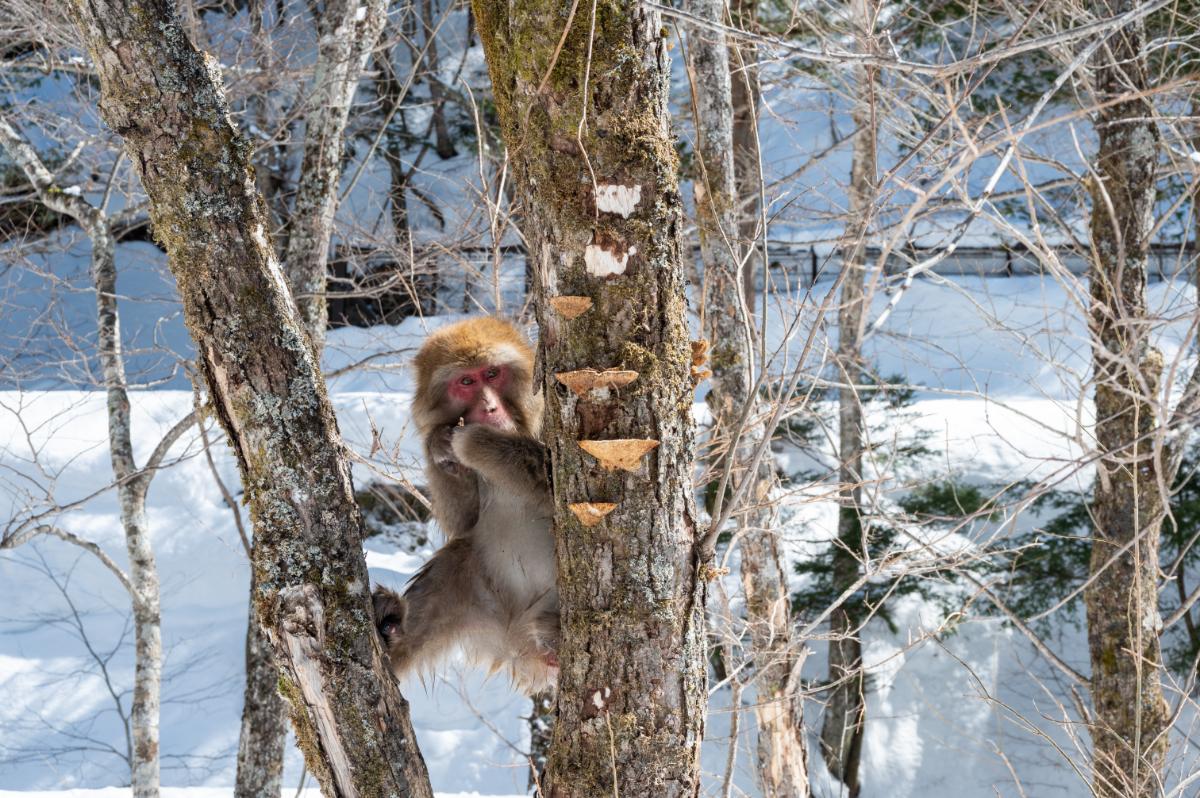
Studies show that several species of monkeys and other primates eat mushrooms, although they generally make up just a small part of most primate diets. They are often eaten seasonally or when other foods are scarce.
In the Amazon rainforest, researchers observed Peruvian spider monkeys (Ateles chamek) eating the mushroom Oudemansiella canarii. This is a mushroom that grows on fallen logs and is relatively high in protein.
Long-term field studies in Tanzania’s Issa Valley show that chimpanzees (Pan troglodytes schweinfurthii), yellow baboons (Papio cynocephalus), and red-tailed monkeys (Cercopithecus ascanius) all eat mushrooms as part of their diet during the wet season, when fungi are most abundant.
Curious about ongoing mycophagy studies with monkeys? Check out this ongoing project.
Birds
Some birds also eat fungi, even though this is less well known than in mammals. Birds like turkeys and grouse scratch through leaves while looking for food and sometimes eat mushrooms or underground fungi they find. Scientists have found truffles in wild turkey stomachs and many different fungi in the digestive systems of spruce grouse. Other birds, such as crows and jays, tear apart mushrooms to eat the insects living inside them, while gray jays sometimes eat mushrooms and slime molds directly.
If you are curious to know more about animals and their relationships with fungi, check out this book Animal Mycophiles: Critters That Hunt, Farm, Self-Medicate and Get High on Fungi!~
Aaron says
I like the article! Enjoyable read. Thank you for writing.