

There are two diseases that have affected and are currently affecting eastern North American trees, which might put morels in danger. These aren’t the only trees morels grow under or with, but they are an important part of morel ecology and ultimately, their lifespan and ability to regenerate. What will happen to morels if we lose both these tree species in our eastern forests?
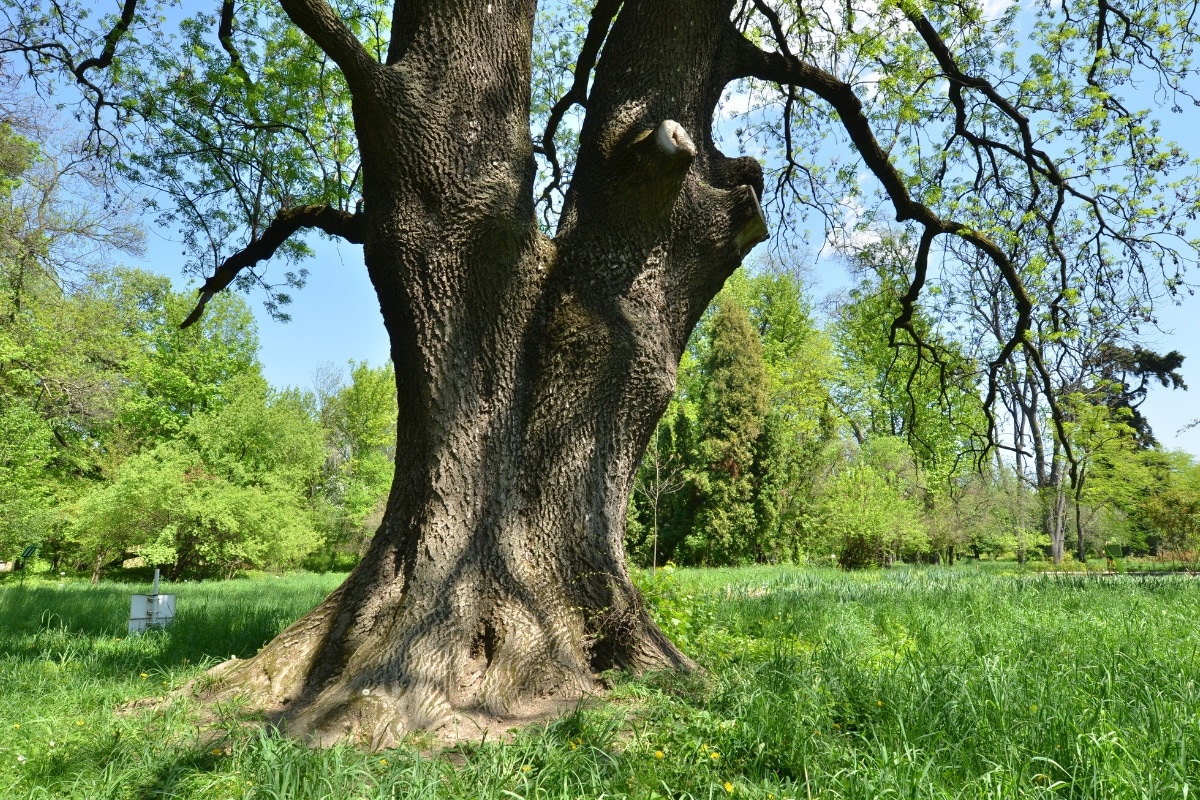
Dutch elm disease has been around since the early 1920’s, but it wreaked the most havoc in the 70s and 80s. Nowadays, it is rare to see an elm tree, and especially an old elm tree, in the forest.
More recently, another prime morel-associated tree is under attack in a major way. Emerald ash borers are devastating ash tree populations in eastern North America in a huge numbers. So, what does this all mean for morel hunters in eastern North America? And what does this mean for morel mushrooms as a whole? Will this put morels in danger?
Jump to:
- Why Morels Need Trees
- The Dutch Elm Disease Wave
- A Generation of Easy Morels
- The Emerald Ash Borer Arrives
- Ash and Morels: The Same Story Again
- Dying Trees and Bountiful Morels
- Regional Differences: East Vs West
- What the Two Tree Plagues Have in Common
- Which Morels In Danger From Dutch Elm Disease and Emerald Ash Borer
- What the Future of Eastern Morel Hunting Looks Like
Why Morels Need Trees
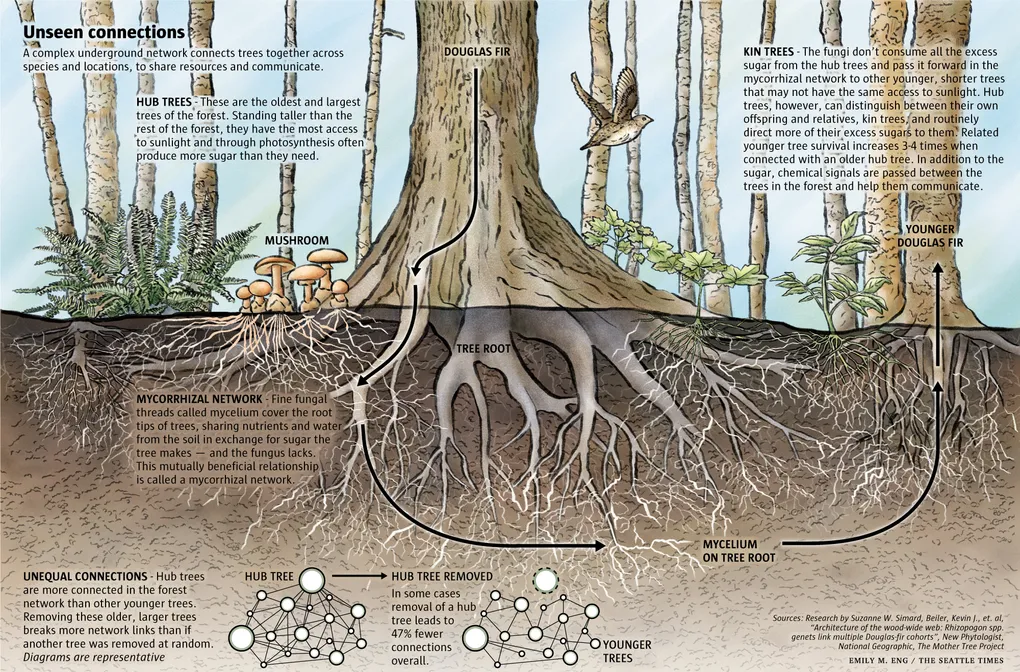
Morels and trees have a mycorrhizal relationship. This means that the morels are partners with living trees. The mushroom grows in a thin web underground, called mycelium, and this mycelium connects to the tree roots. The tree gives the fungus sugars made from sunlight, and the mushroom gives the tree water and minerals it pulled from the soil. This is a mutually beneficial relationship.
The morels don’t fruit under just any tree, though. Each morel species has specific tree partners it links up with, and these are not usually interchangeable. These relationships have developed over millennia, and creating new relationships takes time, if it’s even possible. Other trees may not need the fungi partnerships, or they already have relationships with other fungi, and don’t need to hook up with morels.
Morels are also recyclers. The mycelium breaks down dead leaves, dead roots, and dead wood, and pulls nutrients out of that decaying material. When a host tree dies or starts to decline, the morel switches modes. It stops trading with a living partner and starts feeding on what the dying tree leaves behind. This switch is part of why morels show up in such big numbers under sick or recently dead trees, especially American elm and ash.
The existence of morels and their tree partners isn’t separate things. The mushroom is connected via a small, invisible underground network to specific trees for years. If the right trees aren’t there, there will be no morels, and this could put morels in danger.
The Dutch Elm Disease Wave
Dutch elm disease arrived in the United States in 1928. The fungus came in on a shipment of European elm logs to be used in the Ohio furniture industry. There was a federal quarantine in place, and that kept the disease close to New York City for many years. However, in 1941, wartime cuts shut down the inspection programs.
The disease moved across the country in waves after that. In 1950, it reached Detroit, then was in Chicago by 1960, and Minneapolis by 1970. There were about 77 million elm trees in North America in 1930, and by 1989, more than 75 percent of them were dead.
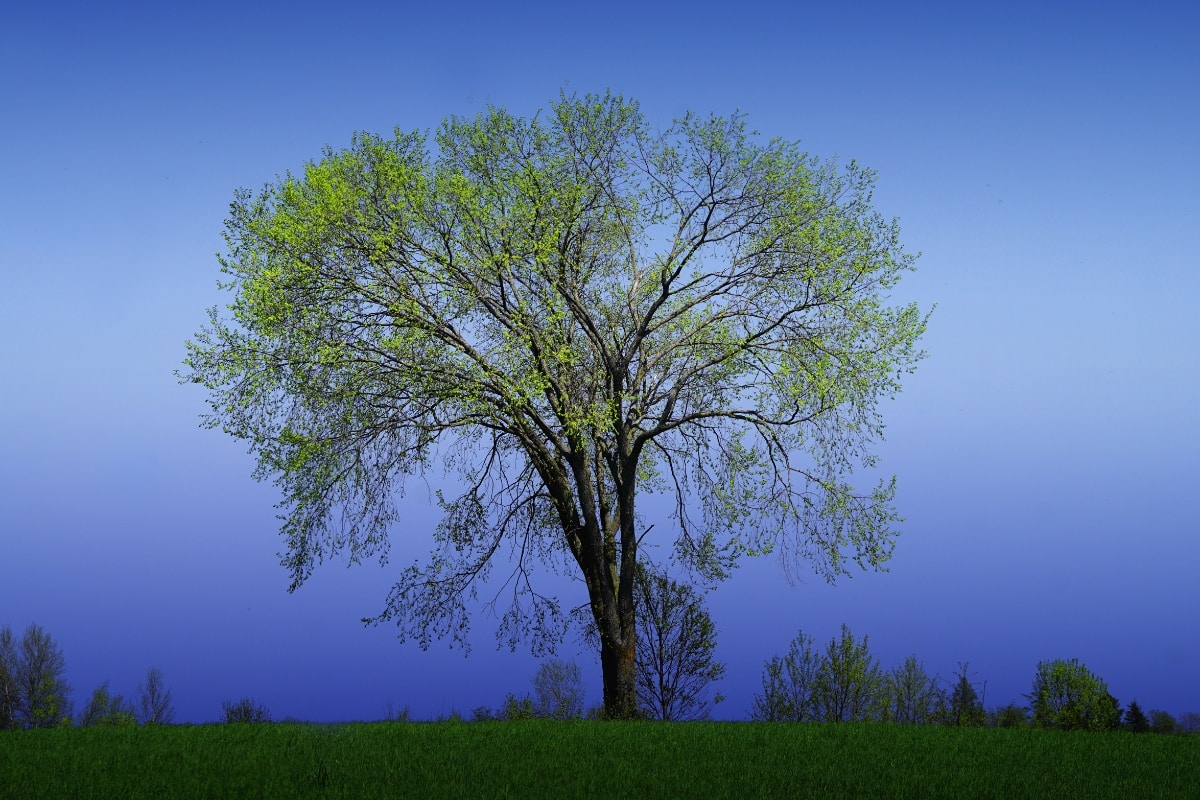
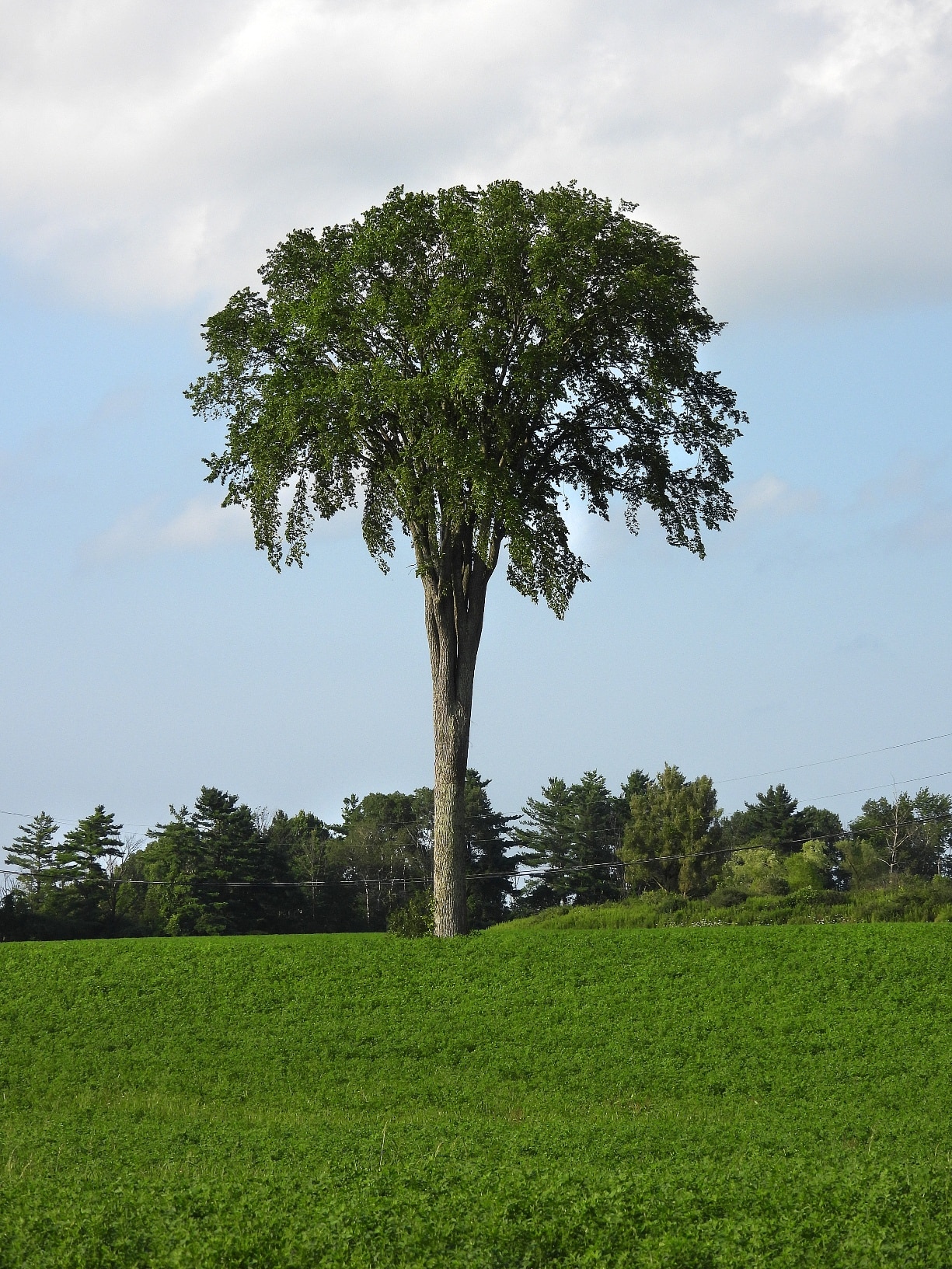
The American elm was once a dominant tree across eastern North American forests. The disease erased it from farms, floodplains, and city blocks across the eastern half of the continent. In Toronto, 80 percent of the elm trees died during the same period. A few cities, including Quebec City and Winnipeg, held on to most of theirs through aggressive sanitation programs, but most of the rest of North America did not.
The disease itself is caused by two related fungi, Ophiostoma ulmi and the more aggressive Ophiostoma novo-ulmi. Both of these fungi are spread by elm bark beetles, which burrow through the outer bark and then carry the fungal spores from tree to tree. The fungus blocks the tree’s ability to move water, and the tree’s leaves wilt and die from the top down. Once infected, a tree might die within a single year, or it may linger in slow decline for several years. It depends on the fungal species and how much of the root system the disease has reached.
A Generation of Easy Morels
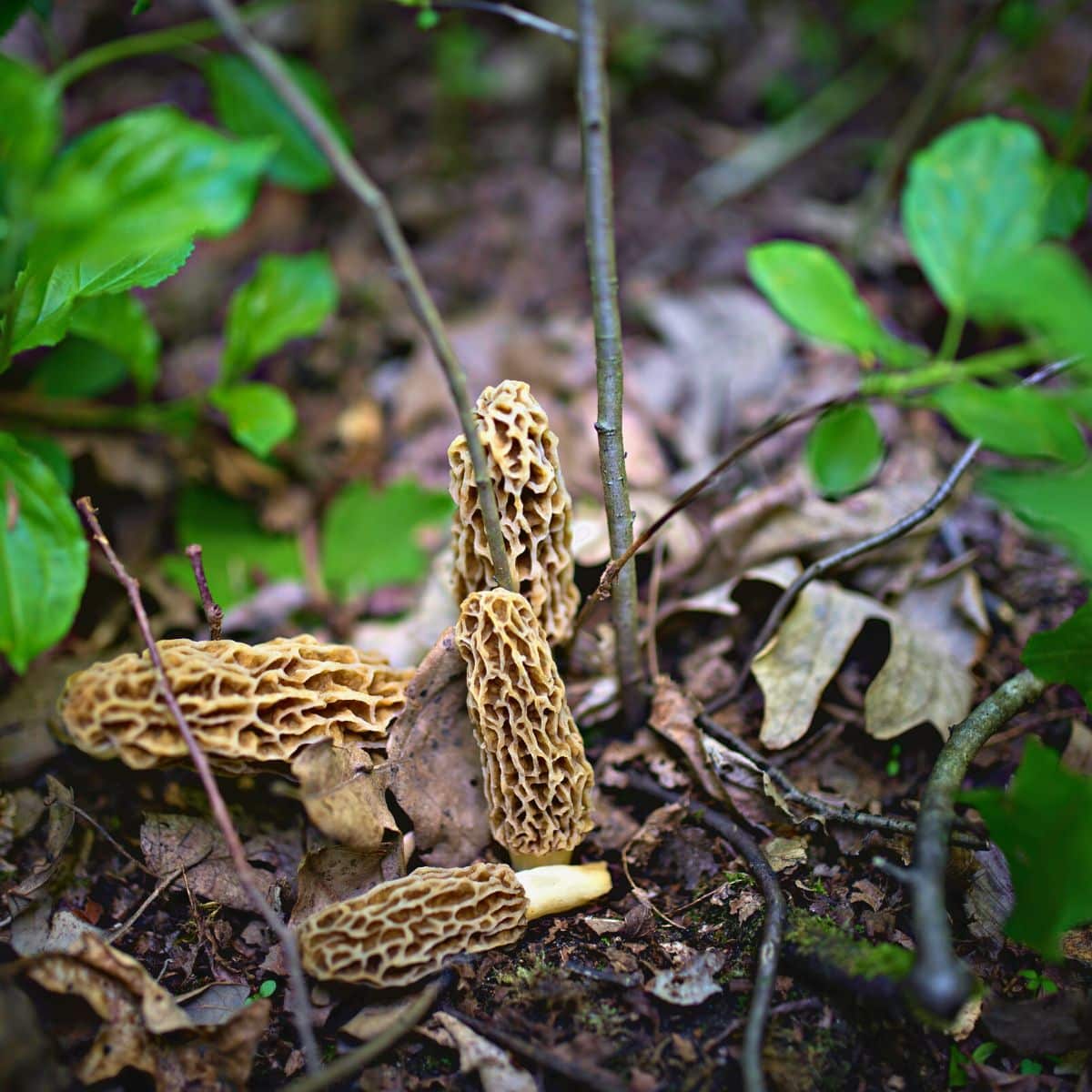
The most widely distributed yellow morel in North America, Morchella esculentoides, is frequent under dead or dying American elms east of the Rocky Mountains. For decades, a dying or recently dead elm with most of its bark intact and some of its smaller branches still attached was the textbook morel tree. Once the tree has fallen, lost its bark, or been dead for years, though, the morels stop fruiting. This is likely because they have no more access to nutrients from the tree.
The peak of Dutch elm disease across the Midwest, roughly the 1960s through the 1980s, was actually a golden age of morel hunting. The dying elm trees were so widespread across rural Iowa, Illinois, Indiana, Ohio, Michigan, Wisconsin, and Minnesota that hunters could walk an old farm or floodplain in late April and find sick trees in nearly every direction. And, each one was a potential morel patch.
Most of the old American elms are gone now, and the golden age of morels is long in the past. Elm trees still grow, and might reach 30 feet before dying off again from a new infection. A few pockets of mature elms remain in places like Winnipeg, which has roughly 200,000 elms in what’s now the largest urban elm forest in North America. There is also a large growth of elms on the National Mall in Washington, D.C. Here, active treatment has kept the rows largely intact for more than 80 years.
The Emerald Ash Borer Arrives
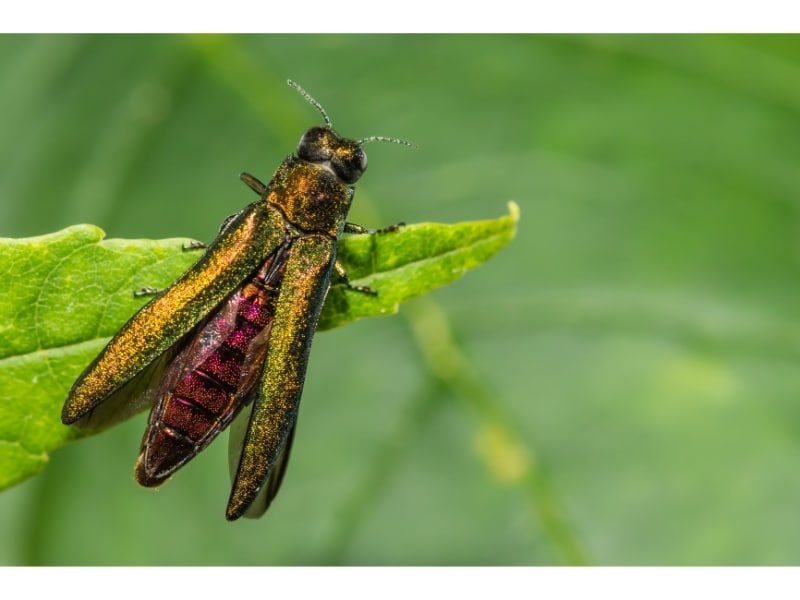
The emerald ash borer is a half-inch metallic green beetle native to northeastern Asia, and it was first identified in southeast Michigan in 2002, near Detroit. The genetic and tree-ring evidence suggests the beetle was already established in Michigan since the early to mid-1990s, though. The original introduction probably came in on wood packing material in cargo shipments.
The damage has spread fast. As of April 2026, the emerald ash borer has been confirmed in 37 states and the District of Columbia, plus six Canadian provinces. The death toll runs into the hundreds of millions of ash trees, and there is again, like with Dutch elm disease, little to nothing we can do to stop its spread. Federal officials at USDA APHIS removed the domestic quarantine on January 14, 2021, concluding that eradication is no longer feasible and that the focus should be on management and containment.
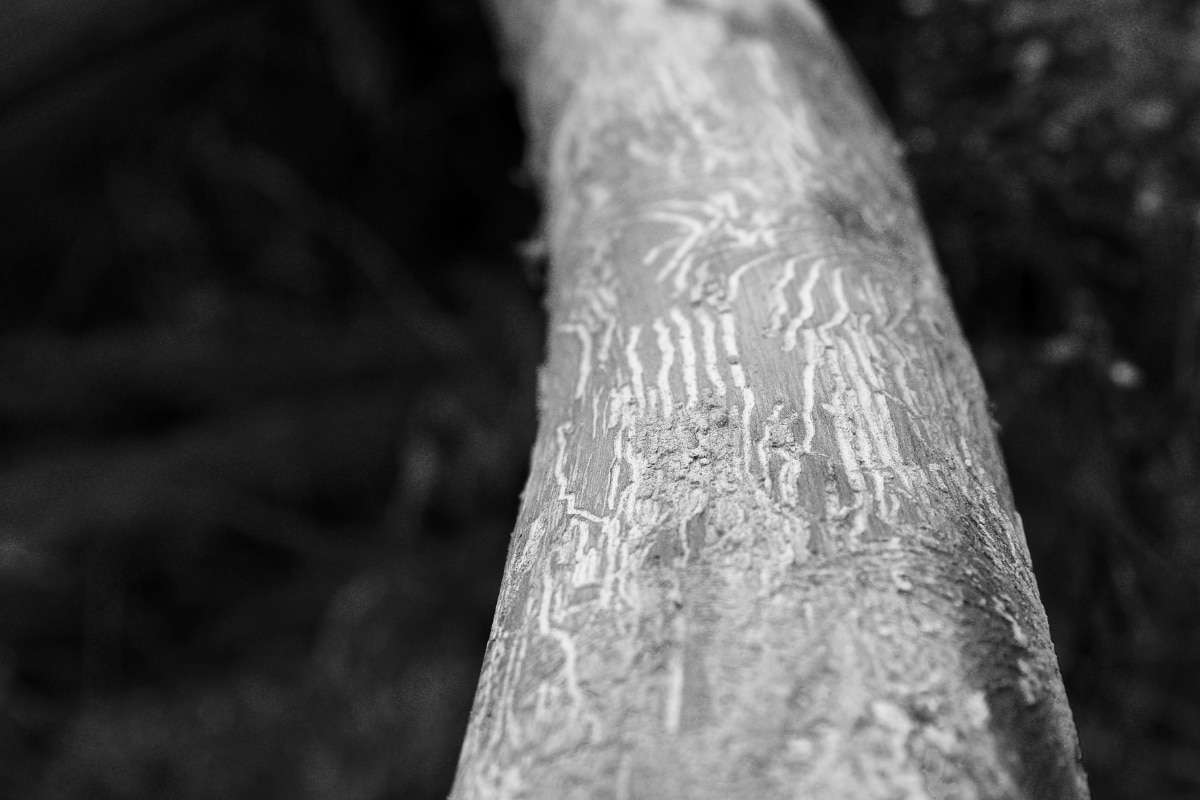
The adult beetles nibble ash foliage but cause little damage. The larvae do the real harm. They tunnel under the bark and cut the tree’s vascular system, and the tree starves over a period of two to six years. These trees have no co-evolved defenses, so even healthy trees of all ages and sizes are vulnerable. There are about 8.7 billion ash trees across North America, and most of them are at risk.
Ash and Morels: The Same Story Again
The ash tree is also a classic morel host. The same morel species that grows with elm trees, Morchella esculentoides, is frequent under living white ash and green ash east of the Rocky Mountains. The morel-ash relationship hasn’t received the same attention as the morel-elm relationship, partly because ash mortality on a continental scale is a recent phenomenon.
That’s now changing. Across the same eastern range where Dutch elm disease once created a constant supply of dying hosts, emerald ash borer is killing millions of ash trees in the same forests, the same floodplains, and the same farm windbreaks where the elms used to fall. If the morel response to dying ash mirrors the response to dying elm, the next decade or two could bring exceptional morel fruiting across huge stretches of the eastern United States. This may seem like a bounty, but the cost is losing all the host trees and future morel growth afterward.
What’s Being Done
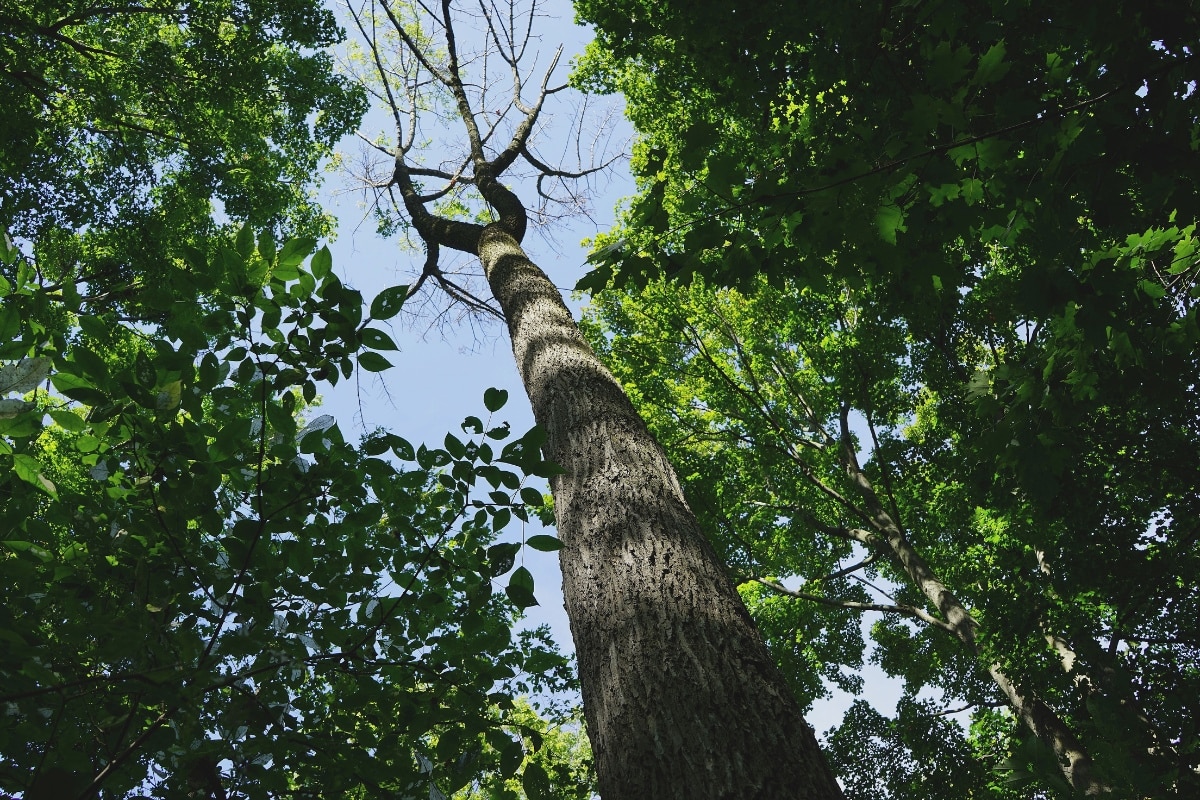
Not all ash trees die from the emerald ash borer. A small number of trees have survived attacks, and now researchers are using these survivors to breed emerald ash borer-resistant native ash trees. But it will take years before any new trees are ready to plant.
The other approach is biological control. Scientists traveled to Asia to identify natural enemies of the borer in its native range. Four parasitoid wasp species were identified and assessed for safety for release in the United States. One species, Oobius agrili, lays its eggs inside the borer’s eggs. Three others, Tetrastichus planipennisi, Spathius agrili, and Spathius galinae, lay their eggs in or on the borer larvae. The wasp larvae hatch and then eat the emerald ash borer.
More than 5 million parasitoid wasps have been released since 2007. Three of the four species have established themselves in the areas where they were released, and in some sites, up to 80 percent of the emerald ash borer larvae examined had been parasitized. The hope is that these wasps will slow the spread of the emerald ash borers enough to give the ash trees a chance to survive.
Dying Trees and Bountiful Morels
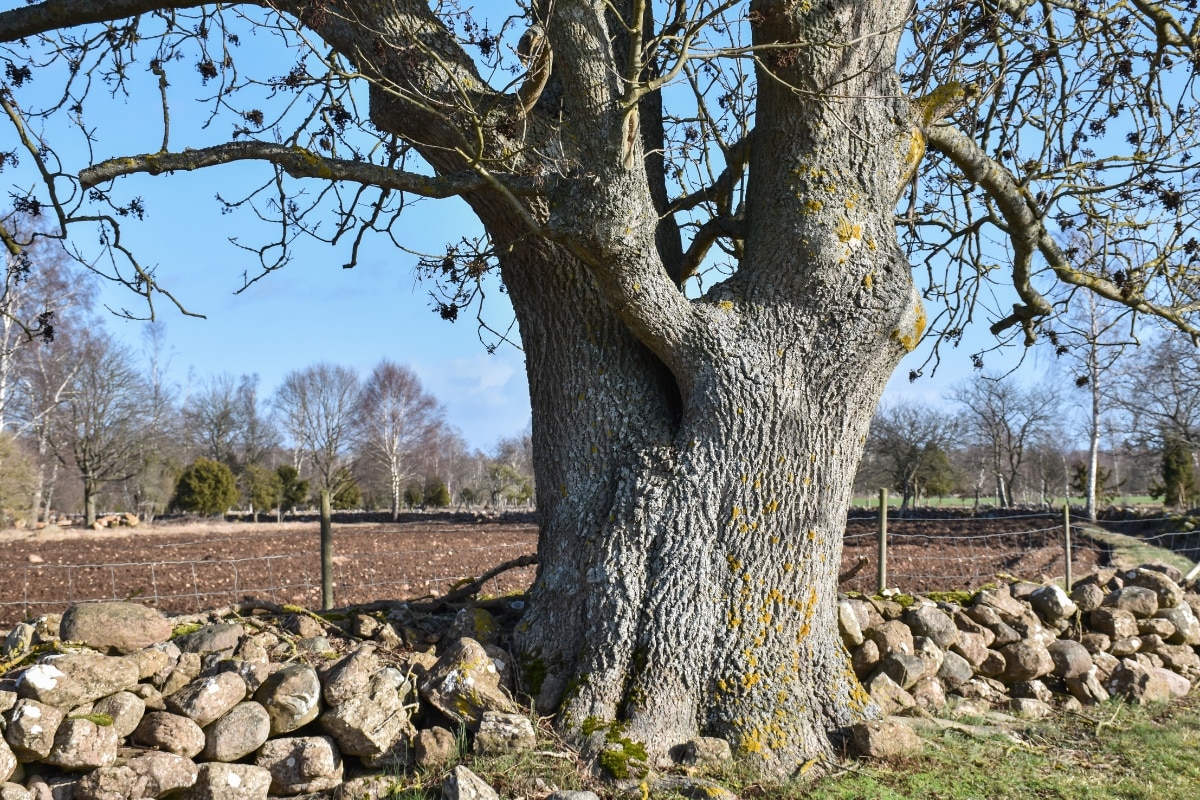
Morel mushrooms fruit strongly under recently dead and dying trees, but not with long-dead skeletons stripped of bark. With Dutch elm disease, the productive morel fruiting window for any single tree was a few years between the first signs of decline and the loss of bark and structure. Beyond that point, the tree wouldn’t have morels under it.
The emerald ash borer kills ash trees on a similar timeline. An infested ash dies two to six years after symptoms first appear, which gives foragers a workable window to scout an infested area, mark dying ash, and check the ground around them in spring.
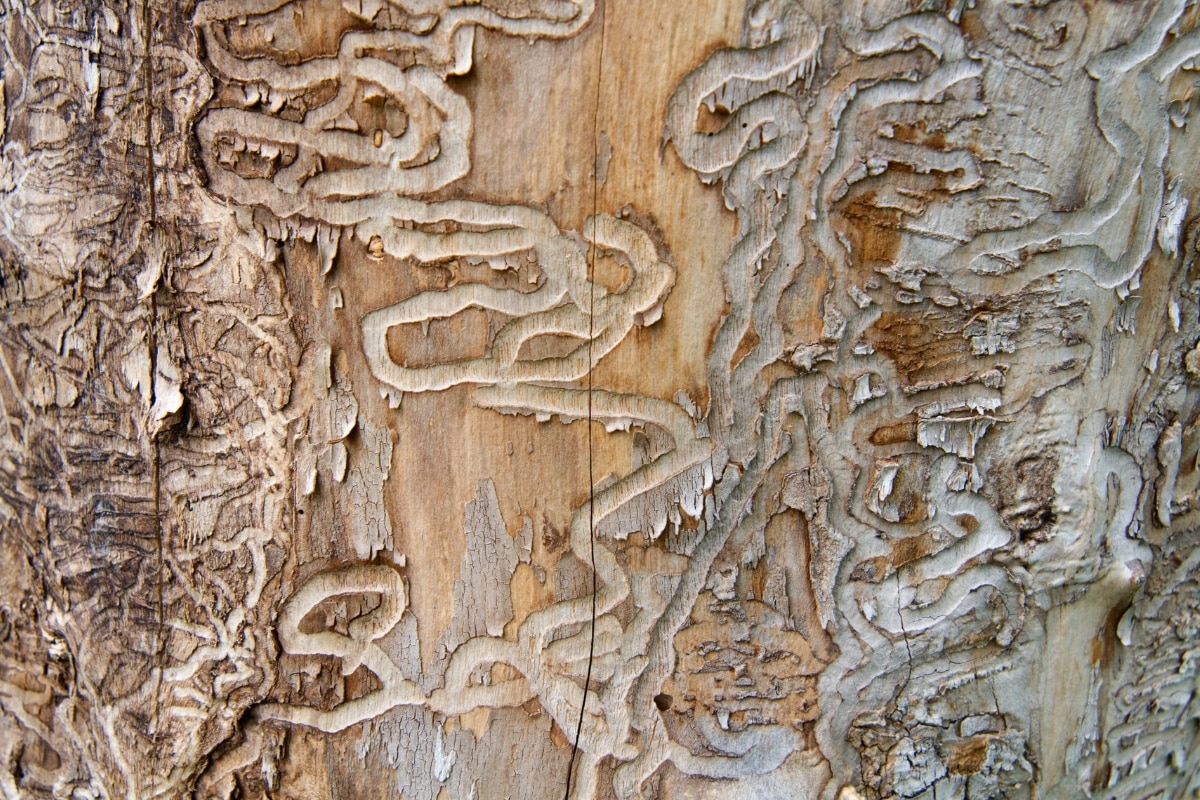
The first signs of an infested ash tree are thinning in the upper crown. The second is “flecking” on the trunk. This is light-colored bark that woodpeckers have stripped away while feeding on the larvae underneath. Vertical bark splits are also common as the wood beneath the bark dies. The adult beetles leave small D-shaped exit holes about an eighth of an inch wide when they emerge. Another late-stage sign of a dying tree is a fresh stump sprouting at the base of the tree.
Regional Differences: East Vs West
The morel response to dying trees isn’t uniform across the country. The issues that might put morels in danger on the east coast do not exist in the same way on the west coast.
The emerald ash borer is mostly an eastern problem so far. Most of the confirmed detections are east of the Mississippi, with growing pockets in the Plains states and a few western detections in Colorado, Oregon, and British Columbia. The western states still have isolated detections rather than landscape-scale infestations, though that’s expected to change. Idaho officials issued a public warning as recently as April 2026 about the borer’s eventual arrival in their state.
In practical terms, a forager in Ohio, Pennsylvania, Michigan, Indiana, Illinois, Missouri, Iowa, Minnesota, Wisconsin, Tennessee, Kentucky, Virginia, or West Virginia should expect the emerald ash borer to have an impact on morel habitats for years to come. A forager in Idaho, Oregon, or Washington should expect morel hunting to keep depending on conifer fires, cottonwood floodplains, and landscape mulch beds rather than dying ash, at least until the ash borer fully arrives. But even then, there won’t be so much impact that it would put morels in danger.
What the Two Tree Plagues Have in Common
Both of these diseases came from Asia and arrived through international trade. And, both found North American tree species that had never co-evolved with the pests and had no resistance. They’ve both caused enormous ecological damage, and both, almost incidentally, have set the stage for some of the most prolific morel-fruiting events any region of the world has ever seen.
The full ecological picture is more complicated than just morels and trees. The Dutch elm disease epidemic reshaped the urban canopy and the rural farm landscape across half the country. The emerald ash borer is changing wetland ecology, water tables, and entire forest types. In northern Minnesota and Wisconsin, the black ash swamps are converting to grass, cattails, and shrubs as the trees die. Ash tree species across the continent are on a trajectory that may end with these trees functionally extinct in the wild.
Which Morels In Danger From Dutch Elm Disease and Emerald Ash Borer
Eastern North America has many morel species and more than one species in the elm-and-ash habitat. At least five morel species in eastern hardwood forests grow under elm, ash, or both. As those trees disappear, all five lose one of their primary host environments.
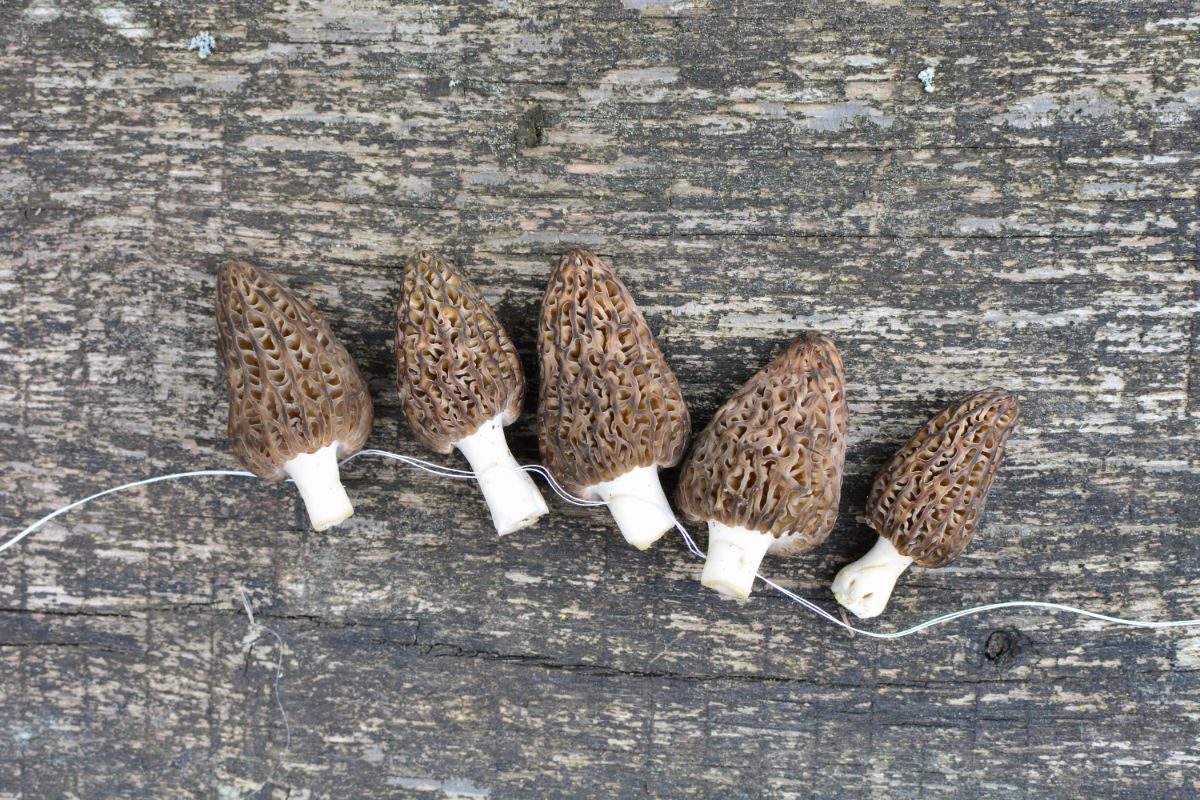
Morchella americana/Morchella esculentoides (Yellow Morel)
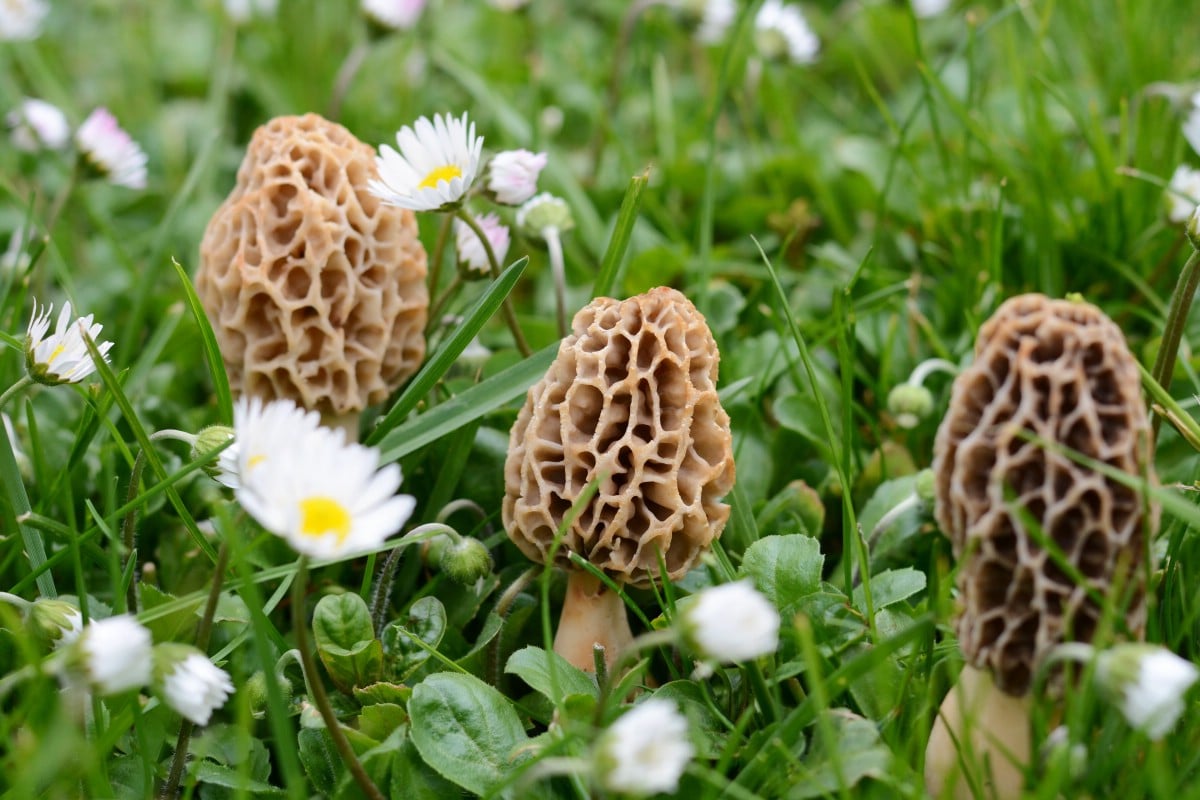
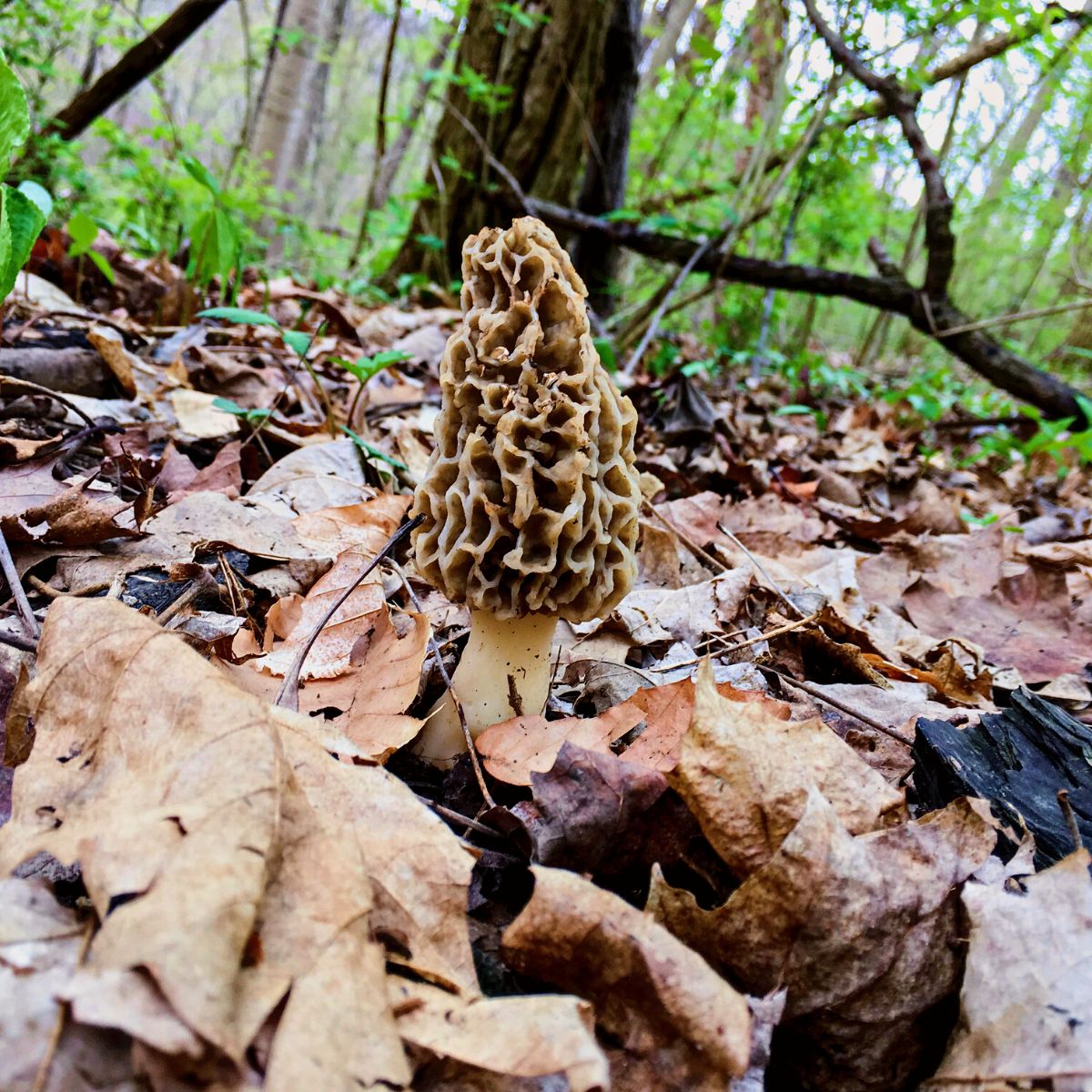
This is the most widespread and abundant morel in North America. East of the Rocky Mountains, M. esculentoides fruits under a wide range of hardwoods, with a strong preference for dead or dying American elms and for living white ash and green ash. It also grows under apple trees in old, untended orchards and under cottonwoods in river bottoms.
This is the species most directly tied to the dying-elm phenomenon and the species that should respond most strongly to dying ash from the emerald ash borer.
Morchella cryptica (Yellow Morel)
This species looks the same as M. esculentoides in the field. The two can’t be reliably told apart without DNA testing across most of the Midwest and mid-Atlantic. M. cryptica also grows under elm and ash, and in old apple orchards.
Morchella diminutiva (Small Yellow Morel)
This is a smaller yellow morel that grows in the east. Its range is east of the Great Plains, and it fruits under ash, tulip tree, and other hardwoods.
Morchella angusticeps (Eastern Black Morel)
This is the most widespread black morel in eastern North America. It fruits on the forest floor under white ash, green ash, and tulip tree. It will also fruit under cherry, aspen, and poplar, though those aren’t as common.
Morchella punctipes (Half-Free Morel)
Half-frees grow east of the Rocky Mountains in hardwood forests where white ash, American elm, and tulip trees grow. They show up from mid-April through May in most of their range, two to three weeks ahead of the main yellow morel flush.
What the Future of Eastern Morel Hunting Looks Like
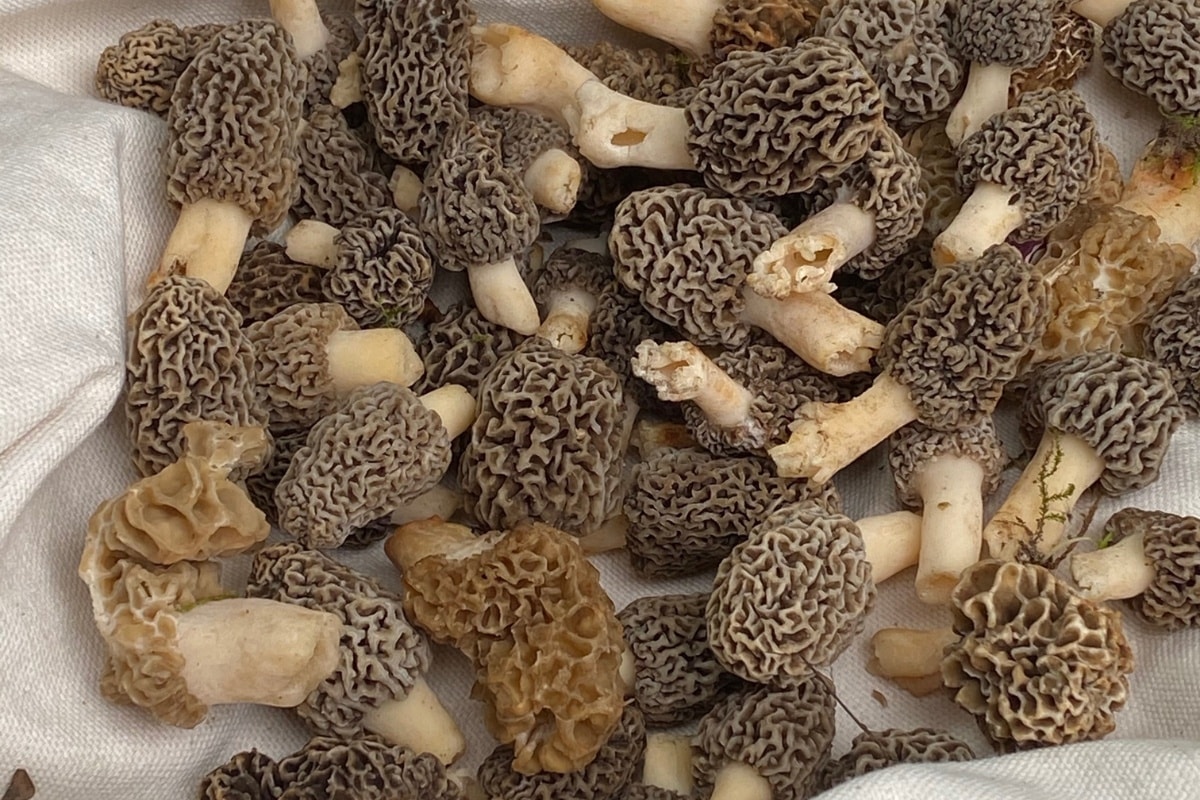
Morels won’t go extinct in eastern North America, rest assured. The morel species mentioned above have many tree partners and lots of ecological flexibility. Morels will keep fruiting under tulip tree, sycamore, cottonwood, cherry, apple, and other hardwoods.
The question isn’t necessarily whether morels will exist, but whether the abundance and predictability that defined eastern morel hunting for the last fifty years will remain the same. Most likely, the morels in danger won’t disappear, but will just be less common. The morel season will still happen, but not in the same form.
Dutch elm disease ran its course over roughly six decades. The Midwest morel boom that ran alongside it was tied to a one-time pulse of dying trees that’s now mostly past. The emerald ash borer is creating a similar pulse right now, but once that pulse is over, the long-term baseline of eastern morel abundance will likely settle to something lower than normal.
The geography of morel hunting will shift a lot once these trees are gone. The eastern morel hunter will need to focus on tulip trees, sycamores, and old apple trees as the primary hosts. There are morels in danger that associate with elms and ashes, but as a whole, there will still be morels fruiting in eastern North America.
The longer-term ecological question is whether morels can colonize whatever ash-killed forests turn into. The black ash swamps of northern Minnesota and Wisconsin are converting to grass, cattails, and shrubs as the ash dies, with no replacement canopy in many sites. The upland mixed-hardwood forests in the Midwest and mid-Atlantic will likely change to a tree canopy made up of oak, maple, and hickory to fill in for the lost ash. Whether morels associate with this successor canopy in productive numbers is a question that will take decades to answer. None of the five eastern morels listed above has a strong documented association with oak, sugar maple, or hickory.
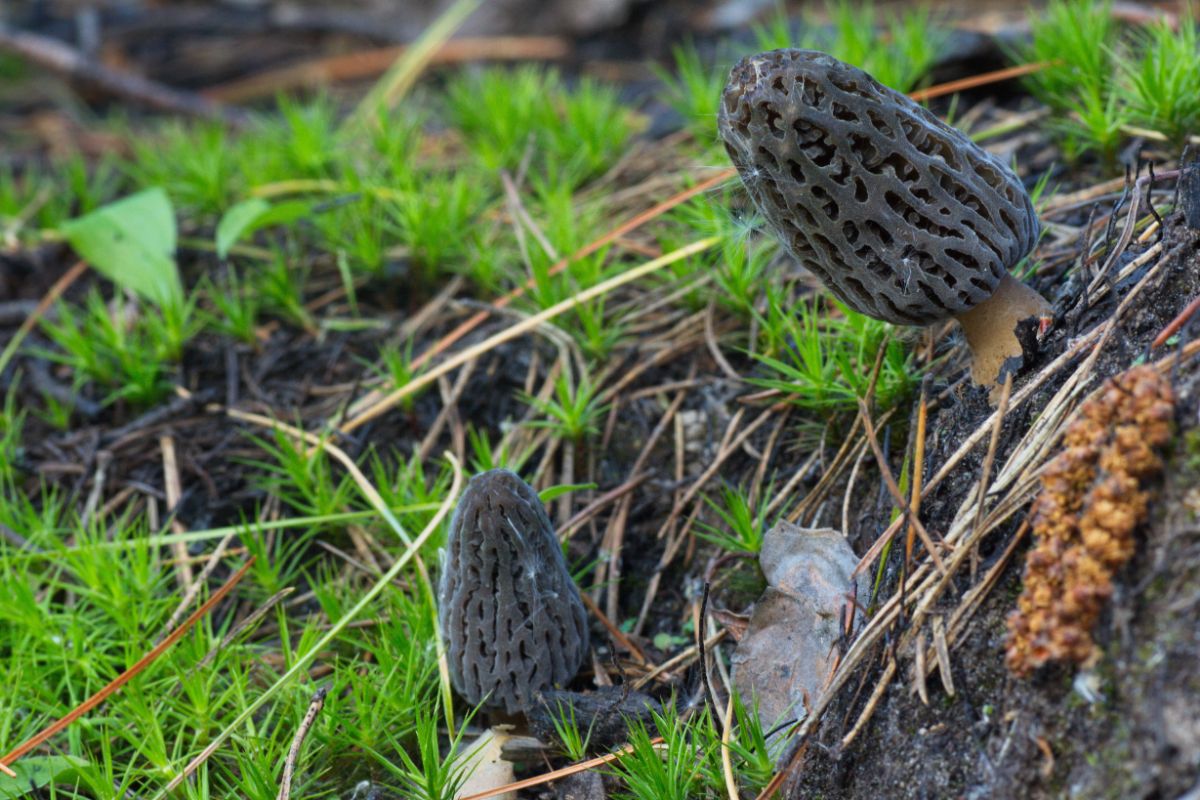
Western morel hunting won’t change much from any of this. In the west, there are no morels in danger on a large scale. The dominant western morels are different species, and the dominant western host relationships involve cottonwoods, conifers, and burn sites rather than elm or ash. The emerald ash borer will reach the West Coast eventually, but western ash is a smaller part of the ecosystem there, and the western morel community doesn’t depend on it.
The practical takeaway for an eastern forager is to make the most of the current ash window. The trees dying in eastern forests right now may create a morel boom. The window for the species across the eastern range is one to two decades, depending on how fast the ash borer finishes its work.
Sources:
- USDA APHIS. “Emerald Ash Borer.” https://www.aphis.usda.gov/plant-pests-diseases/eab. Last modified April 3, 2026.
- USDA Forest Service. Haack, R.A.; Baranchikov, Y.; Bauer, L.S.; Poland, T.M. “Emerald ash borer biology and invasion history.” 2015. https://research.fs.usda.gov/treesearch/49254.
- Klooster, Wendy S., Kamal J.K. Gandhi, Lawrence C. Long, Kayla I. Perry, Kevin B. Rice, and Daniel A. Herms. “Ecological Impacts of Emerald Ash Borer in Forests at the Epicenter of the Invasion in North America.” Forests 9, no. 5 (May 5, 2018). https://doi.org/10.3390/f9050250.
- Minnesota Department of Natural Resources. “Emerald ash borer (EAB).” https://www.dnr.state.mn.us/invasives/terrestrialanimals/eab/index.html.
- Illinois Extension, University of Illinois. “The impact of emerald ash borer.” May 4, 2021. https://extension.illinois.edu/blogs/good-growing/2021-05-04-impact-emerald-ash-borer.
- Cary Institute of Ecosystem Studies. “8 billion North American ash trees at risk from emerald ash borer.” https://www.caryinstitute.org/news-insights/feature/8-billion-north-american-ash-trees-risk-emerald-ash-borer.
- USDA National Invasive Species Information Center: Dutch Elm Disease. https://www.invasivespeciesinfo.gov/terrestrial/pathogens-and-diseases/dutch-elm-disease
- Marcotrigiano, M. 2017. Elms and Dutch elm disease: a quick overview. In: Pinchot, C.C.; Knight, K.S.; Haugen, L.M.; Flower, C.E.; Slavicek, J.M., eds. Proceedings of the American elm restoration workshop 2016; 2016 October 25-27; Lewis Center, OH. Gen. Tech. Rep. NRS-P-174. Newtown Square, PA: U.S. Department of Agriculture, Forest Service, Northern Research Station: 2-5. https://www.fs.usda.gov/nrs/pubs/gtr/gtr-nrs-p-174papers/01marcotrigiano-gtr-p-174.pdf


Leave a Reply